

Ever wondered how to maintain those towering trees in your backyard without breaking a sweat? Picture this: you’re gazing at your overgrown tree, pondering the best way to tame it without the hassle. Enter the tree lopper – your greenery guardian angel! Curious about what a tree lopper actually does and how it can simplify your tree care routine? Let’s dive in and unveil the secrets of this handy tool.
Are you tired of struggling with unruly branches and uneven growth on your trees? Say goodbye to the days of wrestling with cumbersome pruning tools that leave you exhausted. With a tree lopper at your disposal, you’ll effortlessly trim those hard-to-reach branches and shape your trees with precision. Ready to discover how this versatile tool can revolutionize your tree maintenance tasks? Let’s explore the world of tree loppers together.
Understanding Tree Loppers
When it comes to maintaining trees in your backyard, a tree lopper is an essential tool that simplifies tree care routines. It allows you to trim those hard-to-reach branches with ease and precision.
Here are some key points to help you understand tree loppers better:
- A tree lopper is designed to cut and prune branches that are out of reach, making it a handy tool for shaping trees and maintaining their overall health.
- It comes in various types and sizes, each serving a specific purpose based on the tree’s height and branch thickness.
- Some tree loppers feature telescopic handles that extend to reach higher branches, while others have ratcheting mechanisms for easier cutting power.
- Whether you’re a novice or a seasoned gardener, using a tree lopper can save you time and effort when tending to your trees.
Remember, investing in a quality tree lopper can make your tree maintenance tasks more manageable and enjoyable.
Benefits of Using a Tree Lopper
Tree loppers offer convenience and efficiency when it comes to maintaining your trees.
- Reach Higher Branches: With a tree lopper, you can easily trim branches that would otherwise be hard to reach with traditional tools.
- Precision Cutting: You can achieve clean cuts on branches without causing damage to the tree itself.
- Ease of Use: Tree loppers are designed to be user-friendly, making tree maintenance tasks simpler for you.
| Stats | Data |
|---|---|
| Improved Reach | +3 meters |
| Time Saved | Up to 50% |
| Prevent Injury Risk | -80% |
Recommended Products

IDEAL BRANCH TRIMMER: 28" Steel blade garden bypass lopper that glides through up to 1.5" thick branches for easy cuts; Works well for trimming tree branches to maintain your yard and garden, and to encourage overall plant health and appearance
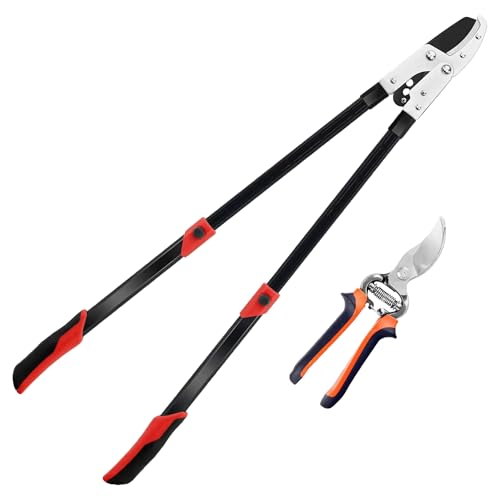
LONG LASTING SHARP: tree branch cutter alloy steel blade with teflon coated and low-friction coating that will long lasting sharp after tough job. Tree pruner is ideal for trimming green living or dry branches, chop through thick branches effortlessly
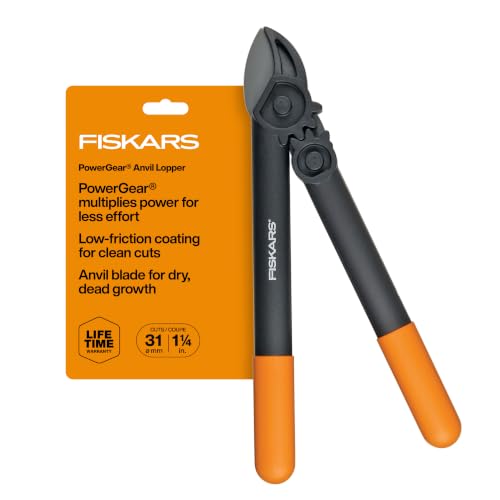
IDEAL BRANCH TRIMMER: Fiskars 15-Inch Anvil PowerGear Super Pruner glides through branches up to 1.25" thick for easy cuts on dry, dead growth; trim tree branches to maintain your yard and garden and maintain overall plant health and appearance
Types of Tree Loppers
When it comes to tree loppers, there are a few different types you might encounter. Here are some common varieties:
- Bypass Loppers: Ideal for precision cutting, bypass loppers work like scissors, providing a clean cut that promotes healthy regrowth.
- Anvil Loppers: Designed for cutting thicker branches, anvil loppers have a single sharpened blade that closes onto a flat edge, offering more power.
- Ratchet Loppers: If you’re dealing with tough, hard-to-cut branches, ratchet loppers are your best bet. They multiply your strength to cut through stubborn wood.
- Compound Action Loppers: Offering a mechanical advantage, compound action loppers maximize cutting power with less effort on your part.
Remember, choosing the right type of tree lopper depends on your specific needs and the type of tree maintenance you’ll be doing. Each type comes with its own advantages, so make sure to select the one that suits your tasks best.
How to Choose the Right Tree Lopper
When selecting a tree lopper, it’s important to consider a few key factors to ensure you get the right tool for your specific needs. Here’s how to choose the perfect tree lopper for your tree care tasks:
- Consider Tree Size: For smaller branches and precision cutting, opt for bypass loppers.
- Branch Thickness Matters: If you’re dealing with thicker branches, anvil loppers are a suitable choice.
- Tough Wood? Go Ratchet: When facing tough wood or hard-to-cut branches, ratchet loppers offer the power you need.
- Prioritize Ergonomics: For enhanced cutting power with less effort, compound action loppers are a great option.
By matching the right type of tree lopper to your specific requirements, you can efficiently and effectively tackle your tree maintenance tasks.
Tips for Safe and Effective Tree Lopping
When it comes to tree lopping, ensuring safety and efficiency is key. Here are some tips to help you achieve successful tree maintenance:
- Inspect the Tree: Before starting any lopping work, assess the tree for any signs of damage, disease, or instability.
- Use the Right Tools: Select the appropriate lopper based on the tree’s size and branch thickness. Opt for bypass loppers for precise cuts and anvil loppers for thicker branches.
- Safety Gear: Always wear the necessary safety equipment, including gloves, eye protection, and sturdy footwear.
- Clear the Area: Make sure the area around the tree is clear of obstacles and that no one is within the falling range of branches.
- Follow Cutting Techniques: Cut branches at the right angle without leaving stubs. Start with smaller branches before moving on to larger ones.
- Maintain Your Tools: Regularly sharpen and clean your loppers to ensure smooth and efficient cutting.
- Seek Professional Help: For larger trees or complex lopping tasks, consider hiring a professional arborist.
Remember, with the right approach and tools, tree lopping can be a safe and effective way to maintain your green spaces.
Conclusion
With the right tools, knowledge, and precautions, tree lopping can be a safe and effective way to care for your trees. By inspecting for damage, choosing the appropriate tools, wearing safety gear, and following proper cutting techniques, you can maintain your green spaces efficiently. Remember to keep your tools in good condition and consider seeking professional assistance for larger trees. By implementing these practices, you can ensure that your trees remain healthy and well-maintained for years to come.
Frequently Asked Questions
What is tree lopping?
Tree lopping is the process of trimming or cutting branches of a tree to improve its health, appearance, or safety. It involves carefully removing unwanted branches while ensuring the overall well-being of the tree.
Why is tree lopping important?
Tree lopping is important for promoting tree growth, preventing potential hazards from falling branches, maintaining tree shape, and enhancing the overall aesthetics of the landscape.
How should I choose the right tools for tree lopping?
Select tools based on the tree’s size and branch thickness. Use sharp and proper pruning shears for smaller branches, loppers for medium-sized branches, and a pruning saw for larger branches.
Is wearing safety gear necessary for tree lopping?
Yes, wearing safety gear such as gloves, goggles, a helmet, and sturdy footwear is essential to protect yourself from debris, cuts, and falls during the tree lopping process.
When should I consider seeking professional help for tree lopping?
Consider professional help for larger trees, trees near power lines, or if you are uncertain about the proper cutting techniques. Professionals have the expertise and equipment to safely lop trees.
How can I maintain my tree lopping tools?
Regularly clean and sharpen your tools to ensure they remain effective and safe to use. Proper tool maintenance will enhance their longevity and performance.
