

Growing persimmon trees in pots in Jacksonville, FL is a viable option for gardeners seeking to enjoy this subtropical fruit. Proper potting techniques and care ensure healthy growth and fruit production, even in limited spaces.
Choose the Right Pot for Persimmons
Selecting the appropriate pot for persimmon trees is crucial for their growth and health, especially in Jacksonville’s subtropical climate. The right pot not only supports root development but also ensures adequate drainage and moisture retention, which are essential for thriving trees. Understanding these factors will help you create an optimal environment for your potted persimmons.
Selecting an appropriate pot is crucial for the health of your persimmon tree. A pot with good drainage will prevent root rot and promote healthy growth. Consider the following factors when choosing a pot:
Size: A minimum of 15-20 gallons is ideal for a mature tree.
Material: Clay or ceramic pots are preferable for their breathability.
Drainage: Ensure there are multiple drainage holes at the bottom.
| Pot Material | Benefits | Drawbacks |
|---|---|---|
| Clay | Breathable, aesthetically pleasing | Heavy, can crack |
| Plastic | Lightweight, affordable | Retains heat, less breathable |
| Ceramic | Attractive, good insulation | Heavy, expensive |
Soil Mix Essentials for Potted Persimmons
When growing persimmon trees in pots in Jacksonville, FL, selecting the right soil mix is crucial for their health and productivity. The subtropical climate demands a blend that ensures proper drainage while retaining moisture, allowing these trees to thrive. Understanding the essential components of an ideal soil mix will help you cultivate vibrant and fruitful persimmons in your garden.
The right soil mix is essential for persimmon trees in pots. A well-draining, nutrient-rich soil will support healthy root development. Use a combination of the following:
Potting mix: Provides a base with nutrients.
Perlite: Enhances drainage and aeration.
Compost: Adds organic matter for nutrients.
Mix these components in a 2:1:1 ratio for optimal results. Regularly check soil moisture to avoid overwatering.
Watering Guidelines for Potted Persimmons
Proper watering is crucial for the health and productivity of potted persimmon trees, especially in Jacksonville’s subtropical climate. Understanding the specific needs of these trees will help ensure they thrive in containers, providing delicious fruit while adapting to the unique challenges of pot cultivation in the region. Here are essential watering guidelines to keep your persimmons flourishing.
Proper watering is vital for persimmon trees in pots. Container plants dry out faster than those in the ground. Follow these guidelines:
Water deeply when the top inch of soil feels dry.
Avoid letting the pot sit in standing water.
Use a moisture meter for accurate readings.
Overwatering can lead to root rot. Always ensure that excess water drains out of the pot.
Fertilization Strategies for Potted Persimmons
Proper fertilization is essential for the health and productivity of potted persimmon trees, especially in Jacksonville’s subtropical climate. Understanding the specific nutrient needs and timing can significantly enhance growth and fruit quality. This section explores effective fertilization strategies tailored for persimmons grown in containers, ensuring optimal results for gardeners in the region.
Fertilization is necessary to support the growth of persimmon trees in pots. A balanced fertilizer will provide essential nutrients. Consider these tips:
Use a slow-release fertilizer in early spring.
Apply a liquid fertilizer every 4-6 weeks during the growing season.
Monitor for signs of nutrient deficiency, such as yellowing leaves.
Recommended Products

Package contains 4 Pounds organic fruit and citrus fertilizer grains and is produced to avoid wasteful runoff, mess, hazards and smells
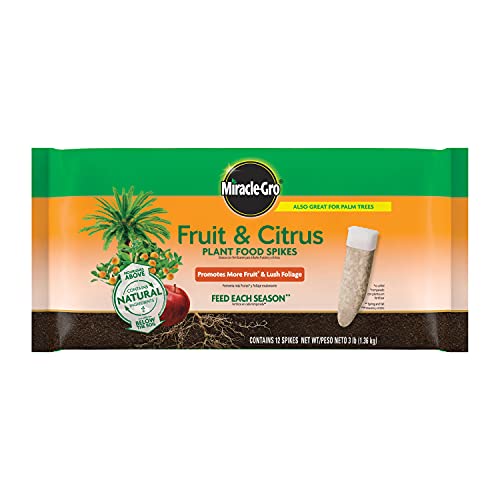
FORMULATED FOR CITRUS AND FRUIT TREES: Use these citrus fertilizer spikes on apple, orange, lemon, lime, and avocado trees; this formula is also great for feeding palm trees

Package contains 15 fruit and citrus fertilizer spikes and is produced to avoid wasteful runoff, mess, hazards and smells
Nutrient Deficiencies in Potted Persimmons
Potted persimmon trees in Jacksonville, Florida, can thrive in the subtropical climate, but they may face challenges related to nutrient deficiencies. Understanding the specific nutrients these trees require is crucial for maintaining their health and ensuring a fruitful harvest. This section explores common deficiencies and how to address them effectively.
| Nutrient | Symptoms | Solution |
|---|---|---|
| Nitrogen | Yellowing leaves | Apply nitrogen-rich fertilizer |
| Phosphorus | Poor fruit set | Use a phosphorus supplement |
| Potassium | Leaf scorch | Fertilize with a potassium source |
Pruning Strategies for Potted Persimmon Trees
Pruning is essential for maintaining the health and productivity of potted persimmon trees, especially in Jacksonville’s subtropical climate. Proper techniques not only promote better air circulation and sunlight penetration but also encourage robust fruit production. Understanding the right timing and methods for pruning can significantly enhance the growth and vitality of your potted persimmon tree.
Regular pruning helps maintain the shape and health of persimmon trees in pots. It encourages better air circulation and sunlight penetration. Follow these steps:
Prune in late winter or early spring before new growth begins.
Remove dead or damaged branches.
Thin out crowded areas to promote airflow.
Be cautious not to over-prune, as this can stress the tree.
Pest Control Strategies for Potted Persimmons
Potted persimmon trees can thrive in Jacksonville’s subtropical climate, but they are not immune to pests. Effective pest control strategies are essential to ensure the health and productivity of these trees. Understanding common pests and implementing preventive measures will help maintain vibrant and fruitful persimmons in your garden.
Pests and diseases can affect the health of persimmon trees in pots. Regular monitoring is essential to catch issues early. Common pests include:
Aphids: Small, green insects that suck sap.
Spider mites: Tiny pests that cause webbing and leaf discoloration.
For disease management, look out for:
Powdery mildew: A fungal disease that appears as white spots.
Root rot: Caused by overwatering and poor drainage.
Use organic pesticides and fungicides as needed. Always follow application instructions carefully.
Recommended Products

KILLS LISTED FRUIT & CITRUS TREE INSECTS: Controls Asian Citrus Psyllid, Whiteflies, Aphids Thrips, Citrus Leafminers, Leafhoppers, Blackfly, Mealybugs, Scales, Avocado Lacebugs, Oriental Beetles, Flea Beetles, Sharpshooters, and Spittlebugs
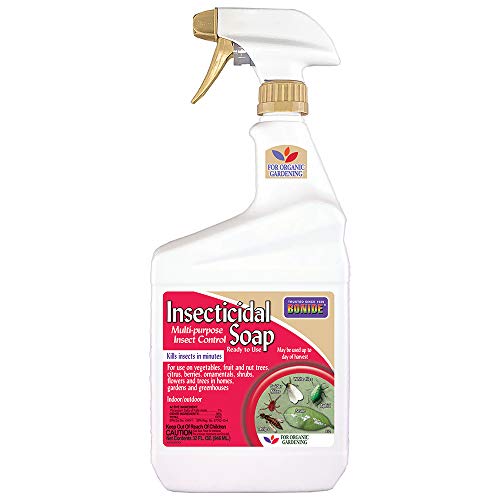
Captain Jack's Insecticidal Super Soap controls species of adelgid, ant, aphid, borer, caterpillar, spider mite, cricket, chinch bug, weevil, fly, thrip, and more

Control diseases and insects in your garden with Captain Jack’s Fruit Tree Spray Concentrate! Use on a variety of listed fruits, nuts and citrus plants.
Potted Persimmon Seasonal Care Guide
Caring for potted persimmon trees in Jacksonville’s subtropical climate requires attention to seasonal changes that affect growth and fruit production. This guide provides essential tips for managing watering, fertilization, and protection from pests throughout the year, ensuring your tree thrives in its container. Understanding these seasonal needs will help you enjoy a fruitful harvest from your potted persimmon.
Seasonal care is essential for maintaining healthy persimmon trees in pots. Adjust your care routine based on the time of year. Key considerations include:
Spring: Fertilize and prune as needed.
Summer: Monitor water levels closely and provide shade during extreme heat.
Fall: Prepare for dormancy by reducing watering and fertilization.
Winter: Protect pots from freezing temperatures by moving them to sheltered areas.
Ensure pots are insulated in winter to prevent root damage.
Successful Potting Techniques for Persimmon Trees
Successfully potting persimmon trees requires careful attention to their unique needs, especially in Jacksonville’s subtropical climate. Understanding the right soil composition, pot size, and watering techniques can significantly enhance growth and fruit production. This section explores effective strategies to ensure your potted persimmon trees thrive throughout the seasons.
Growing persimmon trees in pots requires attention to detail in pot selection, soil composition, watering, fertilization, and pest management. Following these guidelines will help you cultivate healthy trees that produce delicious fruit.
