
Close Menu
    Fruit Tree Hub
    • Home
    • Apple Trees
    • Lemon Trees
    • Mango Trees
    • Orange Trees
    • More Trees
      • Best Fruit Trees
      • Apricot Trees
      • Cherry Trees
      • Fig Trees
      • Lime Trees
      • Mulberry Trees
      • Peach Trees
      • Pear Trees
      • Plum Trees
      • Pomegranate Trees
    • Tips and Advice
      • Tools
    • About Us
      • Contact
      • Privacy Policy
    Fruit Tree Hub
    Home»Planting»Can Quince Trees Grow in New Hampshire? Regional Guide
    Planting

    Can Quince Trees Grow in New Hampshire? Regional Guide

    Lucy SmithBy Lucy SmithApril 13, 20266 Mins Read
    Share Facebook Twitter Pinterest WhatsApp Email
    Share
    Facebook Twitter LinkedIn Pinterest Telegram Email

    Quince trees can grow in New Hampshire, but they require specific conditions to thrive. Proper site selection, soil preparation, and winter protection are essential for successful cultivation in this region.

    Contents show
    1 Quince Tree Varieties for New Hampshire
    2 New Hampshire Climate Effects on Quince Growth
    3 Soil Preparation for Healthy Quince Trees
    4 Optimal Timing for Planting Quince Trees
    5 Winter Care for Quince Trees in New Hampshire
    6 Pest and Disease Management for Quince Trees
    7 Optimal Timing for Quince Harvest
    8 Culinary Uses for New Hampshire Quince

    Quince Tree Varieties for New Hampshire

    When considering quince trees for cultivation in New Hampshire, it’s essential to explore the varieties that thrive in the region’s unique climate. Different quince types offer distinct characteristics, making some better suited for local conditions than others. This section will delve into the most suitable quince tree varieties for New Hampshire gardeners.

    Quince trees come in several varieties, each with unique characteristics. The most common types are the Common Quince, Pineapple Quince, and Japanese Quince. Understanding these varieties helps in selecting the best fit for New Hampshire’s climate.

    • Common Quince: This variety produces large, aromatic fruit and is best for cooking.

    • Pineapple Quince: Known for its sweet flavor, this type is excellent for fresh eating.

    • Japanese Quince: This variety is more shrub-like and is often grown for ornamental purposes.

    New Hampshire Climate Effects on Quince Growth

    New Hampshire’s climate presents unique challenges and opportunities for growing quince trees. Understanding the region’s temperature fluctuations, precipitation patterns, and seasonal variations is essential for successful cultivation. This section explores how these climatic factors influence the growth and productivity of quince trees in New Hampshire.

    MUST READ
    Can Pomegranate Trees Grow in a Pot in Louisiana? Humidity Guide

    New Hampshire’s climate features cold winters and warm summers, which can impact quince tree growth. Quince trees prefer a temperate climate with well-drained soil.

    • Temperature: Quince trees can tolerate temperatures down to 10°F, making them suitable for most of New Hampshire.

    • Sunlight: Full sun exposure is crucial for optimal fruit production.

    • Rainfall: Moderate rainfall is ideal; however, excessive moisture can lead to root rot.

    Climate FactorIdeal Conditions
    Temperature10°F to 100°F
    SunlightFull sun
    RainfallModerate

    Soil Preparation for Healthy Quince Trees

    Preparing the soil is crucial for the successful growth of quince trees in New Hampshire’s unique climate. Understanding the specific soil requirements and amendments needed will help ensure that these trees thrive, producing healthy fruit. This section outlines the essential steps for optimizing soil conditions to support robust quince tree development.

    Soil preparation is critical for healthy quince trees. They thrive in well-drained, loamy soil with a pH between 6.0 and 7.0.

    • Test Soil: Use a soil test kit to determine pH and nutrient levels.

    • Amend Soil: Add organic matter such as compost to improve drainage and fertility.

    • Tillage: Turn the soil to a depth of at least 12 inches to aerate and mix amendments.

    Recommended Products
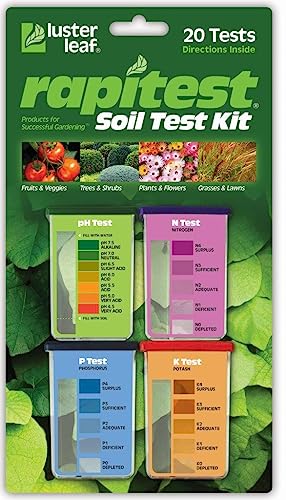
    Rapitest Soil Test Kit for Gardens, Vegetables, Flowers and Lawns. USA designed and assembled soil tester completely, quickly and accurately measures/analyzes soil pH acidity and garden nutrients.
    Rapitest Soil Test Kit for Gardens, Vegetables, Flowers and Lawns. USA designed and assembled soil tester completely, quickly and accurately measures/analyzes soil pH acidity and garden nutrients.

    Quick, at home results for Soil pH, Nitrogen, Phosphorous and Potash Innovative and inexpensive soil test kit features an easy-to-use capsule system and patented color comparators

    MUST READ
    Fruit Trees for Wyoming: High-Altitude Success and Wind Protection
    VIEW LATEST PRICE

    As an affiliate, we earn on qualifying purchases.

    SONKIR Soil pH Meter, MS02 3-in-1 Soil Moisture/Light/pH Tester Gardening Tool Kits for Plant Care, Great for Garden, Lawn, Farm, Indoor & Outdoor Use (Green)
    SONKIR Soil pH Meter, MS02 3-in-1 Soil Moisture/Light/pH Tester Gardening Tool Kits for Plant Care, Great for Garden, Lawn, Farm, Indoor & Outdoor Use (Green)

    Kindly NOTE: This soil tester can not be applied to test pH value of any other liquid. If the soil is too dry the indicator will not move, and water it before testing.

    VIEW LATEST PRICE

    As an affiliate, we earn on qualifying purchases.

    Soil pH Paper Test Kit – 100 Tester Strips (3.5-9 Range) – Use for Testing Garden Home Lawn Grass Vegetable Gardening Dirt Yard Compost Outdoor and Indoor Plants
    Soil pH Paper Test Kit – 100 Tester Strips (3.5-9 Range) – Use for Testing Garden Home Lawn Grass Vegetable Gardening Dirt Yard Compost Outdoor and Indoor Plants

    Accurate Soil pH Testing: Dewildetradingco Soil pH Test Strips offer measurements of soil pH levels (pH 3.5-9). As an essential tool for every gardener and grower, these test strips help determine the optimal pH for various plants, such as outdoor plants, indoor plants, gardens, grass lawns, fruit trees, flowers, vegetables, and forest shrubs.

    VIEW LATEST PRICE

    As an affiliate, we earn on qualifying purchases.

    Optimal Timing for Planting Quince Trees

    Understanding the best timing for planting quince trees is crucial for their successful growth in New Hampshire’s climate. This section outlines the ideal seasons and conditions that promote healthy development, ensuring that your quince trees thrive in the region’s unique environment. Proper timing can make a significant difference in fruit yield and overall tree vitality.

    Timing and technique are essential when planting quince trees. The best time to plant is in early spring after the last frost.

    • Select Location: Choose a site with full sun and good air circulation.

    • Dig Hole: Create a hole twice the width of the root ball and the same depth.

    • Position Tree: Place the tree in the hole, ensuring the graft union is above soil level.

    • Backfill and Water: Fill the hole with soil and water thoroughly to eliminate air pockets.

    MUST READ
    Top Fruit Trees for New York: Expert Tips for a Large Harvest

    Winter Care for Quince Trees in New Hampshire

    Winter care is crucial for quince trees in New Hampshire, where harsh conditions can pose significant challenges. Proper protection and maintenance during the colder months can ensure these trees thrive in the spring. Understanding the specific needs of quince trees in this region will help gardeners successfully cultivate them despite the winter chill.

    Winter protection is necessary to ensure quince trees survive the harsh New Hampshire winters.

    • Mulch: Apply a thick layer of mulch around the base to insulate roots.

    • Wrap Trunks: Use tree wrap to protect young trunks from frost damage.

    • Windbreaks: Consider planting windbreaks to shield trees from harsh winds.

    Recommended Products

    MAQIHAN 13 PCS Tree Ring Mulch Mat - Root Barrier Tree Protectors Weed Mat for Garden Fabric Weed Barrier Ring Tree Rings Landscaping Non Woven Black Mulch for Garden 12.6inch Landscape Decor
    MAQIHAN 13 PCS Tree Ring Mulch Mat - Root Barrier Tree Protectors Weed Mat for Garden Fabric Weed Barrier Ring Tree Rings Landscaping Non Woven Black Mulch for Garden 12.6inch Landscape Decor

    High-Quality Non-Woven Fabric: Crafted from top-tier felt, these tree ring mulch mat offer long-lasting performance, ensuring optimal care for your trees.Before purchasing, please be aware of the hardness of this type of non-woven felt mat, which is different from the wooden tree ring

    VIEW LATEST PRICE

    As an affiliate, we earn on qualifying purchases.

    ZeeDix 6 Pack Coconut Fiber Mulch Ring, 24 Inch Coco Coir Tree Ring Mulch Mat, 100% Natural Tree Protector Mat Plant Cover Ring Coconut Coir Discs Tree Mats Mulch Rings for Indoor Outdoor Trees Plants
    ZeeDix 6 Pack Coconut Fiber Mulch Ring, 24 Inch Coco Coir Tree Ring Mulch Mat, 100% Natural Tree Protector Mat Plant Cover Ring Coconut Coir Discs Tree Mats Mulch Rings for Indoor Outdoor Trees Plants

    Mulch Ring Tree Mat: You will get 6 pcs tree mulch ring, which are enough for your daily needs, you can use the tree ring to keep weeds from growing; cover them on the roots of plants to look beautiful and tidy

    MUST READ
    Avocado Trees in Anchorage, AK: Cold-Climate Growth Solutions
    VIEW LATEST PRICE

    As an affiliate, we earn on qualifying purchases.

    florelf 4pcs Plant Covers Freeze Protection,23.6x31.49 Small Cold Weather Frost Cloth Plant Freeze Protection, Frost Blankets for Winter Outdoor Plants Tree Shrub Bush, with Drawstring
    florelf 4pcs Plant Covers Freeze Protection,23.6x31.49 Small Cold Weather Frost Cloth Plant Freeze Protection, Frost Blankets for Winter Outdoor Plants Tree Shrub Bush, with Drawstring

    Keep your plants safe with these green reusable winter plant covers, offering freeze protection for delicate foliage during cold months. Perfect as frost blankets for outdoor plants or tree covers for winter.

    VIEW LATEST PRICE

    As an affiliate, we earn on qualifying purchases.

    Pest and Disease Management for Quince Trees

    Managing pests and diseases is crucial for the health and productivity of quince trees, especially in the unique climate of New Hampshire. Understanding the common threats these trees face and implementing effective control measures will help ensure a thriving quince orchard. This section will provide essential strategies and insights tailored to local conditions.

    Quince trees can be susceptible to pests and diseases, which can hinder growth. Regular monitoring and management are essential.

    • Common Pests: Look out for aphids, spider mites, and fruit flies.

    • Diseases: Fungal infections like fire blight can occur; proper pruning and sanitation help prevent outbreaks.

    • Control Measures: Use organic pesticides and maintain good garden hygiene.

    Pest/DiseaseSymptomsControl Measures
    AphidsLeaf curlingInsecticidal soap
    Fire BlightWilting branchesPrune infected areas
    Spider MitesWebbing on leavesNeem oil

    Optimal Timing for Quince Harvest

    Understanding the optimal timing for quince harvest is crucial for maximizing fruit quality and flavor. In New Hampshire’s unique climate, knowing when to pick your quinces can make a significant difference in their taste and texture. This section will provide insights into the best practices for harvesting quince trees in the region.

    MUST READ
    Can Jujube Trees Grow in Long Beach, CA? Coastal Salt Tips

    Harvesting quince fruit at the correct time ensures the best flavor and quality. Quince is typically ready for harvest in late fall.

    • Color Check: Look for a golden-yellow color.

    • Firmness: The fruit should be firm but slightly soft to the touch.

    • Aroma: A strong fragrance indicates ripeness.

    Culinary Uses for New Hampshire Quince

    Quince trees, though not as commonly grown in New Hampshire, can produce fruit that offers unique culinary opportunities. The tart flavor and aromatic qualities of quince make it a versatile ingredient in various dishes, from jams and jellies to savory meals. Exploring these culinary uses can enhance local cuisine and highlight the potential of this often-overlooked fruit.

    Quince is versatile in the kitchen, offering various culinary uses. It can be used in both sweet and savory dishes.

    • Cooking: Quince can be poached, baked, or made into jams and jellies.

    • Preserving: Its high pectin content makes it ideal for preserves and sauces.

    Quince trees can indeed thrive in New Hampshire with the right care and attention. Proper site selection, soil preparation, and winter protection are essential for successful cultivation.

    Share. Facebook Twitter Pinterest LinkedIn Tumblr Email
    lucy smith
    Lucy Smith
    • Website

    Lucy Smith is a highly experienced horticulturist with a passion for fruit tree cultivation. She holds a degree in Horticulture from the University of California, Davis, and has worked in various roles in the industry. With over 10 years of experience, Lucy is dedicated to using eco-friendly methods for sustainable gardening practices.

    Related Posts

    Jujube Trees in Michigan (Great Lakes Success Manual)

    June 6, 2026

    Olive Trees in a Pot in Delaware (Regional Small Space Advice)

    June 6, 2026

    Can Tangerine Trees Grow in a Pot in Louisiana? Humidity Guide

    June 6, 2026

    Olive Trees in a Pot in Pennsylvania (Keystone State Growing)

    June 6, 2026

    Growing Walnut Trees in Hawaii (Pro Advice for Homeowners)

    June 6, 2026

    Mulberry Trees in Tennessee: Volunteer State Planting Secrets

    June 6, 2026
    Leave A Reply Cancel Reply

    Affiliate Disclosure

    As an Amazon Associate I earn from qualifying purchases.

    Recommended Reading

    Growing Almond Trees in Aurora, CO: High Plains Frost Care

    Demystifying Ratchet Pruners: Tips for Efficient Use and Maintenance

    What to Plant Fruit Trees In: Tips for Healthy Growth and Optimal Soil Conditions

    When Do You Prune Fruit Trees in California for Healthier Growth and Bigger Harvests

    How to Prune Blackberries for a Bountiful Harvest: Essential Guide and Tips

    Can apricot trees grow in michigan?

    When Do U Prune Fruit Trees to Maximize Growth and Fruit Production in Your Garden

    How to Prune Papaya Trees Effectively

    How to Grow Fruit Trees at Home: Essential Tips for a Thriving Backyard Orchard

    How to Successfully Transplant Raspberries in Your Garden

    Fruit Tree Hub

    Fruit Tree Hub is a website dedicated to providing you everything you need to grow fruit trees successfully at in your own yard.

    Contact us at: [email protected]

    - AFFILIATE DISCLOSURE: As an Amazon Associate I earn from qualifying purchases.

    Latest Posts

    Jujube Trees in Michigan (Great Lakes Success Manual)

    Olive Trees in a Pot in Delaware (Regional Small Space Advice)

    Can Tangerine Trees Grow in a Pot in Louisiana? Humidity Guide

    Olive Trees in a Pot in Pennsylvania (Keystone State Growing)

    Growing Walnut Trees in Hawaii (Pro Advice for Homeowners)

    Mulberry Trees in Tennessee: Volunteer State Planting Secrets

    Peach Trees in Maryland (Mid-Atlantic Planting and Care)

    Plum Trees in New York City, NY: Urban Backyard Tips

    Categories
    • Almond Trees
    • Apple Trees
    • Apricot Trees
    • Best Fruit Trees
    • Blackberry
    • Cantaloupe
    • Cherry Trees
    • Crochet Ideas
    • Crochet Ideas for Beginners
    • Cucamelon
    • Easy Crochet Ideas
    • Easy Knitting Projects
    • Fig Trees
    • Grapefruit Trees
    • Grapes
    • Guava Trees
    • Honeydew
    • Jujube Trees
    • Kiwi
    • Knitting For Beginners
    • Knitting Ideas
    • Knitting Inspiration
    • Lemon Trees
    • Lime Trees
    • Loquat Trees
    • Mango Trees
    • Mulberry Trees
    • Nectarine Trees
    • Olive Trees
    • Orange Trees
    • Papaya Trees
    • Peach Trees
    • Pear Trees
    • Persimmon Trees
    • Planting
    • Plum Trees
    • Pomegranate Trees
    • Quince Trees
    • Raspberry
    • Reviews
    • Small Crochet Ideas
    • Star Fruit Trees
    • Summer Crochet Ideas
    • Tamarind Trees
    • Tangerine Trees
    • Tips and Advice
    • Tools
    • Uncategorized
    • Walnut Trees
    © 2026 Fruit Tree Hub
    • Home
    • About Us
    • Contact
    • Privacy Policy
    • Terms and Conditions
    • Disclaimer
    • Editorial Policy
    • Affiliate Disclosure

    Type above and press Enter to search. Press Esc to cancel.