

Have you noticed little critters munching on your fruit trees? You’re not alone. Many gardeners face the frustrating challenge of pests invading their beloved trees, threatening the harvest and overall health of the plants.
Key Takeaways
- Identify Common Pests: Familiarize yourself with pests like aphids, spider mites, and fruit flies, and be aware of their life cycles for effective management.
- Employ Treatment Methods: Utilize both organic (neem oil, insecticidal soap) and chemical treatments (pyrethroids, systemic insecticides) based on pest severity and type.
- Practice Preventive Measures: Regular inspections, proper pruning, and companion planting are essential to prevent pest infestations and promote tree health.
- Maintain Soil Health: Ensure nutrient-rich, well-aerated soil with optimal pH levels to boost the resilience of your fruit trees against pests.
- Implement Regular Monitoring: Consistently check your trees for signs of pest activity and adapt care practices seasonally to maintain tree vitality and increase harvest yield.
Understanding Common Fruit Tree Pests
Fruit trees often attract various pests that can damage your trees and spoil your harvest. Recognizing these pests and understanding their life cycles helps in effective treatment.
Identifying Common Bugs
Identify common bugs that pose threats to your fruit trees. Here are several pests to look for:
- Aphids: Small, soft-bodied insects that cluster on young shoots and leaves. They secrete a sticky substance called honeydew, which can attract ants and promote sooty mold.
- Spider Mites: Tiny arachnids that cause stippling and yellowing of leaves. They often produce webs on leaves and branches during dry conditions.
- Fruit Flies: Small flies that lay eggs in overripe or damaged fruit. The larvae feed inside the fruit, leading to rot and unrecoverable crops.
- Caterpillars: Larvae of moths or butterflies that munch on leaves and blossoms. Look for frass (caterpillar droppings) near damaged areas.
- Scale Insects: Small, immobile pests that suck sap from branches and leaves. They create a waxy coating that can be mistaken for bark.
Life Cycle of Fruit Tree Pests
Understanding the life cycle of these pests guides effective management. Common life cycles include:
- Egg Stage: Many pests begin as eggs laid on or near fruit trees. For instance, fruit flies deposit their eggs on ripening fruit, while aphids reproduce through live birth.
- Larval Stage: The larvae stage, where insects feed on foliage or fruit, often causes the most visible damage. Caterpillars (larvae) can severely harm your crops.
- Pupal Stage: Some pests enter a pupal stage, like caterpillars that transform into moths. Understanding this stage helps determine the right timing for interventions.
- Adult Stage: Adults mate and reproduce, leading to new generations. Knowing the adult’s presence, such as the appearance of flying insects, signals it’s time to take action.
Monitoring your fruit trees for these pests at each stage ensures proactive management. Identifying and addressing them early can protect your trees and maximize your harvest.
Treatment Methods for Bug Infestations
Treating bug infestations on fruit trees involves both organic and chemical methods. Understanding these options helps you protect your trees effectively.
Recommended Products

READY-TO-USE CONTACT SPRAY: No mixing required. Thoroughly spray insecticide on all plant parts, including the underside of leaves. Pests must be sprayed directly to achieve control

PEST DEFENSE - Insecticidal Super Soap controls species of adelgid, ant, aphid, borer, caterpillar, spider mite, cricket, chinch bug, weevil, fly, thrip, & more.
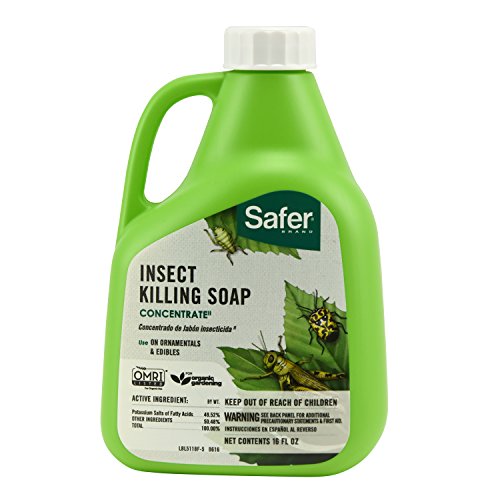
GENTLE ON MOST PLANTS - This aphid spray is ideal for use on flowers, herbs, vegetables, houseplants, lawn, tree, shrubs, and more
Organic Treatment Options
- Neem Oil: Use neem oil to disrupt the life cycle of various pests. Mix 2 tablespoons of neem oil with 1 gallon of water and spray on affected areas every two weeks.
- Insecticidal Soap: Apply insecticidal soap directly on pests like aphids and spider mites. Ensure thorough coverage on both sides of leaves.
- Diatomaceous Earth: Sprinkle diatomaceous earth around the base of trees. This powder’s sharp edges damage the exoskeletons of crawling insects, leading to dehydration.
- Beneficial Insects: Introduce ladybugs and lacewings to your garden. These beneficial insects feed on harmful pests, helping to maintain a balanced ecosystem.
- Pyrethroids: Choose synthetic pyrethroids for severe infestations. These insecticides target a wide range of pests. Follow label instructions for application rates and timing.
- Chlorpyrifos: Use chlorpyrifos sparingly, as it affects many insect types. Apply during early infestations to minimize impact on beneficial insects.
- Insect Growth Regulators (IGRs): Opt for IGRs to prevent insects from maturing and reproducing. These target the developmental stages of pests, reducing their population over time.
- Systemic Insecticides: Apply systemic insecticides for long-lasting protection. These are absorbed by the tree and disrupt pest feeding when they consume plant tissue.
Employ these treatment methods based on the pest type and the severity of the infestation. Monitor your fruit trees regularly for signs of pests, and choose treatments accordingly.
Preventive Measures for Healthy Fruit Trees
Preventing pest infestations on fruit trees requires a proactive approach. By implementing best practices and maintaining soil health, you can establish a robust defense against unwanted bugs.
Best Practices for Pest Prevention
- Regular Inspection: Check your trees weekly for signs of pests. Look for discolored leaves, webbing, or visible bugs on stems and fruits. Early detection allows for faster intervention.
- Pruning: Trim dead or infested branches to improve air circulation and light penetration. This practice helps reduce pest habitats and encourages healthy growth.
- Companion Planting: Plant beneficial plants near your fruit trees. Marigolds deter nematodes and attract beneficial insects. Herbs like basil and mint can repel pests while enhancing your garden’s aroma.
- Mulching: Use organic mulch around the base of your trees. Mulch retains moisture, suppresses weeds, and provides a habitat for beneficial organisms that prey on harmful pests.
- Water Management: Water deeply but infrequently. Overwatering can lead to root rot, making trees more vulnerable to pests. Ensure good drainage in your soil to promote healthy roots.
- Insect Barriers: Cover your trees with floating row covers or nets. These barriers prevent pests from reaching your fruits while still allowing sunlight and moisture in.
Importance of Soil Health
Soil health significantly influences the vitality of your fruit trees. Fertile, well-aerated soil supports root systems and deters pests.
- Nutrient-rich Soil: Test your soil annually for nutrient levels. Amend with organic matter, compost, or fertilizers to enhance its nutrient profile and promote strong growth.
- pH Levels: Maintain an optimal soil pH between 6.0 and 7.0 for most fruit trees. Test the soil and adjust with lime or sulfur as necessary to keep pH balanced.
- Beneficial Microorganisms: Encourage microorganisms like mycorrhizae and bacteria in your soil. These microorganisms help absorb nutrients and enhance tree resilience against pests.
- Crop Rotation: Rotate different plant families in your garden each season. This practice disrupts pest life cycles and reduces the likelihood of infestations.
- Minimal Tilling: Limit soil disturbance to protect root systems and preserve beneficial organisms. Frequent tilling can lead to erosion and nutrient loss.
Implementing these preventive measures helps maintain healthy fruit trees and minimizes pest risks. Prioritizing regular care and soil health fosters a thriving environment for your trees.
Monitoring and Maintenance
Regular monitoring and maintenance of fruit trees ensure their health and protection against pests. Catching infestations early leads to more effective treatments and a better harvest.
Regular Inspection Techniques
Inspect your fruit trees at least once a week, looking for signs of pests or damage. Focus on the following techniques:
- Visual Checks: Look closely at leaves, fruits, and bark for abnormalities. Discoloration, holes, and sticky residue indicate potential pest activity.
- Touch Tests: Gently rub the leaves to check for sticky sap, which suggests aphid or other sap-sucking insect presence.
- Traps: Set sticky traps near affected areas to catch flying pests like fruit flies. These traps provide visual confirmation of active pests.
- Looking for Eggs: Examine the undersides of leaves for tiny eggs, particularly from moths and beetles. Removing them early stops caterpillars from hatching and damaging your trees.
Seasonal Maintenance Tips
Adapting your maintenance practices to seasonal changes enhances fruit tree health. Follow these seasonal tips:
- Spring: Apply preventative treatments like neem oil or insecticidal soap to control emerging pests. Prune trees to improve airflow and reduce the risk of fungal infections.
- Summer: Monitor trees closely for signs of infestations. Adjust irrigation according to weather and soil moisture to keep trees healthy and resilient.
- Fall: Clear fallen leaves and any debris around trees to minimize overwintering pests. Remove and destroy any affected fruit to reduce future infestations.
- Winter: Inspect trees during the dormant season. Look for signs of damage or disease, and consider wrapping tree trunks with burlap to protect against damage from frost and animals.
By consistently monitoring and maintaining your fruit trees throughout the year, you’ll build strong plants that resist pests and thrive.
Conclusion
Taking care of your fruit trees doesn’t have to be a daunting task. By staying vigilant and understanding the pests that can invade your garden you’ll be better equipped to protect your trees. Remember to choose the right treatment methods based on the specific pests and their severity.
Incorporating preventive measures will go a long way in maintaining the health of your trees. Regular monitoring and seasonal maintenance can help you catch issues early and keep your trees thriving. With a little effort and attention you can enjoy a bountiful harvest and keep your fruit trees healthy for years to come. Happy gardening!
Frequently Asked Questions
What pests commonly affect fruit trees?
Common pests that target fruit trees include aphids, spider mites, fruit flies, caterpillars, and scale insects. Each of these pests can cause significant damage if not managed effectively.
How can I identify the life cycle stages of tree pests?
Tree pests typically go through four life cycle stages: egg, larval, pupal, and adult. Monitoring for these stages is crucial for effective pest management and early intervention.
What are some organic treatments for pest infestations?
Organic treatments include neem oil, insecticidal soap, diatomaceous earth, and introducing beneficial insects like ladybugs and lacewings to the garden.
When should I use chemical treatments for pests?
Chemical treatments are recommended for severe infestations when organic options are insufficient. Options include synthetic pyrethroids, chlorpyrifos, insect growth regulators (IGRs), and systemic insecticides.
What preventive measures can I take for fruit trees?
Preventive measures include regular inspections, pruning for air circulation, companion planting to attract beneficial insects, and using organic mulch to retain moisture and suppress weeds.
How often should I monitor my fruit trees for pests?
It’s best to inspect your fruit trees at least once a week. Look for visual signs of pests, touch tests for sticky substances, and check for eggs under leaves.
What seasonal maintenance tips are important for fruit trees?
Apply preventive treatments in spring, monitor closely in summer, clear debris in fall, and inspect trees in winter to maintain health and fend off pests.
How does soil health affect fruit tree pest management?
Healthy soil promotes strong fruit trees, making them more resilient to pests. Testing nutrient levels, maintaining optimal pH, and encouraging beneficial microorganisms are essential practices.
