

Have you ever wondered how those plump, juicy grapes make their way to your table? Picture this: you’re strolling through a vineyard on a sunny day, surrounded by rows of lush grapevines heavy with clusters of fruit. But how do these tiny seeds grow into the delicious grapes we love to snack on or turn into our favorite wines?
In this article, you’ll uncover the fascinating journey of how grapes grow from delicate blossoms to ripe fruits ready for harvest. By understanding the process behind grape cultivation, you’ll gain insights into the care and effort that goes into producing these flavorful gems. Get ready to explore the secrets of grapevine growth and discover the magic that happens in vineyards around the world.
Key Takeaways
- Grapes go through various stages like dormancy, bud break, flowering, fruit set, veraison, and harvest during their growth cycle.
- Ideal growing conditions for grapes include factors like climate, sunlight exposure, soil quality, water supply, and air circulation.
- Propagation methods for grapevines involve techniques like cuttings and grafting to establish a healthy vineyard.
- Training systems and pruning are essential for managing vine size, improving fruit quality, and ensuring balanced growth in grapevines.
- Common challenges in grape cultivation include pest and disease management as well as weather-related concerns that need proactive strategies for mitigation.
- Optimal harvesting practices involve timing based on ripeness indicators, gentle handling of clusters during harvest, and proper post-harvest handling and storage techniques to maintain grape quality.
Understanding How Grapes Grow
Grapes go through a fascinating journey from delicate blossoms to ripe fruits, ready for harvest. Let’s delve into the intricate process of grape cultivation and discover the magic that unfolds in vineyards globally.
The Life Cycle of Grapevines
Grapevines have a captivating life cycle that spans several stages, each crucial for grape development:
- Dormancy: During winter, grapevines enter a dormant phase, conserving energy until spring.
- Bud Break: As temperatures rise in spring, buds on the vines swell and eventually burst into new shoots.
- Flowering: Delicate flowers appear on the vines, marking the beginning of grape production.
- Fruit Set: After pollination, the flowers transform into tiny green berries that gradually grow in size.
- Veraison: In mid-summer, grapes undergo veraison, turning from green to red or purple as they ripen.
- Harvest: The final stage where grapes reach optimal sugar levels and are ready to be picked.
Understanding these stages is essential for vineyard owners to ensure proper care and maximize grape quality.
Ideal Growing Conditions for Grapes
To thrive and produce high-quality grapes, vineyards require specific conditions:
- Climate: Grapes flourish in temperate climates with warm summers and mild winters.
- Sunlight: Adequate sunlight exposure is crucial for photosynthesis and flavor development in grapes.
- Soil Quality: Well-drained soil rich in nutrients promotes healthy root growth and optimal grape production.
- Water Supply: Consistent but controlled water supply is vital to prevent drought stress without waterlogging.
- Air Circulation: Good airflow around the vines reduces disease risks and ensures even ripening of grapes.
By providing these ideal conditions, vineyard managers can nurture healthy grapevines that yield flavorful fruits year after year.
Cultivation Techniques for Grapes
Growing grapes successfully requires attention to various cultivation techniques. Here’s how you can propagate, train, and prune grapevines effectively.
Recommended Products

1” DIAMETER EASY CUTS - Classic Cut design for easy clean cutting up to 1” diameter branches

Heat-Treated Serrated Saw Blade: 8" saw blade designed for efficient cutting of branches and tough materials, ensuring sharpness and durability.

UPGRAFE PROFESSIONAL GARDENING GRAFTING TOOLS: Professional grafting set, including 2 in 1 grafting pruning tools, 3 replaceable blades, a grafting knife, a pruning shears, a screwdriver, a wrench, 3 grafting films, and 45 colorful tag cards
Propagation Methods
When starting a grape vineyard, you have several options for propagating new plants. The two primary methods are:
- Cuttings: Propagating grapes from cuttings involves taking a piece of an existing vine and encouraging it to grow roots.
- Grafting: Grafting is another common method where you join the tissues of different grape varieties to create a new plant.
Each propagation method has its advantages and ideal conditions. Understanding these techniques will help you establish a healthy vineyard.
Training and Pruning Grapevines
Proper training and pruning are crucial for grapevines’ health and fruit production. Here are key points to consider:
- Training Systems: Different training systems like the “Vertical Shoot Position” or “Smart-Dyson” affect sunlight exposure, air circulation, and ease of maintenance.
- Pruning: Pruning helps manage vine size, improve fruit quality, and ensure balanced growth by removing excess shoots and canes.
By adopting suitable training systems and mastering pruning techniques, you’ll promote optimal grape growth in your vineyard.
Common Challenges in Grape Cultivation
Growing grapes can be a rewarding endeavor, but it comes with its share of challenges that vineyard owners need to address effectively. Below are some common issues you may encounter during grape cultivation and how to manage them efficiently.
Recommended Products

Ultra-Fine Mesh Netting: Large Size 2pack 10x33 Feet provide more security, Ultra Fine Garden Netting has a 0.04in ultra-fine mesh, It also allows sunlight | artificial light as well as air and rain to pass through. Light material, no burden for plant buds. Provide healthy growth environment for plants. Tip:(Not two packages, it's one package with two 10*33FT garden nets inside)

Protect Your Vegetables and Fruits: LCHUANG Garden Netting is great for orchards, greenhouses, gardens, nurseries, patios, and shrubs. This Bird Netting with a zipper can protect blueberries, tomatoes, trees, fruits, flowers, vegetables, and potted plants from insects, birds, and bugs, which helps the plants grow normally.
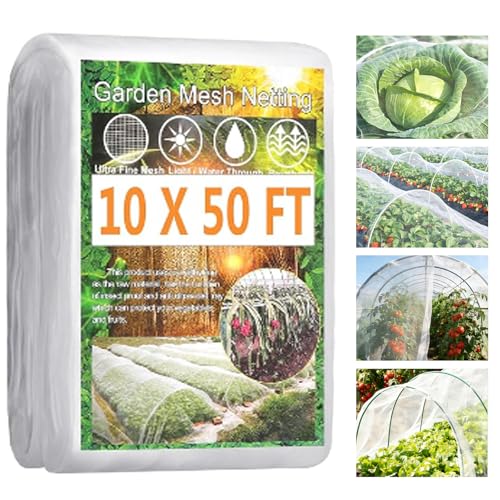
LIGHTWEIGHT, SOFT AND REUSABLE: Made from premium PE material, this garden netting pest barrier is lightweight and soft enough to be placed directly over plants without harming delicate plants. It is also tear-resistant and weatherproof, allowing for year-round reuse
Pest and Disease Management
Pests and diseases can pose significant threats to grapevines, affecting their growth and fruit quality. Common pests like aphids, spider mites, and grapevine moths can damage leaves and fruits, while diseases such as powdery mildew, downy mildew, and botrytis can spread rapidly if not controlled.
Management Tips:
- Regular Monitoring: Inspect your vines regularly for any signs of pests or diseases.
- Cultural Practices: Maintain proper spacing between vines to improve air circulation and reduce disease pressure.
- Biological Controls: Consider using beneficial insects or natural predators to keep pest populations in check.
- Chemical Treatments: Use approved pesticides judiciously following recommended application guidelines.
Weather-Related Concerns
Weather plays a crucial role in grape cultivation, impacting vine growth, fruit development, and overall yield. Adverse weather conditions like frost, hailstorms, excessive rainfall, or drought can harm grapevines at various stages of their growth cycle.
- Frost Protection: Install wind machines or use frost blankets during frost-prone periods to safeguard young buds.
- Irrigation Management: Implement efficient irrigation practices to ensure consistent water supply during dry spells.
- Netting for Hail Protection: Use protective netting over the vineyard to shield grapes from hail damage.
- Microclimate Considerations: Understand your vineyard’s microclimates to mitigate weather risks effectively.
By staying vigilant against pests and diseases while proactively managing weather-related concerns, you can nurture healthy grapevines that thrive despite these challenges in the cultivation process.
Harvesting and Post-Harvest Practices
When it comes to harvesting grapes, timing is crucial. Here are some tips for optimal harvesting and post-harvest practices:
Recommended Products

PEARL SHEARS: Special harvesting shears with aluminium handle and straight Teflon-coated blade. With integrated shock absorbers and high-quality built-in spring. Superior quality non-slip handle has a unique and durable design for maximum comfort.
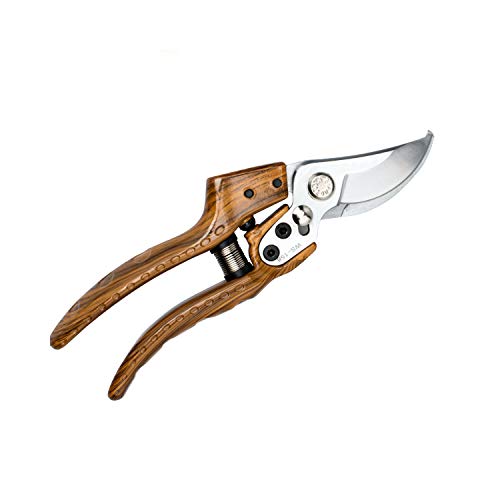
★ High Performance Blades: The blades of Garden Pruners adopting professional SK-5 steel is ultra-strong, sharp, rust and corrosion resistant. Pruning Shears saves time and makes pruning easier. It is ideal use for trimming and cutting the rose bush, shrubs, hedges, stems and light brunches etc.
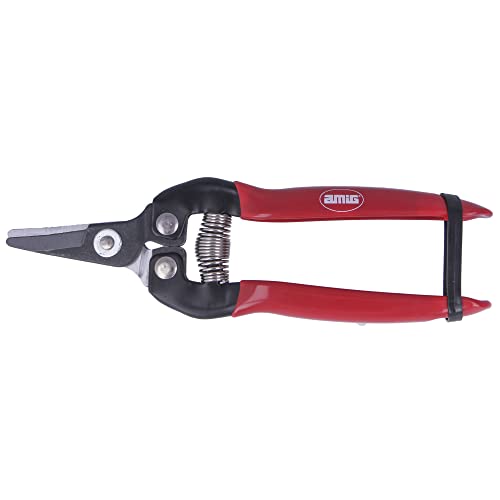
PEARL SHEARS: Special harvesting shears with aluminium handle and Teflon coated curved blade. With integrated shock absorbers and high-quality built-in spring. The high-quality non-slip handle is uniquely designed and provides superior comfort.
Tips for Optimal Harvesting
- Timing Is Key: Harvest your grapes at the right time to ensure they reach peak ripeness. This can vary depending on the grape variety and intended use, whether for fresh consumption or winemaking.
- Visual Cues: Look for visual indicators like color change in the grapes, sweetness levels, and seed maturity to determine if they are ready for harvest.
- Taste Testing: Sampling a few grapes can help you assess their flavor profile and decide if they have reached the desired taste before starting the full harvest.
- Weather Considerations: Be mindful of weather conditions when planning your harvest to avoid rain or extreme temperatures that could impact grape quality.
- Harvesting Techniques: Use proper tools such as shears or secateurs to carefully cut clusters from the vines without damaging them.
Post-Harvest Handling and Storage
After harvesting your grapes, it’s essential to handle and store them correctly to maintain their quality:
- Gentle Handling: Treat harvested grapes delicately to prevent bruising or crushing that could lead to spoilage.
- Cleaning Process: Remove any leaves, stems, or damaged berries from the harvested clusters before further processing or storage.
- Storage Conditions: Store grapes in a cool, humid environment to preserve freshness. Consider refrigeration if storing for an extended period.
- Ventilation: Ensure proper air circulation around stored grapes to prevent mold growth and maintain optimal conditions.
- Packaging Options: Choose suitable containers like perforated plastic bags or breathable crates for storing grapes based on quantity and duration of storage needed.
Conclusion
You’ve now explored the fascinating world of grape cultivation, discovering the essential factors that contribute to successful growth. From understanding the stages of grape development to learning about optimal cultivation techniques and overcoming common challenges like pest management, you’ve gained valuable insights into nurturing healthy grapevines. Harvesting practices have been demystified, highlighting the critical considerations for picking grapes at their peak ripeness. Moreover, post-harvest handling tips have been shared to help you preserve grape freshness and flavor long after harvest. Armed with this knowledge, you’re well-equipped to embark on your own grape-growing journey with confidence and skill. Cheers to a fruitful harvest ahead!
Frequently Asked Questions
Q: What are the key stages of grape growth covered in the article?
A: The article covers key stages like flowering, fruit set, veraison (color change), and ripening.
Q: What ideal growing conditions are mentioned for grape cultivation?
A: Ideal conditions include well-drained soil, full sun exposure, warm climate, and protection from strong winds.
Q: What cultivation techniques are highlighted in the article?
A: Techniques such as pruning, trellising, watering schedules, fertilization practices, and disease management are discussed.
Q: How does the article address pest management in grape cultivation?
A: The article discusses integrated pest management strategies involving cultural practices and biological controls.
Q: What is emphasized regarding harvesting practices for grapes?
A: Emphasis is placed on timing harvest based on visual cues, taste testing for sweetness/acidity balance, weather considerations for optimal picking conditions.
Q: How does the article suggest handling grapes post-harvest?
A: Gentle handling methods along with cleaning processes, proper storage conditions (temperature/humidity), ventilation needs, suitable packaging options are recommended.
