

Have you ever wished you could grow your favorite fruit trees right in your backyard? Grafting might be the answer you’re looking for. This simple yet effective technique allows you to combine different fruit varieties, giving you a unique harvest and saving space in your garden.
Key Takeaways
- Grafting Benefits: This technique allows you to combine different fruit varieties, provides disease resistance, accelerates fruit production, and maximizes garden space efficiency.
- Grafting Techniques: Common methods include whip and tongue, cleft, bark, and side grafting, each suited to different situations and tree sizes.
- Essential Tools: Key tools required for grafting include a grafting knife, pruning shears, rubber bands or grafting tape, wound dressing, and a waterproof marker.
- Tree Selection: Choose healthy, compatible fruit tree varieties to ensure successful grafting; selecting the right scion and rootstock is critical.
- Grafting Steps: Follow a precise step-by-step process: prepare the rootstock and scion, perform the graft, wrap the graft site, and apply a wound dressing.
- Avoiding Mistakes: Common pitfalls include misaligning cambium layers, choosing incompatible species, and neglecting proper aftercare. Addressing these issues can significantly enhance grafting success.
Overview of Grafting Fruit Trees
Grafting is a vital technique for growing fruit trees, allowing you to combine different varieties for unique flavors and maximizing garden space. Understanding grafting’s importance and the various techniques helps you successfully cultivate healthy fruit trees in your backyard.
Importance of Grafting
Grafting provides several key benefits for gardeners:
- Variety Selection: Grafting lets you combine traits from various fruit species. For instance, you can create a tree that produces apples and pears from a single trunk.
- Disease Resistance: Some rootstocks offer resistance to soil-borne diseases. This aspect ensures your grafted tree remains healthy and productive.
- Faster Fruit Production: Grafted trees produce fruit sooner than non-grafted ones. You can enjoy the fruits of your labor in as little as 1-3 years instead of waiting for seedlings to mature.
- Space Efficiency: Grafting allows for denser planting arrangements. You maximize your garden’s yield without needing extra land.
Types of Grafting Techniques
Different grafting techniques suit various needs and situations. Here’s a breakdown of the most common methods:
- Whip and Tongue Graft: Ideal for connecting two similar-sized branches. You make slanted cuts on both the rootstock and scion, ensuring they fit together securely. This method promotes good sap flow.
- Cleft Graft: Perfect for grafting a scion onto a larger rootstock. You create a vertical cut in the rootstock and insert the tapered end of the scion. This technique works well for budding in early spring.
- Bark Graft: Effective when the rootstock is significantly thicker than the scion. You peel back the bark of the rootstock and insert the scion underneath. This technique encourages rapid growth during the growing season.
- Side Graft: Useful for joining a scion to the side of a rootstock. You make a horizontal cut on the side and attach the scion at a matching angle. This method is simple and effective for various tree sizes.
Explore these techniques based on your experience level, tree types, and garden space, making grafting a rewarding venture for growing fruit trees.
Tools and Materials Needed
Grafting fruit trees requires specific tools and materials to ensure successful results. Below is a comprehensive list of what you’ll need for this process.
Essential Tools for Grafting
- Grafting Knife: A sharp grafting knife makes precise cuts for grafting. Look for one with a straight edge for clean incisions.
- Pruning Shears: Use pruning shears to remove any unwanted branches and prepare the tree for grafting. Ensure they are sharp for a clean cut.
- Rubber Bands or Grafting Tape: These materials secure the graft and prevent it from moving. Grafting tape is moisture-resistant, providing a protective layer.
- Wound Dressing: Apply a wound dressing to protect the graft from disease. Products containing a blend of sealant and fungicide work best.
- Marker: A waterproof marker helps label your grafts. This identification is useful for tracking growth once grafting is complete.
Selecting the Right Fruit Trees
Choosing compatible fruit tree varieties is crucial. Follow these guidelines:
- Compatible Varieties: Select varieties that share the same family for successful grafting. For instance, apple varieties may graft well together, but an apple grafted to a cherry may not succeed.
- Scion and Rootstock Pairing: Confirm that the scion (the part that becomes the new tree) and the rootstock (the established base) complement each other in terms of growth habit and hardiness.
- Health and Vigor: Choose healthy, vigorous trees for both scion and rootstock. Avoid trees with disease or pest issues to increase the chances of successful grafting.
Focusing on these tools and selection criteria sets you up for successful grafting of fruit trees.
Step-by-Step Guide to Grafting
Grafting is a straightforward method that allows you to create new fruit trees. Follow these steps for successful grafting.
Preparing the Rootstock
- Choose a healthy rootstock, ideally one that matches the scion’s compatibility.
- Clean the area where you’ll graft. Use sharp pruning shears to create a smooth cut on the rootstock about 6-12 inches above the ground.
- Create a sloping cut to expose the cambium layer, which is vital for successful grafting. Aim for a 45-degree angle on the cut.
Preparing the Scion
- Select a scion from a healthy tree, choosing a pencil-thick branch that is at least one year old.
- Cut a segment about 6 inches long with a knife. Make a clean cut at the base of the scion and another sloping cut to expose the cambium layer.
- Store the scion in a moist paper towel to prevent it from drying out.
Performing the Graft
- Align the scion with the rootstock, ensuring the cambium layers match. The cambium is the thin layer just under the bark.
- Use either a whip and tongue method or a cleft graft, depending on your preference. This alignment allows the two parts to bond effectively.
- Press the scion firmly into position on the rootstock.
- Wrap the graft site with grafting tape or rubber bands. Ensure it’s snug, but not so tight that it damages the bark.
- Apply a wound dressing to the graft area to protect it from moisture loss and infections.
- Label the grafted tree with the type of fruit and grafting date using a waterproof marker.
By following these steps, you’ll enhance your chances of creating productive grafted fruit trees.
Tips for Successful Grafting
Successful grafting demands attention to detail and proper techniques. Follow these tips to enhance your grafting outcomes.
Recommended Products

4 Rolls: Includes 4 rolls of grafting tape, suitable for gardens, yards, orchards, and farms

4 Rolls: The clear grafting tape is 1.18 inches wide, and the package includes 4 rolls
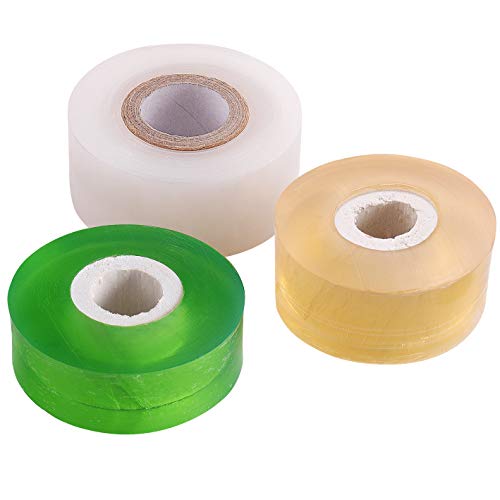
Flexible grafting tape adheres to itself with stretch gently
Timing Your Graft
Timing plays a crucial role in successful grafting.
- Choose the Right Season: Spring is optimal, as trees are actively growing. Late winter or early summer works too, depending on the specific tree type.
- Monitor Bud Activity: Look for swelling buds. This indicates sap flow and encourages successful union when grafting.
- Consider Weather Conditions: Favor a cloudy day or a cooler temperature. This prevents excessive heat stress on the newly grafted tree.
Aftercare and Maintenance
Proper aftercare ensures the graft heals correctly and thrives.
- Keep the Graft Site Moist: Ensure the graft site stays hydrated, but not overly wet. Too much moisture can lead to rot.
- Monitor for Pests and Diseases: Check regularly for any signs of infestations or diseases. Act quickly to address these issues.
- Remove Wraps Gradually: After about 2-3 weeks, slowly remove any tape or rubber bands. This step prevents constriction while allowing the graft to grow freely.
- Prune Awkward Growths: Trim any shoots that develop below the graft. This diverts energy toward the new grafting union.
Following these guidelines will significantly boost your chances of successful grafting, leading to a fruitful harvest.
Common Mistakes to Avoid
Avoiding common mistakes during grafting ensures a higher success rate and healthier fruit trees. Here’s what you need to watch out for.
Incorrect Techniques
Using incorrect techniques can lead to graft failure. Follow these tips to ensure proper execution:
- Align the Cambium Layers: Always align the cambium layers of the scion and rootstock. Misalignment prevents nutrient flow, jeopardizing the graft.
- Choose the Right Method: Select an appropriate grafting method for the types of trees involved. For example, whip and tongue grafts work well for compatible species, while cleft grafts suit thicker rootstocks.
- Secure the Graft Properly: Use grafting tape or rubber bands to secure the graft site firmly. Inadequate binding creates space for air and ultimately disrupts healing.
Poor Tree Selection
Selecting the right trees is crucial for successful grafting. Here are key considerations:
- Compatibility: Choose scion and rootstock from the same family or genus. For instance, grafting different apple varieties together is typically successful, but an apple on a peach rootstock won’t work.
- Health Status: Only use healthy trees. Inspect for signs of pests, disease, or weakness. Grafting under stress can lead to failure.
- Age Considerations: Use young branches from the scion tree. Older wood doesn’t graft well; fresh growth enhances the chances for a successful union.
By avoiding these mistakes, you enhance the likelihood of successful grafting, paving the way for fruitful trees in your backyard.
Conclusion
Grafting fruit trees can be a rewarding experience that brings unique flavors to your garden. By following the steps outlined and keeping in mind the tips shared, you’re setting yourself up for success. Remember to choose compatible varieties and pay attention to timing and care after grafting.
With a little patience and practice, you’ll be able to enjoy the fruits of your labor sooner than you think. So grab your tools and get started on your grafting journey. Your backyard orchard is just a graft away from becoming a delicious reality!
Frequently Asked Questions
What is grafting in fruit trees?
Grafting is a horticultural technique used to combine different varieties of fruit trees into one plant. It involves joining a scion (the desired variety) to a rootstock (the supporting base), enabling gardeners to grow multiple fruit types in limited space while enhancing growth characteristics.
What are the benefits of grafting fruit trees?
Grafting offers several benefits, including the ability to select disease-resistant varieties, accelerate fruit production, maximize space efficiency, and create unique fruit combinations. This technique also helps preserve rare or heirloom fruit varieties.
What are the common grafting techniques?
Common grafting techniques include whip and tongue graft, cleft graft, bark graft, and side graft. Each method has specific applications and is suited for different situations, depending on the types of trees involved and the desired outcomes.
What tools do I need for grafting?
Essential tools for grafting include a sharp grafting knife, pruning shears, rubber bands or grafting tape, wound dressing, and a waterproof marker for labeling. These tools help ensure a successful grafting process by providing precision and protection.
How do I select compatible fruit tree varieties for grafting?
To select compatible varieties, choose trees within the same family. It’s important to pair healthy scions and rootstocks that share similar growth habits, and ensure both are disease-free to enhance chances of successful grafting.
What is the process of grafting?
The grafting process involves preparing the rootstock by making a smooth cut to expose the cambium layer, preparing a healthy scion, aligning the cambium layers of both, and securing them together. Finally, wrap the graft site and apply wound dressing for support.
What aftercare is needed following grafting?
After grafting, keep the graft site moist, monitor for pests and diseases, and gradually remove wraps as the graft establishes. Prune any awkward growths to promote healthy development and ensure the tree grows successfully.
What common mistakes should I avoid when grafting?
Common mistakes include misaligning the cambium layers, choosing incompatible trees, and over-stressing the graft. Avoid using overly mature or unhealthy branches as scions and ensure proper securing to enhance graft success rates.
