

Have you ever wondered how to grow multiple varieties of citrus fruit from just one tree? If you’ve got a small garden or want to expand your citrus collection, grafting might be the perfect solution. It’s a simple technique that can boost your harvest and create unique flavor combinations.
Key Takeaways
- Grafting Basics: Grafting enables the growth of multiple citrus varieties from a single tree, enhancing garden diversity and fruit yield.
- Choosing Techniques: Common grafting methods include cleft grafting, whip and tongue grafting, and bud grafting, each suited for different circumstances to ensure a successful union.
- Selecting Rootstocks: The compatibility of rootstocks, such as Trifoliate Orange and Swingle Citrumelo, greatly affects the health, growth, and quality of the citrus fruits produced.
- Ideal Scions: Selecting scion varieties like Navel Orange and Ruby Red Grapefruit is essential for achieving specific flavor profiles and gardening goals.
- Step-by-Step Process: Proper preparation and execution—ensuring clean cuts, aligning cambium layers, and sealing the graft—are crucial for successful grafting.
- Overcoming Challenges: Recognizing early signs of grafting failure and adhering to best practices can significantly improve the success rate of your grafting endeavors.
Understanding Grafting Basics
Grafting enables you to grow different varieties of citrus fruit from a single tree. This method enhances your garden’s diversity and can boost your harvest.
Definition of Grafting
Grafting is a horticultural technique that joins tissues of different plants so they grow together. Typically, you select a rootstock, which provides the root system, and a scion, which is the desired fruit variety. The union between the two allows the scion to benefit from the established root system of the rootstock.
Importance of Grafting in Citrus Trees
Grafting plays a crucial role in cultivating citrus trees. Benefits include:
- Diversity: Grow multiple citrus varieties on one tree, maximizing space.
- Disease Resistance: Use rootstocks that resist diseases, improving overall tree health.
- Improved Yield: Certain rootstocks increase fruit production and quality.
- Faster Fruit Production: Grafted trees often bear fruit sooner than those grown from seed.
- Adaptability: Choose rootstocks suited for your specific soil and climate conditions.
By understanding grafting, you can create a vibrant, productive citrus garden.
Types of Grafting Techniques
Grafting citrus trees involves several techniques, each suited for different scenarios. Understanding these methods can help maximize your success.
Recommended Products

6-Piece Grafting Tool Set: Includes one SK5 steel grafting cutter, one 2CR13 steel grafting knife, three rolls of tape (1 white, 2 green), and one twist tie for complete propagation

【Silicone Grafting Cover】 Designed to help securely hold the scion and rootstock together, maintaining close cambium contact during grafting. Suitable for young fruit trees, citrus plants, and garden seedlings

PROFESSIONAL GARDENING GRAFTING TOOLS: Including 2 in 1 grafting pruning tools, 3 replaceable blades, a grafting knife, a screwdriver, a wrench, 2 grafting films, 160 rubber bands, 40 wide rubber bands, and 50 colorful tag cards
Cleft Grafting
Cleft grafting is ideal for joining a scion to a larger rootstock. First, make a clean cut on the rootstock to create a cleft. Next, prepare the scion by cutting it to a wedge shape. Insert the scion into the cleft, ensuring good contact with the cambium layer of the rootstock. Finally, secure the graft with tape or wax to hold it in place. This technique works well for younger trees, as the success rate is high.
Whip and Tongue Grafting
Whip and tongue grafting suits similar-sized scions and rootstocks. Start by making angled cuts on both pieces, creating a tongue on each. Align the cuts, interlocking the tongues for a solid connection. Wrap the joint with grafting tape to keep moisture in and maintain contact. This method promotes good growth, as it allows maximum cambium contact. It’s commonly used for establishing new citrus varieties.
Bud Grafting
Bud grafting is straightforward and efficient, especially for budding during the growing season. Select a healthy bud from the desired variety and make a T-shaped incision on the rootstock’s bark. Gently lift the flaps and insert the bud. Press the flaps back down, and wrap them to secure the bud. This technique allows for quicker integration of the new variety, making it popular among gardeners looking to expand their citrus collection.
By mastering these grafting techniques, you can effectively cultivate various citrus trees in your garden.
Choosing the Right Citrus Varieties
Selecting the right citrus varieties is crucial for successful grafting. You can enhance your garden’s diversity and fruit yield by choosing compatible rootstocks and ideal scions.
Recommended Products
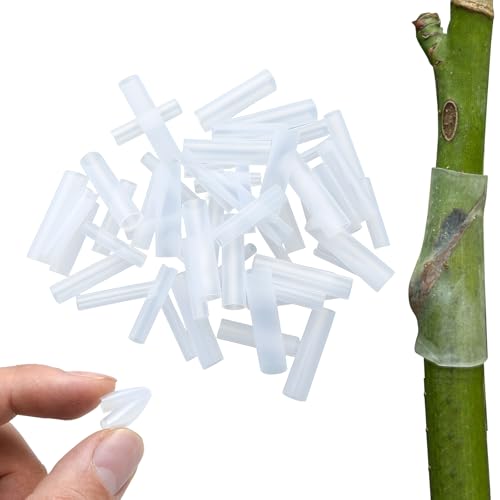
Silicone Grafting Sleeves: Designed to help hold scion and rootstock securely in place, maintaining close cambium contact during the grafting process. Suitable for young fruit trees, citrus plants and garden seedlings

✅ Up for sale are 3 scion budwood cuttings of Meyer's lemon for grafting purposes. Each cutting is approximately 6 inches long. The leaves will be partially removed, and the top will be cut by 80-90% to prevent moisture loss. The cuttings will be wrapped in lightly wet wood shavings or wet shredded paper, then in newspaper and plastic, and sent in a box. Please ensure your rootstock citrus is ready for grafting.

【Package Contents】Includes 50 pieces (random size combination of 3–7.5mm) and 1 roll grafting tape , suitable for home gardeners, greenhouses, and nurseries
Compatible Rootstocks
When grafting citrus trees, choosing a compatible rootstock is essential. Rootstocks influence growth, hardiness, and fruit quality. Here are some popular rootstock options:
- Trifoliate Orange (Poncirus trifoliata): This rootstock offers cold hardiness and disease resistance. It’s ideal for regions with colder climates.
- Swingle Citrumelo: Known for its tolerance to nematodes and citrus greening, Swingle Citrumelo supports vigorous growth and high yields.
- Troyer Citrumelo: This rootstock works well in wetter soils and offers good disease resistance, making it suitable for varied conditions.
- Sour Orange (Citrus aurantium): Traditionally used for grafting, it produces high-quality fruits but may be susceptible to tristeza virus.
Selecting the right rootstock depends on your climate, soil conditions, and desired fruit characteristics.
Ideal Scion Choices
Choosing scions that match your gardening goals ensures a successful grafting experience. Here are a few popular citrus varieties:
- Navel Orange: Known for its sweet, seedless fruit, Navel oranges thrive in warm climates and are easy to peel.
- Ruby Red Grapefruit: This variety stands out for its juicy texture and sweetness. It performs best in sunny locations.
- Meiwa Kumquat: Known for its unique sweet fruit, the Meiwa kumquat adapts well to container gardening.
- Improved Meyer Lemon: A hybrid of lemon and mandarin, this variety produces a fragrant and flavorful fruit, thriving in gardens with moderate water.
When selecting scions, consider your taste preferences, climate, and potential pest or disease resistance.
Making informed choices about rootstocks and scions optimizes your grafting results. With proper selection, your citrus trees can flourish and provide delicious fruits for years to come.
Step-by-Step Guide on How to Graft Citrus Fruit Trees
Grafting citrus trees involves straightforward steps that can yield fruitful results. Follow this guide to navigate the process effectively.
Recommended Products

Made of DURABLE 2CR13 high hardness stainless steelSTAINLESS STEEL, the Blade is sharp and hard,ROSEWOOD handle gives you comfortable grip with little effort and long use without fatigue.
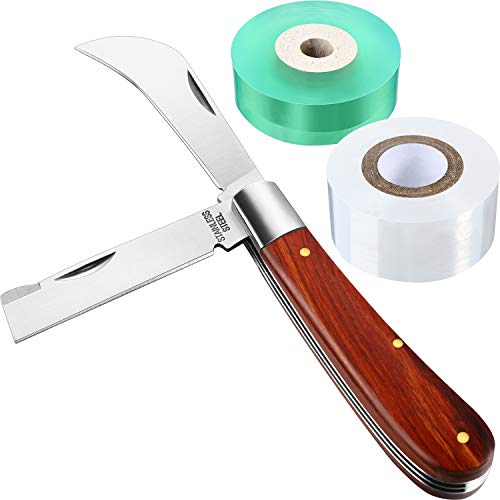
Package includes: you will get 1 double blades garden grafting knife and 2 rolls of grafting tapes in 2 sizes, ideal set for grafting budding, cutting, digging, sprouting, plants, weeding, cutting, sawing, etc.
Item Package Height: 1.1 Inches
Preparing the Tools and Materials
- Gather Tools: Collect essential tools like a sharp grafting knife, pruning shears, and a clean cutting board.
- Choose Materials: Select healthy scion wood and compatible rootstock. Scion wood should be about the thickness of a pencil and taken from disease-free, healthy trees.
- Prepare Sealants: Acquire grafting wax or tape to protect the graft site from disease and retain moisture.
- Keep Everything Sterile: Disinfect tools with rubbing alcohol to prevent infection, ensuring a clean grafting environment.
Performing the Grafting Procedure
- Make the Cut: On the rootstock, make a clean upward cut about 2-4 inches long. This cut should be at a slight angle for better surface area.
- Prepare the Scion: Cut the scion to match the shape of the rootstock’s cut. The scion should have at least two buds.
- Join the Pieces: Insert the scion into the cut on the rootstock. Align the cambium layers of both parts for optimal fusion.
- Seal the Graft: Use grafting wax or tape to secure the graft site, keeping it tight but not overly constricted. Ensure the graft is sheltered from the elements.
- Monitor Environmental Conditions: Keep the grafted tree in a warm environment with indirect sunlight for about 2 weeks.
- Water Properly: Water the grafted tree sparingly, avoiding waterlogging. Check soil moisture regularly.
- Check Growth Progress: After about a month, check for signs of growth on the scion. If buds swell, the grafting succeeded.
- Remove Sealing Materials: Once the graft establishes, remove any grafting tape or wax to allow for natural growth.
By following these steps, you enhance the chances of a successful graft and can enjoy diverse citrus varieties from your trees.
Common Challenges in Grafting
Grafting citrus fruit trees can present a few challenges. Understanding these obstacles helps you navigate the process effectively.
Identifying and Overcoming Failures
Identifying failures early boosts your success rates. Look for signs like wilting leaves or stunted growth on the new graft. These indicate the graft may not have taken. If you notice these symptoms:
- Examine the graft union closely for improper alignment or pressure.
- Ensure the scion and rootstock are compatible varieties.
- Check for moisture: a dry environment can cause graft failures.
Reaching out to local gardening groups can provide support and solutions. Many experienced gardeners will share insights and tips based on their own grafting experiences.
Best Practices for Successful Grafting
Adopting best practices when grafting increases your chances of success. Follow these key steps:
- Choose high-quality materials: Use healthy scions and robust rootstocks.
- Use sharp tools: Clean, sharp grafting knives minimize damage to plant tissues.
- Make clean cuts: A smooth, angled cut enhances the grafting surface.
- Seal promptly: Use grafting wax or tape right away to prevent moisture loss.
- Monitor humidity: Maintain a humid environment around the graft site for optimal healing.
Regularly checking your grafts encourages growth and development. Keeping a gardening journal can help you track your successes and issues over time, providing a valuable reference for future projects.
Conclusion
Grafting citrus trees opens up a world of possibilities for your garden. By experimenting with different varieties you can enjoy a unique harvest that suits your taste. Remember that patience and practice are key to mastering this technique.
As you embark on your grafting journey don’t hesitate to learn from each experience. Troubleshooting challenges along the way will only make you a better gardener. With the right tools and techniques you’ll be well on your way to cultivating a vibrant citrus collection that brings joy for years to come. Happy grafting!
Frequently Asked Questions
What is grafting in citrus cultivation?
Grafting is a horticultural technique where tissues from different plants are joined together. In citrus cultivation, it involves a rootstock that provides the root system and a scion that bears the desired fruit variety. This method allows gardeners to grow multiple citrus varieties from a single tree.
What are the benefits of grafting citrus trees?
Grafting citrus trees enhances diversity, increases disease resistance, and improves yield. It also leads to faster fruit production and allows growers to adapt trees to specific soil and climate conditions, thus optimizing harvests and enhancing flavor profiles.
What are some common grafting techniques?
Common grafting techniques for citrus include cleft grafting, whip and tongue grafting, and bud grafting. Each technique suits different sizes and types of scion and rootstock, helping gardeners successfully cultivate varied citrus trees based on their specific needs.
What rootstocks are recommended for grafting citrus trees?
Popular rootstocks for citrus grafting include Trifoliate Orange, Swingle Citrumelo, Troyer Citrumelo, and Sour Orange. Each offers unique benefits such as disease resistance and adaptability to particular soil and climate types, helping gardeners achieve optimal growth conditions.
How do I choose the right scion for grafting?
When selecting a scion for grafting, consider your taste preferences and gardening goals. Recommended scions include Navel Orange, Ruby Red Grapefruit, Meiwa Kumquat, and Improved Meyer Lemon. Compatibility with the chosen rootstock is crucial for successful grafting.
What tools do I need for grafting citrus trees?
Essential tools for grafting citrus trees include a sharp grafting knife, pruning shears, and grafting wax or tape. These tools help ensure clean cuts and proper sealing of the graft to increase the chances of success.
How do I perform citrus grafting?
To graft citrus trees, follow these steps: prepare your tools, make a clean cut on the rootstock, prepare the scion, join both pieces together, seal the graft with wax or tape, and monitor environmental conditions to promote healing.
What common challenges do I face when grafting?
Common challenges in grafting citrus trees include wilting leaves and stunted growth. Early identification of such issues is essential, and troubleshooting may involve checking alignment, compatibility, and moisture levels around the graft site.
How can I improve my grafting success?
To boost your grafting success, use high-quality grafting materials and sharp tools. Make clean cuts, seal the graft promptly, maintain humidity, and regularly monitor the grafting process. Keeping a gardening journal can also help track progress and improve future efforts.
