

Have you ever noticed ants swarming around your fruit trees? It’s frustrating when these tiny invaders threaten your harvest. Ants can lead to bigger problems by protecting harmful pests like aphids, which can damage your trees and fruit.
Key Takeaways
- Understanding Ants: Recognize various ant species, such as Carpenter, Leafcutter, Argentine, and Pavement ants, to better manage infestations in fruit trees.
- Causes of Infestation: Identify key reasons for ant invasions, including food sources (like aphids), nesting sites, favorable weather, and the absence of natural predators.
- Prevention Techniques: Maintain tree health by regularly inspecting for pests, removing decaying wood, and using organic fertilizers that promote vigor while deterring ants.
- Remediation Methods: Utilize natural remedies (like soap and water or vinegar sprays) and commercial ant baits to effectively eliminate ants in fruit trees.
- Monitoring and Maintenance: Conduct regular inspections of your trees to spot ant activity and pests, documenting findings for early detection and prevention.
- Long-Term Strategies: Implement long-term practices such as keeping gardens clean, using natural barriers, and encouraging beneficial insects to sustainably reduce ant populations.
Understanding Ants in Fruit Trees
Ants can disrupt the health of your fruit trees by attracting pests that harm the fruit. Recognizing the types of ants and understanding their behaviors helps you manage infestations effectively.
Common Ant Species
Several ant species typically invade fruit trees.
- Carpenter Ants: These ants hollow out wood to create nests. They don’t eat wood but feed on honeydew and proteins.
- Leafcutter Ants: These ants cut leaves to cultivate fungus. Their activity can result in the decline of tree health.
- Argentine Ants: Known for forming large colonies, they protect aphids and scale insects, increasing the risk of infestations.
- Pavement Ants: Often found near sidewalks, these ants can cause damage by tunneling around roots.
Reasons for Ant Infestation
Understanding why ants infest fruit trees helps you prevent problems.
- Food Sources: Ants flock to trees with high populations of aphids or mealybugs. These pests produce honeydew, a sweet substance that attracts ants.
- Nesting Sites: Trees with decaying wood or wounds provide ideal nesting spots for ants.
- Weather Conditions: Warmer temperatures encourage ant activity, leading them to seek out food and shelter in gardens.
- Lack of Predators: An absence of natural predators leads to increased pest populations, attracting more ants.
Identifying these factors helps you take targeted action against ant infestations in your fruit trees.
Prevention Strategies
Preventing ants in fruit trees relies on several key techniques that maintain tree health and alter the environment to deter ant activity.
Maintaining Tree Health
You should regularly inspect your fruit trees for signs of stress or pest infestation. Healthy trees are less attractive to ants. Remove any dead or decaying wood from around the trees, as this provides nesting sites for ants. Prune trees to enhance air circulation and light exposure, which promotes overall vigor. Use organic fertilizers to strengthen tree structure without attracting harmful pests. Monitor aphid populations, since ants are drawn by their honeydew secretion. Introduce beneficial insects like ladybugs to manage aphids naturally.
Environmental Modifications
You can modify your garden environment to make it less inviting for ants. Clear any debris or organic matter near your fruit trees, minimizing potential nesting sites. If possible, adjust irrigation practices to avoid overwatering and creating moist habitats conducive to ant colonies. Use barriers, like sticky tape or diatomaceous earth, around the base of the trees to prevent ant access. Raise the mulch level thoughtfully to reduce places where ants can establish colonies. For a more extensive approach, consider planting ant-repelling plants, such as mint or garlic, nearby to deter their presence.
Effective Removal Methods
You can effectively remove ants from your fruit trees using various methods. Here are some proven strategies to address the issue.
Natural Remedies
- Soap and Water Solution: Mix 1 tablespoon of dish soap with 1 quart of water. Spray this solution directly onto the ants and their nests. This disrupts their exoskeleton, effectively killing them.
- Vinegar Spray: Combine equal parts of water and vinegar in a spray bottle. Spray the mixture on the trunks and leaves to deter ants, as they dislike the smell.
- Essential Oils: Use natural oils like peppermint or tea tree oil. Mix 10-15 drops with water and spray around your fruit trees. These scents repel ants and many other pests.
- Boric Acid and Sugar Bait: Mix equal parts of sugar and boric acid in a small container. Place this bait near the tree. The sugar attracts ants, while the boric acid acts as a poison when ingested.
- Commercial Ant Baits: Look for ant baits containing insect growth regulators (IGRs) or slow-acting poisons. Place these around your fruit trees. Ants carry the bait back to their colony, effectively reducing the population.
- Insecticidal Soaps: Purchase ready-made insecticidal soaps specifically designed for garden use. Apply them directly to the affected areas of your trees, targeting both ants and pest species they protect, such as aphids.
- Granular Insecticides: Apply granular insecticides formulated for ants around your trees. Water the area lightly to activate the granules, ensuring they reach the ants’ nesting sites.
Employing these methods can keep ants away from your fruit trees, preserving their health and ensuring a bountiful harvest.
Monitoring and Maintenance
Monitoring and maintenance play crucial roles in managing ants in fruit trees. Regular efforts ensure you catch problems early and keep your trees healthy.
Recommended Products
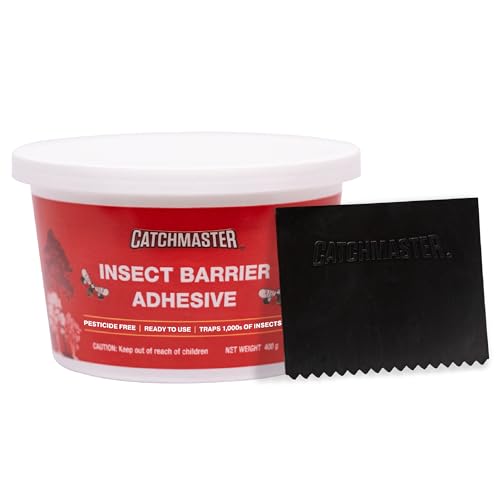
SAVE YOUR TREES: Our specially-formulated Insect Barrier Adhesive can be combined with standard plastic wrap to create tree band sticky traps for bugs. Tree bands are effective at controlling and monitoring invasive species like the spotted lanternfly, cankerworms, moths, black vine weevils, ants, caterpillars, and stink bugs, cicadas, cutworms and other crawling insects
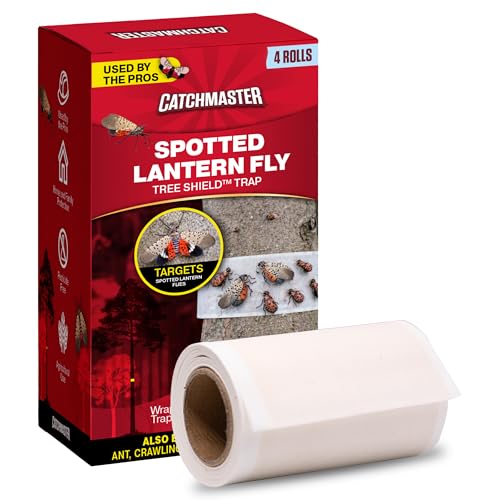
IMPRESSIVE TREE COVERAGE: Catchmaster's Tree Shield Insect Barrier is a heavy-duty crawling and flying insect trap. The tree shield measures 30 feet long, allowing you to protect more of your trees in less time. The 30-foot rolls can be easily cut to adapt to different tree and plant sizes throughout your property
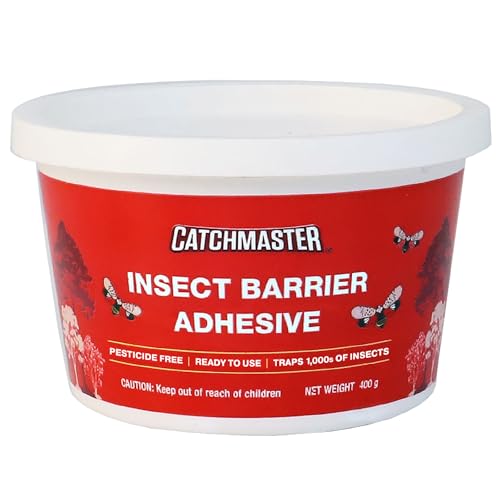
SAVE YOUR TREES: Our specially-formulated Insect Barrier Adhesive can be combined with standard plastic wrap to create tree band sticky traps for bugs. Tree bands are effective at controlling and monitoring invasive species like the spotted lanternfly, cankerworms, moths, black vine weevils, ants, caterpillars, and stink bugs, cicadas, cutworms and other crawling insects
Regular Inspections
Regular inspections help in identifying ant activity and associated pests. Check your fruit trees weekly for:
- Ant Trails: Look for lines of ants moving to and from trees.
- Pest Presence: Check for aphids or other pests on stems and leaves since ants often protect these insects.
- Tree Health: Observe for any signs of stress, like wilting leaves or stunted growth.
Document your findings to track changes over time. Early detection can prevent larger infestations.
Long-Term Prevention Techniques
Long-term prevention techniques significantly reduce ant infestations. Incorporate these practices into your routine:
- Maintain Cleanliness: Keep your garden free of fallen fruit and debris that can attract ants.
- Use Natural Barriers: Apply sticky barriers around the trunks of trees to trap ants before they reach the branches.
- Encourage Natural Predators: Attract beneficial insects, such as ladybugs, which help control aphid populations.
- Apply Diatomaceous Earth: Spread it around the base of trees to deter ants safely.
By combining regular inspections with these prevention techniques, you set a solid foundation for keeping ants away from your fruit trees and preserving their health.
Conclusion
Dealing with ants in your fruit trees doesn’t have to be a daunting task. By staying proactive and implementing the strategies outlined, you can create a healthier environment for your trees. Regular inspections and simple modifications can go a long way in preventing infestations.
Utilizing natural remedies and barriers not only helps keep ants at bay but also supports the overall health of your garden. Remember to keep an eye on pest populations and take action when necessary. With a little effort and attention, you’ll enjoy a thriving fruit tree and a bountiful harvest free from pesky ants. Happy gardening!
Frequently Asked Questions
What attracts ants to fruit trees?
Ants are attracted to fruit trees primarily due to the presence of food sources like aphids that secrete honeydew, a sugary substance. They also seek suitable nesting sites in decaying wood and favorable weather conditions.
How do ants affect fruit trees?
Ants can harm fruit trees by protecting harmful pests, such as aphids, which damage leaves and fruit. This disruption can lead to reduced tree health and lower fruit quality.
What types of ants commonly invade fruit trees?
Common ant species that invade fruit trees include Carpenter Ants, Leafcutter Ants, Argentine Ants, and Pavement Ants. Each has unique behaviors that can negatively impact tree health.
How can I prevent ants from invading my fruit trees?
To prevent ants, regularly inspect trees for stress or pests, remove dead wood, and prune for better air circulation. Use organic fertilizers and consider planting ant-repelling plants nearby.
What are natural methods to remove ants?
Natural removal methods include using a soap and water solution, vinegar spray, and essential oils to repel ants. Boric acid mixed with sugar can also attract and poison them effectively.
How often should I inspect my fruit trees for ants?
Regular inspections are essential, ideally every few weeks, to check for ant activity, pest presence, and overall tree health. This helps in early detection and prevention of infestations.
What can I use to deter ants from my trees?
You can use sticky tape, diatomaceous earth, or natural barriers around tree bases to deter ants. Keeping the garden clean and clearing debris also reduces ant presence.
Is it safe to use insecticidal soaps around fruit trees?
Yes, insecticidal soaps are safe for use around fruit trees, as they target pests without harming the plants. Always follow the product instructions for effective application.
