

Ever wondered how long it takes to grow your own fruit trees? You’re not alone. Many people dream of biting into a juicy apple or a sweet peach right from their backyard but aren’t sure what to expect in terms of time and care.
Key Takeaways
- Growth Time Ranges: Different fruit trees have varied timelines for fruit production; for example, apple trees typically take 3-5 years, while some peach trees can produce fruit in just 3-4 years.
- Key Influencing Factors: Growth time is significantly affected by climate, soil quality, and tree variety, making it crucial to select the right trees for your local environment.
- Proper Planting Techniques: Implementing the right planting techniques, such as digging wide holes and ensuring correct planting depth, can promote faster growth and healthier trees.
- Nutritional Needs: A balanced fertilization strategy, including incorporating organic matter and monitoring soil pH, is essential for optimal tree health and growth acceleration.
- Maintenance Practices: Regular inspections for pests and diseases, along with appropriate pruning and mulching, play a vital role in nurturing young trees for better yields.
- Environment Matters: Creating the right growing conditions—adequate sunlight, proper watering, and good drainage—significantly impacts the growth rate and fruiting potential of fruit trees.
Factors Affecting Growth Time
Several key factors influence how long it takes to grow fruit trees. Understanding these factors helps you manage expectations and enhance your gardening success.
Climate and Weather Conditions
Climate impacts growth rates significantly. Warmer climates often promote quicker growth due to longer growing seasons. Cold temperatures may slow down development and even delay fruit production. For instance, apple trees thrive in temperate zones, while citrus trees prefer warmer, subtropical climates. Assess the USDA hardiness zone of your location to choose the right tree varieties.
Soil Quality and Composition
Soil plays a crucial role in the growth journey of fruit trees. Nutrient-rich, well-draining soil fosters strong root systems and healthy tree development. Sandy loam with organic matter works well for most fruit trees. Conduct a soil test to determine pH and nutrient levels. If soil is poor, amend it with compost or well-rotted manure to improve its quality.
Tree Variety and Species
Different tree varieties and species come with varying growth rates. For example, dwarf fruit trees typically reach maturity faster than standard trees. Peach trees might produce fruit in 3–4 years, whereas some apple varieties can take 4–6 years. When selecting trees, consider their growth habits to match your timeline and space considerations.
Average Growth Times for Common Fruit Trees
Growing fruit trees at home offers the joy of harvesting your own fresh produce. Understanding the average growth times for various fruit trees helps set realistic expectations.
Recommended Products

4 kinds of the most popular fruits, individually packaged, 50pcs Lemon seeds 50pcs Cherry seeds 50pcs Orange seeds 50pcs Apple seeds Fresh seeds, all fruit seeds are packed in tear and moisture resistant zipper sealed bags for your long term storage.

Product Quantity: 180+ premium bonsai fruit seeds across 5 varieties; Individual packs contain 40+ apple, 40+ lemon, 40+ orange, 20+ blueberry, and 40+ cherry seeds; Perfect for starting a diverse miniature orchard

Multi-Variety Seeds: Contains lemon, apple, blueberry, orange, and cherry seeds, totaling over 150 seeds.
Apple Trees
Apple trees typically take 3 to 5 years to produce fruit after planting. Standard apple varieties may take longer, while dwarf apple trees often start bearing fruit within 2 to 3 years. Factors like climate and soil quality can affect growth rates. To encourage faster growth, ensure your apple trees receive full sun and regular watering, especially during dry spells.
Orange Trees
Orange trees usually need 3 to 5 years to bear fruit. If you choose a dwarf variety, expect fruit production to begin in as little as 1 to 3 years. Warmer climates and well-draining soil promote optimal growth. Regular fertilization and adequate watering will also support healthy development.
Cherry Trees
Cherry trees usually take longer, with sweet cherry trees maturing in about 4 to 7 years, while sour cherry trees may produce fruit in about 3 to 5 years. Environmental conditions, such as sunlight and temperature, significantly influence growth rates. To nurture growth, provide good drainage and avoid planting in overly wet areas.
Tips for Accelerating Growth
Accelerating the growth of fruit trees involves careful attention to planting, nutrition, and pest management. Follow these actionable tips to promote faster development.
Recommended Products

Bloom Booster Built for Peak Season: Yardi Fruit & Bloom delivers a targeted NPK 2-15-15 formula with micronutrients to drive abundant flowering and stronger yields. Higher phosphorus and potassium maximize bloom production and fruit set at the most critical stage of the growing season.

Let our professionally formulated plant food help your fruit tree grow healthy, strong AND abundantly producing

Let our professionally formulated plant food help your fruit tree grow healthy, strong AND abundantly producing
Proper Planting Techniques
- Choose the right location. Select a sunny spot that receives at least 6 hours of direct sunlight daily.
- Dig a wide hole. Make it two to three times the width of the root ball but no deeper than the root.
- Water thoroughly. Soak the roots before planting, and water the hole after placing the tree.
- Check the planting depth. Ensure the graft union (swelling on the trunk) is just above soil level to prevent rot.
Nutrition and Fertilization
- Use the right fertilizers. A balanced fertilizer with equal parts nitrogen, phosphorus, and potassium promotes growth.
- Apply in early spring. Fertilize before the growing season starts for maximum effect.
- Monitor soil pH. Aim for a pH level between 6.0 and 7.0 to ensure nutrient availability.
- Incorporate organic matter. Add compost to boost soil quality and provide essential nutrients.
- Inspect trees regularly. Check for pests like aphids and diseases such as powdery mildew.
- Use organic pesticides. Consider neem oil or insecticidal soap to control unwanted pests safely.
- Prune dead or diseased branches. This improves airflow and reduces disease spread.
- Maintain cleanliness. Remove fallen leaves and debris to prevent harboring pests and diseases.
Following these tips will encourage healthy growth and help you enjoy a fruitful harvest sooner.
Caring for Young Fruit Trees
Caring for young fruit trees involves consistent attention to key elements that promote growth and health. Understanding their watering, pruning, and mulching needs supports successful fruit production.
Recommended Products

· ULTRA-SHARP SK5 STAINLESS STEEL - Engineered with premium SK5 stainless steel, these heavy duty pruning shears deliver razor-sharp precision and maximum hardness. The rust-resistant blades are designed to stay sharp longer, effortlessly resisting corrosion and sap buildup for smooth, friction-free garden shears performance year after year.

DUAL CUTTING POWER: VERSATILE PRUNING COMBO --- With both Pruning Shears and Pruning Snip, this combo delivers unmatched versatility. Whether you're delicately trimming flowers and shrubs, tackling thicker tree branches, or tending to your vegetable and fruit garden, our combo pack excels in all areas. They're also perfect for landscaping projects and maintaining the health and appearance of indoor plants. With this pack, you have a versatile tool that simplifies your gardening tasks.
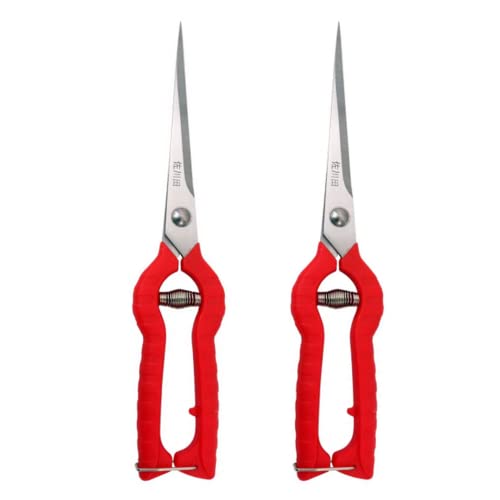
Total length : 245 mm blade length : 96 mm handle length : 122 mm closed handle width : 45 mm
Watering Requirements
You need to provide young fruit trees with adequate moisture to establish strong roots. Water deeply but infrequently to encourage deeper root growth. Aim for 1 to 2 inches of water per week, applying it during dry spells. Use a soaker hose or drip irrigation to ensure even distribution. Check the soil moisture by sticking your finger 2 inches into the soil; if it’s dry, it’s time to water.
Pruning Techniques
You should prune young fruit trees to encourage a strong structure and enhance airflow. Start by removing dead or diseased branches. Focus on shaping the tree into a central leader with side branches evenly spaced. Make cuts just above an outward-facing bud at a 45-degree angle. This directs growth outward and helps sunlight reach more leaves. Perform this pruning in late winter while trees are dormant for minimal stress.
Mulching Benefits
You can apply a layer of mulch around your young trees to retain moisture and suppress weeds. Use organic mulch, such as wood chips or straw, up to 3 inches thick, extending 2 to 3 feet from the base. Mulch helps regulate soil temperature and adds nutrients as it decomposes. Replenish it every spring to maintain coverage.
Conclusion
Growing fruit trees can be a rewarding journey filled with anticipation and joy. By understanding the factors that influence growth and following the care tips provided you can set yourself up for success. Remember that patience is key as each tree has its own timeline.
With proper care and attention you’ll be well on your way to enjoying fresh fruit right from your backyard. So grab your gardening gloves and get started on this fruitful adventure. Your future self will thank you when you’re savoring the delicious rewards of your hard work. Happy gardening!
Frequently Asked Questions
How long does it take for apple trees to bear fruit?
Apple trees typically take about 3 to 5 years to produce fruit, while dwarf varieties may yield fruit in just 2 to 3 years.
What factors affect the growth of fruit trees?
Key factors include climate, soil quality, variety of the tree, and environmental conditions like sunlight and temperature. Warmer climates usually promote quicker growth.
How can I speed up the growth of my fruit trees?
To enhance growth, ensure your trees receive adequate sunlight, water them thoroughly but infrequently, use balanced fertilizers, and maintain cleanliness to prevent pests and diseases.
What is the best soil type for fruit trees?
Well-draining, nutrient-rich soil is ideal for fruit trees. Incorporating organic matter, like compost, can improve soil quality and promote healthy growth.
How should I care for young fruit trees?
Regular care includes deep watering (1 to 2 inches weekly), appropriate pruning to encourage strong structure, and applying organic mulch to retain moisture and suppress weeds.
