

Have you noticed ants marching up your fruit trees? You’re not alone. Many gardeners face this pesky problem as ants can wreak havoc on your precious crops. They not only feed on the sweet sap but can also protect harmful pests like aphids, making your trees even more vulnerable.
Key Takeaways
- Understand Ant Impacts: Ants can harm fruit trees by feeding on sap and protecting harmful pests like aphids, which can lead to further damage.
- Identify Common Species: Familiarize yourself with common ant species such as Carpenter Ants, Sugar Ants, and Fire Ants to effectively manage their presence.
- Recognize Infestation Signs: Look for visible ants, honeydew residue, damaged fruit or leaves, and hollowed wood to identify ant infestations early.
- Utilize Effective Solutions: Implement organic methods like diatomaceous earth, soap and water sprays, and vinegar solutions, or resort to chemical treatments when necessary.
- Adopt Preventive Measures: Maintain tree health through regular pruning, efficient watering, and cleanliness to deter future ant infestations.
- Encourage Natural Predators: Attract beneficial insects that control pest populations and reduce the ants’ incentive to invade your fruit trees.
Understanding Ants and Their Impact on Fruit Trees
Ants frequently invade fruit trees and affect their overall health. Knowing how ants interact with these trees helps you manage their presence effectively.
Common Ant Species Found in Fruit Orchards
Several ant species commonly nest in or around fruit orchards:
- Carpenter Ants: These ants damage trees by hollowing out wood for nesting. They can weaken tree structures over time.
- Sugar Ants: Attracted to sweet substances, sugar ants feed on tree sap and can adversely affect fruit trees’ growth.
- Fire Ants: Known for their aggressive behavior, fire ants may sting and harm both fruit trees and gardeners.
Being aware of these species helps you identify their presence and take action.
The Role of Ants in the Ecosystem
Ants play essential roles in their ecosystems, including:
- Pest Control: Some ants prey on harmful pests like caterpillars, which can benefit fruit trees.
- Soil Aeration: Ants aerate soil as they build their nests, promoting healthy root growth.
- Seed Dispersal: Certain ant species assist in spreading seeds, contributing to plant diversity.
While ants can be beneficial, their protection of pests like aphids often leads to greater problems for fruit trees. Balancing their presence involves managing their impacts effectively.
Identifying the Problem
Spotting ants in your fruit trees means tackling potential damage to your crops. Ants can feed on sweet sap and protect harmful pests, so recognizing their presence is crucial for tree health.
Recommended Products

IMPRESSIVE TREE COVERAGE: Catchmaster's Tree Shield Insect Barrier is a heavy-duty crawling and flying insect trap. The tree shield measures 30 feet long, allowing you to protect more of your trees in less time. The 30-foot rolls can be easily cut to adapt to different tree and plant sizes throughout your property
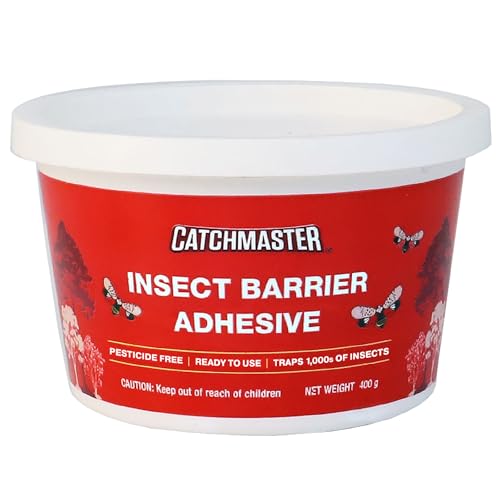
SAVE YOUR TREES: Our specially-formulated Insect Barrier Adhesive can be combined with standard plastic wrap to create tree band sticky traps for bugs. Tree bands are effective at controlling and monitoring invasive species like the spotted lanternfly, cankerworms, moths, black vine weevils, ants, caterpillars, and stink bugs, cicadas, cutworms and other crawling insects

Control diseases and insects in your garden with Captain Jack’s Fruit Tree Spray Concentrate! Use on a variety of listed fruits, nuts and citrus plants.
Signs of Ant Infestation on Fruit Trees
- Visible Ants: Look for trails of ants crawling along the tree trunk or branches. Detecting numerous ants often indicates an active infestation.
- Honeydew Residue: Check for a sticky substance on leaves or fruit, often caused by aphids and mealybugs. Ants are attracted to honeydew, indicating they may be near.
- Damaged Fruit or Leaves: Observe any signs of bite marks or discoloration on fruit and leaves. This damage can result from various pests that ants protect.
- Hollowed Wood: Examine the trunk for softened areas or hollowed spots. Carpenter ants can weaken tree structures, posing a risk to your fruit trees.
- Sweet Substances: Ants love sugary residues from ripe or fallen fruit. Maintain cleanliness under your trees to reduce attraction.
- Pest Presence: Aphids and similar pests create honeydew, inviting ants. Control these pests to lower ant numbers.
- Moist Environments: Ants thrive in damp areas. Keep irrigation in check to lessen moisture accumulation around your trees.
- Shelter: Ants seek safe places to nest, often in wood or soil nearby. Reducing potential nesting sites can help manage their presence.
Effective Methods to Get Rid of Ants from Fruit Trees
You can implement several methods to effectively eliminate ants from your fruit trees. The following sections detail both organic solutions and chemical treatments for managing ant populations.
Recommended Products

ATTRACTS & KILLS: Liquid ant bait stations provide comprehensive ant control, targeting common household ants including acrobat, crazy, ghost, little black, odorous house, and pavement ants throughout your home with effective ant traps indoor

TOTAL COLONY CONTROL: Outdoor ant killer intercepts ant colonies at their source, providing long-lasting pest control to intercept and target ants before they enter your home
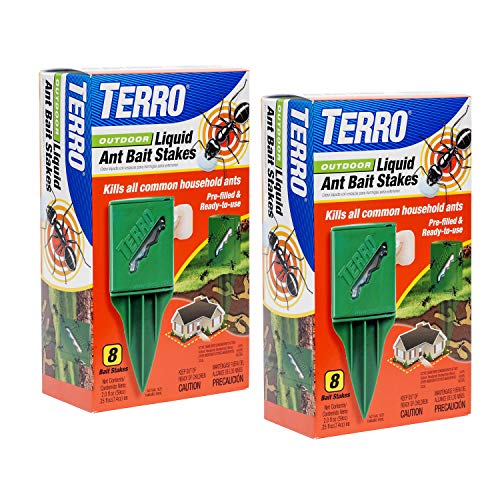
Attracts & Kills – Kills common household ants including acrobat, crazy, ghost, little black, odorous house, pavement, and other sweet-eating ants
Organic Solutions
- Diatomaceous Earth: Sprinkle food-grade diatomaceous earth around the base of the trees. This natural powder damages ants’ exoskeletons, causing dehydration and death when they walk through it.
- Soap and Water Spray: Mix equal parts of water and liquid soap in a spray bottle. Spray this solution directly on ant trails, aphids, or other pests. The soap suffocates pests and disrupts ant activity.
- Vinegar Solution: Combine one part water with one part vinegar in a spray bottle. Spray this solution on ant trails and near nests. Ants dislike the smell of vinegar, which can disrupt their navigation.
- Essential Oils: Use essential oils like peppermint or tea tree oil mixed with water. Spray this mixture around the trees. The strong scent deters ants while being safe for plants.
- Boric Acid Baits: Mix boric acid with sugar water to create baits. Place these near ant trails, but ensure they’re out of reach of pets and children. Ants are attracted to the sugar and take the boric acid back to their colony.
- Ant Baits: Use commercially available ant baits containing slow-acting poison. Place them near ant trails and infested areas. Ants carry the poisoned bait back to their nests, effectively reducing the colony.
- Insecticidal Sprays: Apply insecticidal sprays labeled for ant control on the trees. Always follow the manufacturer’s instructions to avoid damaging the fruit or the tree itself.
- Granular Pesticides: Spread granular pesticides around the base of the trees. These products penetrate the soil and target ant nests. Ensure they’re safe for use around edible plants.
- Barrier Treatments: Establish a barrier treatment by applying chemicals around the tree trunk. This helps prevent ants from climbing up the tree to reach the sap or aphids.
- Professional Pest Control: If ant problems persist, consider hiring a professional pest control service. Specialists can provide targeted treatments to eliminate ants effectively without harming your trees.
Preventive Measures for Future Infestations
Maintaining fruit trees requires consistent care and attention to prevent ant infestations. Implementing effective strategies safeguards your trees against these pests.
Recommended Products

PROTECT 60 TREES FROM LANTERNFLIES AND OTHER PESTS. This bug tape doesn't only work as a spotted lanternfly trap, it will catch any insect that crawls up or down trees, like ants, caterpillars, maggots and beetles.

Ample Supply: you will receive 6 rolls of spotted lanternfly trap tape, with each roll measuring about 30 feet/9 M in length; The ample supply ensures enough material to last an entire season, easily covering large areas in your garden, yard, or greenhouse

INCLUDES 4 ROLLS - Each roll contains 30 Feet of extra strength Tree Tape stopping Lantern flies at all stages. The 30-foot rolls can be easily cut to fit different tree sizes throughout your property. The W4W Tree Traps are water resistant and can weather most storms without a loss of glue or efficiency. It is also disposable with easy to tear paper.
Best Practices for Tree Care
- Prune Regularly: Cut back overgrown branches and remove dead wood. Healthy trees resist infestations better.
- Water Efficiently: Employ drip irrigation to reduce excess moisture. Avoid water pooling around the base to deter ants.
- Maintain Tree Health: Fertilize appropriately to encourage strong, resilient growth. A thriving tree is less appealing to ants and their pests.
- Clean Surroundings: Keep the area free of debris. Clear fallen fruit and other organic matter that can attract ants or pests.
- Mulch Strategically: Use mulch to help retain moisture and suppress weeds. However, ensure it’s not piled against the tree trunk, which can create hiding spots for ants.
- Create Barriers: Place a band of Tanglefoot or sticky tape around tree trunks. This prevents ants from climbing the tree and accessing fruit.
- Encourage Natural Predators: Attract beneficial insects like ladybugs and lacewings. These predators can help control aphid populations and reduce the ants’ incentive to protect them.
By focusing on best practices and environmental controls, you can effectively minimize the risk of future ant infestations in your fruit trees.
Conclusion
Dealing with ants in your fruit trees doesn’t have to be a daunting task. By staying vigilant and recognizing the signs of an infestation early on you can take action to protect your trees. Combining effective elimination methods with preventive measures will help ensure your fruit trees thrive.
Remember to keep your garden clean and maintain healthy trees through proper care. This not only minimizes ant attraction but also fosters a thriving ecosystem. With a little effort and the right approach you can enjoy the fruits of your labor without the worry of ant invasions. Happy gardening!
Frequently Asked Questions
What problems do ants cause for fruit trees?
Ants can damage fruit trees by feeding on sweet sap and protecting harmful pests like aphids, which threaten tree health. This interaction can lead to increased pest populations, often resulting in reduced crop yields.
Which ant species are common in fruit orchards?
Common ant species found in fruit orchards include Carpenter Ants, which weaken tree structures; Sugar Ants, attracted to sweet substances; and Fire Ants, known for their aggressive behavior and potential harm to tree health.
How can I recognize an ant infestation on my fruit trees?
Signs of an ant infestation include visible ant trails, honeydew residue on leaves or fruit, damaged fruit or leaves, and hollowed wood in the trunk. Observing these indicators can help you identify and address issues early.
What preventive measures can reduce ant attraction?
To reduce ant attraction, maintain cleanliness around trees, control pest populations, manage moisture levels, and minimize potential nesting sites. These steps are crucial for discouraging ant presence in your garden.
What are effective methods for eliminating ants from fruit trees?
Effective elimination methods include organic solutions like diatomaceous earth and soap sprays, as well as chemical treatments such as ant baits and insecticidal sprays. For persistent issues, hiring a professional pest control service is advisable.
How can I prevent future ant infestations in my fruit trees?
To prevent future infestations, practice regular tree care such as pruning, efficient watering, and proper fertilization. Keeping the surrounding area clean and using barriers like sticky tape can also deter ants from climbing the trees.
Are ants beneficial for gardening despite their negative impacts?
Yes, ants play essential roles in ecosystems by controlling pests, aerating soil, and dispersing seeds. However, their tendency to protect harmful pests like aphids can lead to greater problems for garden health.
