

Have you ever dreamed of plucking fresh mangoes right from your backyard? Growing your own mango tree can be an exciting adventure, but you might be wondering how long it takes before you can enjoy those juicy fruits.
Understanding the timeline for mango trees to bear fruit will help you plan your gardening journey better. In this article, you’ll discover the factors that influence fruiting time and tips to encourage a healthy, productive tree. Whether you’re a seasoned gardener or just starting out, you’ll find valuable insights to make your mango-growing experience a success.
Key Takeaways
- Timeframe for Fruiting: Mango trees typically take 3 to 6 years to produce fruit, depending on the variety and growing conditions.
- Variety Matters: Popular varieties like Alphonso, Haden, Kent, and Tommy Atkins have different timelines for bearing fruit; some mature faster than others.
- Optimal Growing Conditions: Full sun exposure, well-draining soil, and proper watering are essential for healthy mango tree growth and quicker fruit production.
- Care Routine: Regular watering, fertilization, and pest control significantly influence the health of the tree and its ability to bear fruit.
- Factors Influencing Growth: Tree age, climate, and care routine all impact how long it takes for a mango tree to produce fruit, highlighting the importance of tailored gardening practices.
Understanding Mango Trees
Mango trees thrive in warm climates and play a significant role in tropical and subtropical regions. They typically produce fruit over several years, influenced by various factors.
Types of Mango Trees
Mango trees come in several varieties, each with unique characteristics. Notable types include:
- Alphonso: Known for its sweetness and aromatic flavor, Alphonso ranks among the most popular varieties.
- Haden: This mango has a rich, sweet taste with a hint of tartness, making it a favorite for fresh eating.
- Kent: Kent mangoes are juicy and fiberless, perfect for smoothies and desserts.
- Tommy Atkins: This variety has a milder flavor and is widely available due to its disease resistance.
Understanding these varieties helps you choose the best mango tree for your garden or yard.
Growing Conditions
Mango trees require specific growing conditions to flourish and produce fruit effectively. Key requirements include:
- Sunlight: Full sun exposure of at least 6-8 hours daily promotes healthy growth.
- Soil: Well-draining soil, preferably sandy loam, supports strong roots and prevents waterlogging.
- Water: Young mango trees need regular watering to establish roots, while mature trees require less frequent watering. Aim for deep but infrequent watering.
- Temperature: Ideal temperatures range between 70°F to 85°F (21°C to 29°C), as cold snaps can harm the fruit and tree.
Creating the right environment ensures your mango tree thrives and produces fruit within just a few years.
Growing Process of Mango Trees
The growing process of mango trees involves distinct stages, from seed germination to sapling development. Understanding these stages helps you cultivate healthy trees that produce fruit efficiently.
Recommended Products

Miracle-Gro Indoor Potting Mix for Seed Starting grows stronger roots for seeding success (vs unfed when used as directed)

Premium Ingredients: Contains 80-90% fine Canadian sphagnum peat moss, complemented by top-quality fine horticultural perlite and vermiculite. Enhanced with calcitic and dolomitic limestone to stabilize pH and a wetting agent for uniform water distribution.

Ready to Use - Seed starter mix eliminates the need for complex soil preparation, making it a time-saving and effortless option
Seed Germination
Mango seed germination marks the beginning of your mango tree’s life. To germinate seeds, follow these steps:
- Extract Seeds: Remove the seed from a ripe mango and clean off any flesh.
- Prepare Seeds: Allow the seed to dry for a few days. You can soak it in water overnight to soften the outer shell.
- Plant Seed: Place the seed in a pot filled with well-draining soil, about 1 inch deep.
- Water: Keep the soil slightly moist, avoiding saturation. Watering once every few days works well.
- Light: Position the pot in a warm, sunny spot. Direct sunlight promotes healthy growth.
Germination occurs within 2 to 3 weeks, provided conditions remain ideal.
Sapling Development
Once seeds germinate, the sapling stage begins. Here’s how to ensure robust growth:
- Transplanting: Once the sapling reaches about 6 inches, transplant it into a larger pot or directly in the ground, ensuring sufficient space for roots.
- Watering: Water the sapling deeply but infrequently, encouraging strong root development.
- Fertilizing: Use a balanced fertilizer every 4 to 6 weeks. Fertilizers high in nitrogen promote healthy foliage.
- Sunlight: Ensure your sapling receives 8 to 10 hours of sunlight each day to strengthen its growth.
- Pruning: Prune as needed to remove dead or weak branches, allowing for better air circulation and light penetration.
Saplings typically take 3 to 5 years before they begin to bear fruit. Patience is key as you nurture your mango tree through its development stages.
Timeframe for Fruit Production
Mango trees typically require several years before they start producing fruit. Understanding the timeframe for fruiting helps you manage expectations and ensure proper care throughout the growth process.
Factors Affecting Time to Fruit
Several factors influence how long it takes for a mango tree to yield fruit:
- Variety: Different mango varieties mature at varying rates. Some produce fruit sooner than others.
- Growing Conditions: Optimal sunlight, well-drained soil, and adequate watering significantly affect fruit production times.
- Tree Age: Younger trees may take longer to bear fruit compared to mature ones.
- Climate: Mango trees thrive in warm climates. Cooler temperatures can delay fruiting.
- Care Routine: Regular pruning, fertilizing, and pest control improve tree health and fruit production speed.
Average Duration for Different Varieties
The average time for different mango varieties to bear fruit varies. Here’s a breakdown:
| Variety | Years to Fruit |
|---|---|
| Alphonso | 3-4 years |
| Haden | 4-6 years |
| Kent | 4-6 years |
| Tommy Atkins | 3-5 years |
Choosing the right variety based on your climate and garden conditions can enhance your mango-growing experience. Each variety offers unique flavors and characteristics, influencing your selection and expectations regarding fruiting timelines.
Care and Maintenance for Healthy Growth
Maintaining a mango tree properly ensures the best growth and fruit production. Focus on these key areas: watering, fertilization, pest control, and disease management.
Recommended Products

Gentle Plant Wash Made with Neem Oil & Peppermint Oil

FOR ORGANIC GARDENING: Use in & around the home & garden on roses, flowers, houseplants, ornamental trees & shrubs, fruits & vegetables
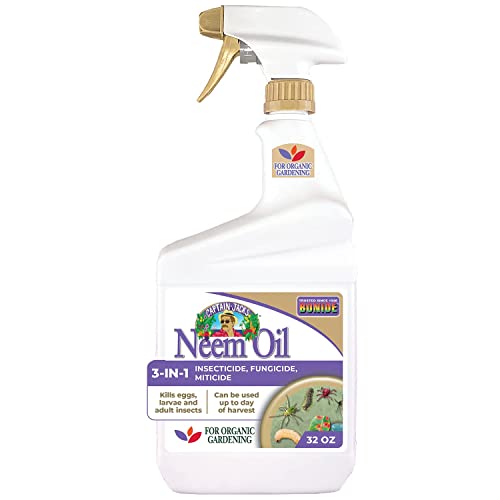
Protect your oasis with 3 garden products in 1 from Captain Jack’s; Bonide Captain Jack’s Ready-to-Use Neem Oil spray for plants is a multi-purpose fungicide, insecticide and miticide for your lawn & garden
Watering and Fertilization
Water regularly, especially during dry conditions. Mango trees require deep watering, ensuring the soil remains moist but not soggy. In the first few years, provide water every week. Once established, reduce watering to every two weeks.
Fertilize your mango trees to promote healthy growth. Use a balanced fertilizer with equal parts nitrogen, phosphorus, and potassium. Apply fertilizer twice a year, once in spring and once in summer. Follow the manufacturer’s guidelines for specific amounts. Organic options, like compost or well-rotted manure, can also enhance soil health.
Pest and Disease Control
Monitor your mango trees for pests. Common pests include aphids, scale, and mealybugs. Inspect leaves and fruits regularly. Use insecticidal soap or neem oil for treatment, ensuring you follow application instructions for effective results.
Prevent disease by ensuring proper air circulation around the tree. Keep the area around the mango tree clean by removing fallen leaves and debris. Watch for symptoms like yellowing leaves or black spots. Treat fungal diseases with a fungicide, applying as directed.
By prioritizing these care and maintenance tips, you’ll support your mango tree’s journey toward healthy growth and fruitful yields.
Conclusion
Growing a mango tree can be a rewarding journey filled with anticipation. With the right care and conditions you can look forward to enjoying delicious fruit in just a few years. Remember to choose a variety that suits your climate and be patient as your tree matures.
By nurturing your mango tree with love and attention you’ll not only enhance its growth but also increase your chances of a bountiful harvest. So keep an eye on those watering and fertilizing routines and don’t forget to enjoy the process. Before you know it you’ll be savoring the sweet taste of your very own mangoes. Happy gardening!
Frequently Asked Questions
How long does it take for a mango tree to bear fruit?
Mango trees typically take 3 to 6 years to start bearing fruit, depending on the variety and growing conditions. For example, Alphonso mangoes may bear fruit in 3-4 years, while Haden and Kent can take 4-6 years.
What are the best conditions for growing mango trees?
Mango trees thrive in warm climates with full sun exposure, well-drained soil, and regular watering. They prefer temperatures between 70°F and 100°F and require a balanced fertilizer applied twice a year for optimal growth.
How can I encourage my mango tree to produce fruit?
To encourage fruit production, ensure your mango tree receives adequate sunlight, water during dry periods, and provide balanced fertilizer. Regular pruning and monitoring for pests also contribute to healthy growth and fruit yield.
What factors affect the fruiting timeline of mango trees?
Several factors influence when mango trees bear fruit, including tree variety, climate conditions, tree age, and overall care routine. Each variety has a different growth pace, and creating optimal conditions aids in faster fruiting.
Are there different varieties of mango trees?
Yes, there are several varieties of mango trees, each with unique characteristics. Popular varieties include Alphonso, Haden, Kent, and Tommy Atkins, all offering different flavors and maturation times suitable for various climates and preferences.
