

Have you ever wondered how close you can plant fruit trees together without sacrificing their growth? It’s a common dilemma for gardeners looking to maximize space while ensuring healthy trees. Picture this: you’ve got a small backyard and dream of a thriving orchard, but you’re unsure how to arrange your trees for the best results.
Key Takeaways
- Understand Spacing Requirements: Proper spacing is essential for the healthy growth and fruit production of fruit trees; too close planting can harm trees.
- Spacing Guidelines Vary: Different varieties require specific distances; for example, standard apple trees need 15 to 20 feet apart, while dwarf varieties can be planted 6 to 10 feet apart.
- Consider Growth Factors: Tree size, root spread, and growth habits influence optimal spacing; ensure trees have adequate room for healthy development.
- Benefits of Adequate Spacing: Properly spaced trees improve air circulation, enhance sunlight exposure, and increase overall fruit quality and yield.
- Challenges of Crowding: Planting trees too close leads to competition for nutrients and heightened disease risk due to reduced airflow and moisture retention.
- Maximize Space with Strategies: Using companion planting, vertical gardening techniques, and choosing compatible plant pairings can enhance growth while conserving garden space.
Understanding Spacing Requirements
Proper spacing is crucial for healthy growth and fruit production in fruit trees. Planting too closely can lead to competition for nutrients and sunlight, resulting in stunted growth.
Recommended Products
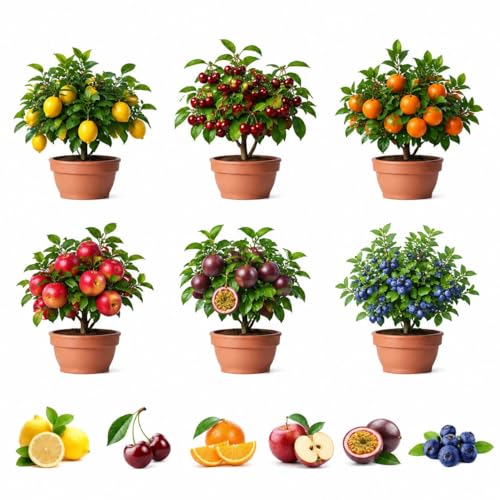
Comprehensive Fruit Variety Pack: This collection features 180 total seeds including 40 Lemon, 40 Orange, 40 Apple, 40 Passion Fruit, 10 Cherry, and 10 Blueberry seeds for a diverse home orchard experience

4 kinds of the most popular fruits, individually packaged, 50pcs Lemon seeds 50pcs Cherry seeds 50pcs Orange seeds 50pcs Apple seeds Fresh seeds, all fruit seeds are packed in tear and moisture resistant zipper sealed bags for your long term storage.

Reusable Mesh Material: These fruit protection bags are made of polyester, they are sturdy, lightweight, soft it won't hurt the fruit when putting it. This garden netting bags are green in color to help fool the birds and squirrels.
Factors Influencing Fruit Tree Spacing
- Tree Size: Standard-sized trees need more space than dwarf varieties. Standard trees may require 20 to 25 feet apart, while dwarf trees can thrive at 6 to 10 feet apart.
- Root Spread: Understanding the root system helps in determining spacing. Roots typically extend as far as the tree’s canopy. Consider the expected spread when deciding on distances.
- Growth Habit: Some trees grow wider than others. For instance, apple trees often spread wider than peach trees. Take growth habit into account to avoid overcrowding.
- Pollination Needs: Certain trees require a pollinator to produce fruit. If planting pollinator trees, maintain adequate spacing to ensure effective cross-pollination.
- Soil Quality: Nutrient-rich soil can support closer planting, while poor soil calls for more distance. Test soil health to adjust your spacing accordingly.
| Fruit Tree | Recommended Spacing |
|---|---|
| Apple | 15 to 20 feet |
| Peach | 15 to 25 feet |
| Cherry | 20 to 30 feet |
| Pear | 15 to 20 feet |
| Plum | 15 to 20 feet |
| Fig | 10 to 15 feet |
| Citrus (Lemon) | 10 to 15 feet |
| Avocado | 15 to 20 feet |
Choosing the right spacing ensures each tree can thrive without hindrance. This guidance helps in planning an orchard that’s both productive and healthy, allowing for maximum fruit yield in your garden.
Benefits of Proper Spacing
Proper spacing between fruit trees boosts their health and productivity. Allowing adequate room for each tree supports growth and enhances fruit quality.
Improved Air Circulation
Improved air circulation occurs with optimal spacing. Trees positioned too closely promote humidity and create a favorable environment for pests and diseases. Maintaining space prevents fungal infections and allows trees to dry out properly. For example, spacing apple trees 15 to 20 feet apart promotes efficient airflow, reducing the risk of apple scab and other diseases.
Enhanced Sunlight Exposure
Enhanced sunlight exposure maximizes fruit production. Each tree requires access to sunlight for photosynthesis. When trees are too close, shading occurs, leading to reduced fruit yield. For instance, keeping peach trees at least 12 to 15 feet apart ensures that each tree receives adequate sunlight, resulting in healthier fruit and a more abundant harvest.
Challenges of Crowded Planting
Planting fruit trees too close together creates several challenges that can hinder growth and fruit production. Understanding these hurdles helps you make informed decisions for your orchard.
Competing for Nutrients
Fruit trees require nutrients from the soil to thrive. When trees are planted in close proximity, they compete for these essential resources. This competition can lead to nutrient deficiencies, stunted growth, and poor fruit quality. For example, if you plant apple trees just 6 feet apart, they may struggle to access adequate nitrogen and potassium, essential for healthy foliage and fruit. To maintain strong, productive trees, consider spacing them according to their needs—allowing 15 to 20 feet between apple trees fosters better nutrient absorption and growth.
Increased Risk of Disease
Crowded planting raises the likelihood of disease due to poor air circulation and high humidity levels. When trees are too close, moisture can linger on leaves and fruit, fostering conditions for fungal infections and pests. For instance, peach trees spaced too closely may experience an increase in brown rot, a common disease that affects fruit. Ensuring proper spacing, typically 12 to 15 feet apart for peach trees, enhances airflow and reduces disease prevalence, keeping your orchard healthy and vibrant. By prioritizing the right plant distances, you minimize risks and promote fruitful growth.
Tips for Planting Fruit Trees Together
Planting fruit trees close together requires strategic planning to ensure healthy growth and fruitful harvests. Follow these tips to maximize space while promoting optimal tree health.
Recommended Products
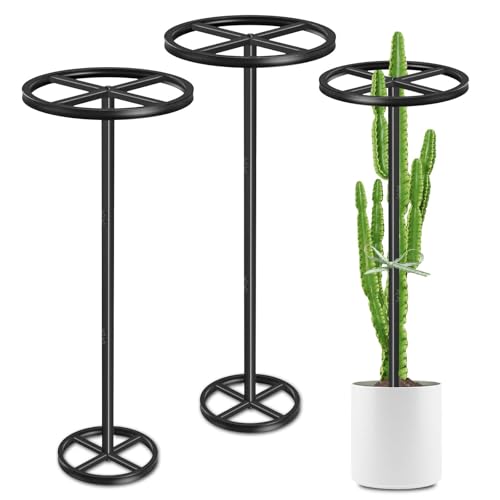
Durable Materials:This dragon fruit rack is manufactured from premium metal with precision welds and a professional powder-coated finish, this dragon fruit plant support ensures outstanding strength and durability for both indoor and outdoor applications

Companion Planting Strategies
Companion planting enhances growth and pest control. Pair compatible fruit trees to promote mutual benefits.
- Apple and Cherries: Planting apple trees alongside cherry trees can attract pollinators, improving fruit set for both.
- Peaches and Plums: These trees thrive in similar conditions and create a diverse habitat for beneficial insects.
- Citrus Trees: Pair various citrus trees, such as lemon and lime, to create a microclimate that boosts humidity and temperature regulation.
Choose plants that share similar water and light needs for optimal results.
Utilizing Vertical Space
Vertical gardening techniques can significantly increase your planting efficiency.
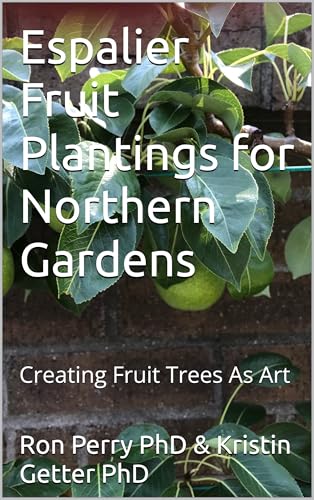
- Espalier: Train trees to grow against a wall or trellis by pruning and tying branches in a horizontal manner. This technique works well with apple and pear trees.
- Columnar Varieties: Use narrow, columnar cultivars that grow upright rather than wide, allowing you to plant multiple trees in a tighter space.
- Training: With careful pruning, adjust tree height and branching to optimize light exposure without sacrificing air circulation.
Incorporating vertical strategies maximizes available space and promotes better fruit production while minimizing competition between trees.
Conclusion
Planting fruit trees close together can be a tricky balance between maximizing space and ensuring healthy growth. By understanding the specific needs of each tree type and following spacing guidelines, you can create a thriving orchard even in a small backyard.
Remember that proper spacing not only supports tree health but also boosts fruit production and reduces the risk of disease. Don’t hesitate to get creative with companion planting and vertical techniques to make the most of your garden. With a little planning and care, you can enjoy a bountiful harvest for years to come. Happy gardening!
Frequently Asked Questions
What are the key factors to consider when planting fruit trees in limited space?
The main factors include tree size, root spread, growth habit, pollination needs, and soil quality. Dwarf varieties require less space than standard ones, with recommended distances varying widely depending on the tree type.
How far apart should common fruit trees be planted?
For apple and pear trees, plant them 15 to 20 feet apart. Fig and citrus trees should be spaced 10 to 15 feet apart, while peach trees should have at least 12 to 15 feet of space to thrive effectively.
What are the benefits of proper spacing for fruit trees?
Proper spacing improves air circulation, reduces disease risk, and enhances sunlight exposure, which are crucial for healthy growth and maximum fruit yield. It also prevents competition for nutrients and water among trees.
What are the risks of planting fruit trees too closely together?
Trees that are too close compete for nutrients and sunlight, leading to poor growth and low fruit quality. Crowding can increase humidity, raising the risk of diseases like apple scab and brown rot.
How can I maximize vertical space in my garden for fruit trees?
Utilize techniques like espalier, which trains trees to grow against a wall or trellis, and opt for columnar varieties that grow upright. These methods allow for efficient planting and can lead to better fruit production.
What is companion planting in relation to fruit trees?
Companion planting involves pairing compatible fruit trees to enhance growth and pest control. For instance, apple trees paired with cherry trees attract pollinators, while peaches and plums thrive together in similar conditions.
