

Have you ever planted a fruit tree only to watch it struggle to bear fruit? You’re not alone. Many gardeners face this frustrating situation, wondering what went wrong. Whether you’re a seasoned pro or just starting out, getting your fruit trees to produce can feel like a puzzle.
Key Takeaways
- Understand Growth Stages: Familiarize yourself with the distinct growth stages of fruit trees: dormancy, flowering, and fruiting, to effectively encourage fruit production.
- Select Appropriate Varieties: Choose fruit tree varieties that are well-suited to your specific climate and soil conditions to optimize yield.
- Ensure Soil Quality: Maintain healthy soil with good drainage, appropriate pH levels (6.0-7.0), and essential nutrients to support robust tree growth.
- Optimize Sunlight and Watering: Provide at least 6-8 hours of sunlight daily and implement consistent watering practices, especially during dry periods, to enhance fruit development.
- Prune and Fertilize Regularly: Use proper pruning techniques and timely fertilization to encourage healthy growth, improve airflow, and boost fruit yield.
- Address Challenges Proactively: Be aware of potential pests, diseases, weather impacts, and take appropriate measures, such as using organic treatments and selecting climate-suitable varieties, to protect your fruit trees.
Understanding Fruit Tree Growth
Understanding how fruit trees grow helps you identify ways to encourage fruit production. Various factors play a significant role in this process.
The Basics of Fruit Tree Biology
Fruit trees go through distinct growth stages, including dormancy, flowering, and fruiting. During dormancy, trees conserve energy and prepare for the next growing season. After the cold months, trees bloom, producing flowers, which are crucial for fruit development. Pollination, often facilitated by insects, leads to fruit set when fertilized flowers transform into fruit.
Factors Influencing Fruit Production
Several elements affect fruit production in trees:
- Tree Variety: Different fruit tree species have unique growing requirements and harvesting times. Select varieties suited for your climate and soil type.
- Soil Quality: Healthy soil supports robust growth. Ensure good drainage, appropriate pH levels, and adequate nutrients for optimal development.
- Light Exposure: Most fruit trees need full sun, ideally 6-8 hours daily. Proper sunlight enhances photosynthesis, promoting flowering and fruiting.
- Watering Practices: Consistent watering is crucial. It keeps the soil moist but not waterlogged. During dry periods, young trees require more frequent watering.
- Fertilization: Apply fertilizers based on your soil’s nutrient levels. Use balanced fertilizers to ensure healthy growth and fruit production.
- Pruning Techniques: Regular pruning encourages air circulation and light penetration. Remove dead or diseased branches to improve overall tree health.
By understanding these factors, you can create a thriving environment that encourages your fruit trees to bear fruit.
Essential Care for Fruit Trees
Caring for fruit trees is crucial to encourage healthy growth and fruit production. Focus on proper techniques for pruning and fertilization to see fruitful results.
Recommended Products

IDEAL BRANCH TRIMMER: Fiskars 28-Inch Power-Lever Bypass Garden Lopper glides through branches up to 1.75" thick for easy cuts; Works well for trimming tree branches to maintain your yard and garden and encourage overall plant health and appearance


IDEAL BRANCH TRIMMER: 28" Steel blade garden bypass lopper that glides through up to 1.5" thick branches for easy cuts; Works well for trimming tree branches to maintain your yard and garden, and to encourage overall plant health and appearance
Pruning Techniques for Better Yield
Pruning promotes growth and enhances fruit production. Use these effective pruning techniques:
- Timing: Prune during late winter or early spring, before new buds form.
- Tools: Use clean, sharp tools like pruning shears and loppers for clean cuts.
- Deadwood Removal: Remove dead, damaged, or crossing branches to improve airflow.
- Thinning: Thin out crowded branches, allowing light to reach inner growth and fruit.
- Shaping: Shape trees to encourage open centers, enhancing sunlight penetration and air circulation.
Fertilization Practices to Boost Production
Fertilizing your trees supports healthy growth and boosts fruit yield. Consider the following practices:
- Soil Testing: Conduct a soil test to determine nutrient deficiencies and pH levels.
- Organic Fertilizers: Use organic options like compost, manure, or fish emulsion for sustainable nourishment.
- Timing: Fertilize in early spring as trees begin to grow, following up with a second application in midsummer.
- Watering: Water thoroughly after fertilizing to help nutrients reach the roots.
- Application Rates: Apply fertilizers according to the tree’s size and age; smaller trees need less than mature ones.
By applying these pruning and fertilization techniques, you enhance the health of your fruit trees, paving the way for a bountiful harvest.
Environmental Considerations
Fruit trees thrive in specific environmental conditions that influence their ability to produce fruit. Understanding soil quality, sunlight, and water requirements helps create an optimal setting for your trees.
Recommended Products
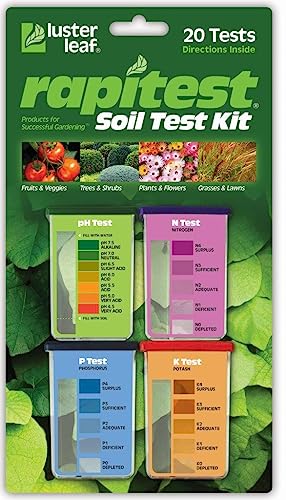
Quick, at home results for Soil pH, Nitrogen, Phosphorous and Potash Innovative and inexpensive soil test kit features an easy-to-use capsule system and patented color comparators

Comprehensive Soil Analysis: Liquid soil test kits offer a comprehensive analysis of essential soil parameters, including pH, ammonia, nitrogen, phosphorus, and potassium. Having all these measurements in one kit provides a holistic understanding of the soil's fertility and health.

KNOW BEFORE YOU GROW | Grow the healthiest, sustainable lawn and garden with the most accurate and easy to use professional soil test kit on the market
Soil Quality and Nutrients
Soil quality significantly affects fruit tree growth and fruit production. Ensure your soil has good drainage, as waterlogged soil can harm root systems. Conduct a soil test to assess pH and nutrient levels.
- pH Levels: Aim for a pH range between 6.0 and 7.0 for optimal nutrient availability. Adjust using lime to raise pH or sulfur to lower it.
- Organic Matter: Incorporate compost or well-rotted manure to enhance soil fertility. This improves moisture retention and nutrient content.
- Nutrients: Regularly check nitrogen, phosphorus, and potassium levels. Use balanced fertilizers based on soil test recommendations—look for fertilizers with a ratio close to 10-10-10.
Sunlight and Water Requirements
Sunlight and water play critical roles in fruit development. Proper exposure and consistent moisture are key to healthy, productive trees.
- Sunlight: Most fruit trees require at least 6 to 8 hours of direct sunlight daily. Select a planting site away from taller trees or structures that cast shade.
- Watering: Water young trees weekly, providing 1 to 2 inches per week. Once established, watering frequency may reduce. Use a soaker hose to deliver moisture directly to the roots and prevent evaporation.
- Mulching: Apply a 2 to 4-inch layer of organic mulch around the base of your trees. This retains moisture, suppresses weed growth, and adds nutrients as it decomposes.
By addressing soil quality, nutrient balance, sunlight exposure, and water needs, you create a supportive environment for your fruit trees to flourish and produce abundant fruit.
Common Challenges in Fruit Production
Gardening offers rewards, but challenges can arise when trying to get fruit trees to produce. Understanding these common issues helps you address them effectively.
Pests and Diseases
Pests and diseases pose significant threats to fruit production. Common pests include aphids, spider mites, and fruit beetles. These insects suck sap or damage fruits directly. Diseases like powdery mildew and root rot can stunt growth or kill trees.
To combat pests, use insecticidal soaps or introduce beneficial insects like ladybugs. Regularly inspect your trees for signs of infestations. For diseases, maintain good airflow around branches and remove any affected leaves. Implement organic fungicides as a preventive measure against fungal infections.
Weather and Climate Impacts
Weather and climate affect fruit tree growth directly. Frost during flowering can kill blossoms, while extreme heat may stress trees and reduce fruit set. Heavy rainfall can lead to issues like root rot or increased pest populations.
To mitigate these impacts, choose tree varieties suited for your climate zone. Protect blossoms with row covers during late frosts. During heatwaves, ensure consistent watering—this means providing at least 1 to 2 inches of water per week. Check local forecasts and adjust your care practices accordingly to support your trees through varied weather conditions.
Conclusion
With a little patience and care you can turn your fruit trees into productive powerhouses. By understanding their growth stages and addressing key factors like soil quality light exposure and proper watering you’re setting the stage for success.
Don’t forget the importance of pruning and fertilization to enhance your trees’ health and yield. Keep an eye out for pests and environmental challenges that might hinder production.
By creating a supportive environment you’ll not only enjoy the beauty of your trees but also the delicious fruits they’ll provide. Happy gardening and enjoy the fruits of your labor!
Frequently Asked Questions
Why aren’t my fruit trees producing fruit?
Many factors can affect fruit production in trees, including tree variety, soil quality, and environmental conditions. Ensure your trees are receiving adequate sunlight, water, and nutrition, along with proper pruning. Identifying and addressing these elements can encourage better fruit yield.
What are the stages of fruit tree growth?
Fruit trees typically go through three main stages: dormancy, flowering, and fruiting. During dormancy, the tree rests. In the flowering stage, blossoms develop, leading to fruiting when the pollination occurs. Understanding these stages can help optimize care and support fruit production.
How does soil quality affect fruit trees?
Soil quality plays a crucial role in fruit tree health. It should have good drainage, a pH level between 6.0 and 7.0, and contain organic matter to provide essential nutrients. Testing your soil and making necessary amendments can significantly improve fruit yield.
What are the best fertilization practices for fruit trees?
For effective fertilization, conduct soil tests to determine nutrient needs. Use organic fertilizers, apply them in early spring and midsummer, and water thoroughly after application. Adjust the amount based on the size and age of the tree for optimal results.
How do I properly prune my fruit trees?
Prune your fruit trees in late winter or early spring using clean tools. Focus on removing deadwood, thinning crowded branches, and shaping trees for better light and air circulation. This practice enhances overall growth and fruit production.
What are common pests that affect fruit trees?
Common pests include aphids, spider mites, and various diseases like powdery mildew. To combat these issues, use insecticidal soaps, introduce beneficial insects, and ensure good air circulation around the trees to keep pests at bay.
How much sunlight do fruit trees need?
Fruit trees require at least 6 to 8 hours of sunlight daily for optimal growth and fruit production. Adequate sunlight helps with photosynthesis, which is essential for developing healthy fruit and foliage.
What should I do during extreme weather conditions?
During extreme weather, protect your trees by choosing varieties suited for your climate zone. Shield blossoms from late frosts and ensure consistent watering during heatwaves. These measures will help maintain tree health and improve fruit yield.
