

Are your new fruit trees struggling to stand tall? You’re not alone. Many gardeners face the challenge of ensuring their young trees grow strong and healthy. Staking can provide the support they need, especially in windy areas or when they’re just starting out.
Key Takeaways
- Understanding Staking’s Importance: Staking is crucial for new fruit trees, providing necessary support to ensure stability and encourage strong root and trunk development.
- Choose Appropriate Stakes: Select sturdy materials like wood or metal, with stakes between 6-8 feet tall and 2-4 inches in diameter, to effectively support young trees.
- Commit to Proper Positioning: Position stakes 1-2 feet away from the trunk, ideally on the windward side, ensuring they are buried securely for stability.
- Employ Correct Staking Techniques: Utilize single or double stake methods, attaching trees with soft ties to allow for growth while preventing damage.
- Monitor and Adjust Regularly: Regularly check your attached stakes and ties, making necessary adjustments to accommodate tree growth and ensure healthy development.
- Avoid Common Mistakes: Be mindful of using the wrong stake material, improper positioning, or tight ties, as these can hinder the growth and health of your fruit trees.
Understanding The Importance Of Staking
Staking new fruit trees supports their growth and development, particularly in challenging conditions like strong winds. Staking provides necessary stability for young trees, helping them establish strong root systems.
Benefits Of Staking
- Wind Resistance: Staking protects trees from wind damage. It prevents the trunks from bending or breaking during storms. A securely staked tree stands a better chance of surviving harsh weather.
- Upright Growth: Staking encourages vertical growth rather than lateral. Trees naturally grow taller and healthier when staked properly. This upright position fosters better sunlight exposure and air circulation.
- Root Development: Staking allows roots to focus on growth. When trees aren’t swaying in the wind, they can establish a robust root system without unnecessary stress. Strong roots support overall tree health.
- Preventing Damage: Staking prevents physical damage, such as abrasion or loss of bark. Young trees are vulnerable, and protecting them aids in their healthy development.
When To Stake
Staking is particularly critical during the first year after planting. Newly planted trees often require support to adapt to their environment. Consider staking if:
- The tree is taller than 3 feet.
- You’re in an area with frequent heavy winds.
- The soil is loose, making it difficult for trees to remain upright.
- Select the Right Stakes: Use sturdy materials like wood or metal. Stakes should be at least 1-2 inches in diameter for adequate support.
- Position The Stakes: Place stakes 1-2 feet away from the trunk. Ensure they are in alignment with the prevailing wind direction.
- Attach With Care: Use soft ties or materials that won’t damage the bark. Avoid tight bindings; allow some movement for natural growth.
- Monitor And Adjust: Regularly check the stakes and adjust if necessary. Remove the stakes after one growing season to promote natural tree stability.
Properly staking your new fruit trees ensures they grow strong and healthy, ready to bear fruit for years to come.
Choosing The Right Stakes
Selecting the right stakes is essential for supporting your young fruit trees effectively. You’ll want sturdy options that align with your trees’ specific needs to ensure they grow strong.
Recommended Products
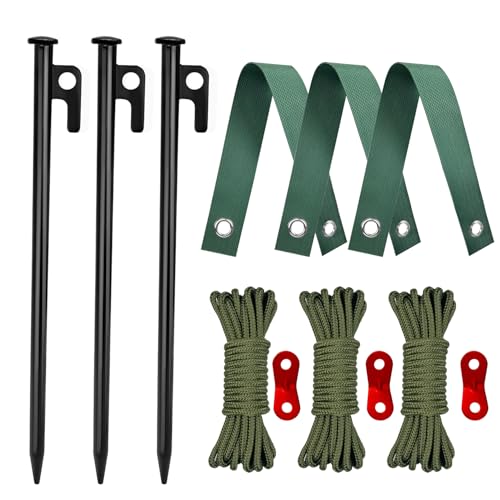
【Value Package】Package comes with 3pcs tree stakes,3pcs tree straps for staking and 3pcs ropes (each 13ft) with 3pcs aluminium tensioners. Complete tree stake kit enable your saplings to grow straight and healthy even in windy conditions

Protect Young Trees from Bad Weather: Tree stake kits are typically used when planting young trees, particularly those with small or shallow root systems, in order to provide support and promote healthy growth. Young trees are more susceptible to wind damage than mature trees, FCENDS tree stake kit can help to support the tree and prevent it from leaning or tipping over in high winds.

Perfect Tree Staking Kit: Our tree stake straight kits set includes 3 PCS tree strap ties for staking, 3 PCS steel tree stakes, and a 31.2 feet length rope for anchoring. Detailed instructions are included in the product packaging. This is a complete kit that you don't need to buy any other related accessories.
Types Of Stakes
- Wooden Stakes: Common and affordable, wooden stakes offer durability and good support. Use untreated wood to prevent chemical leaching into the soil.
- Metal Stakes: These provide excellent strength and stability. Metal stakes resist bending and can withstand harsh weather conditions.
- Plastic Stakes: Lightweight and easy to handle, plastic stakes resist rot. However, they may not provide as much support as wood or metal.
- Composite Stakes: Made from recycled materials, composite stakes combine durability with environmental benefits. They resist rot and pests while offering solid support.
- Length: Choose stakes that are at least 6 to 8 feet tall. This height ensures they can support taller trees and penetrate the soil adequately.
- Thickness: Thicker stakes provide better support. A diameter of 2 to 4 inches works well for most young trees.
- Durability: Opt for materials that withstand the elements. Consider stakes with a weather-resistant coating, especially where heavy winds or rain are common.
- Flexibility: Select stakes that allow for slight movement. This flexibility encourages natural trunk strengthening without causing injury.
Consider these factors to choose the best stakes for your young fruit trees, ensuring they receive the support they need during their crucial growth phase.
Staking Techniques For New Fruit Trees
Staking new fruit trees effectively provides essential support for their growth. Several methods exist to ensure stability and promote upright growth.
Recommended Products

Perfect for Bad Weather: If you are searching for a tree stakes kit that can provide strong support to your young trees, you can never go wrong with our tree straps for staking, With a little care and attention, the tree straps will help you to grow beautiful, healthy trees

14 PCS TREE STRAPS FOR STAKING — VALUE PACK — This tree staking kit includes 14 heavy duty tree ties, enough to stake 4–7 young trees at once (use 2–3 tree straps per tree). Each tree stake strap measures 15.8 inches long × 1.5 inches wide, the ideal size for saplings, fruit trees, newly planted ornamentals, and shrubs in your yard, orchard, or nursery.

What You Get: Our tree stakes kits includes 3PCS 12-inch steel tree stakes,3PCS 15.8-inch tree strap and 1PCS 32.8-feet anchor ropes, the tree straightening kit are perfect for both large and young trees. There are no extra other related accessories to buy.
Single Stake Method
The single stake method supports a young tree with one stake placed on the windward side.
- Select the Stake: Choose a sturdy stake, ideally 6 to 8 feet tall and 2 to 4 inches in diameter.
- Position the Stake: Drive the stake into the ground about 6 to 12 inches from the tree trunk. Ensure it’s deep enough to withstand strong winds.
- Attach the Tree: Use a soft tie, like nylon or rubber, to secure the tree to the stake. Wrap the tie around the trunk, leaving enough room for growth, and then attach it to the stake.
- Monitor Regularly: Check the connection periodically. As the tree grows, adjust the tie to avoid injury and ensure proper support.
Double Stake Method
The double stake method uses two stakes for added stability, ideal for taller or more susceptible trees.
- Select the Stakes: Choose two stakes of equal height and thickness as with the single stake method.
- Position the Stakes: Place the stakes 6 to 12 inches from the tree trunk at a 45-degree angle opposite each other. Drive them about 12 inches into the ground.
- Attach the Tree: Use two soft ties to secure the tree to the stakes. Attach the ties around the trunk, ensuring room for growth, and connect each tie to its corresponding stake.
- Monitor Regularly: Similar to the single stake method, check the attachments and adjust as necessary to prevent damage.
With these techniques, you provide the necessary support for your new fruit trees while allowing them to develop a strong root system and grow upright.
Best Practices For Staking
Staking young fruit trees correctly ensures they grow strong and healthy. Here are key practices to follow.
Recommended Products

Superior Strength: With a tensile strength of 2,425 lbs, the tree saver straps provide secure support without harming the tree. Built to withstand all weather conditions, including heavy snow, strong winds, and hurricanes, it ensures long-lasting durability

Everything You Need is Included - Steel tree stake kits includes 3 steel stakes (11.8 inch), 3 straps (15.75 inch), and 3 ropes (13.12 FT) for anchoring. The diameter 4mm ropes come with aluminium tensioners for quick set up. Strong metal stakes without the worry of breaking in half or bending like plastic stakes, enough to hold the tree firmly. The straps are wide enough to spread the load so there's little chance that it will damage the bark or constrict the tree in any way
Perfect for Bad Weather: If you're looking for a tree stakes kit that provides strong support to your young trees, our tree straps for staking are a great choice. With a little care, they help your trees grow strong and healthy
Timing Your Stake
Stake your tree immediately after planting. Early support helps establish a solid foundation for growth. If you notice the tree is leaning or encountering tough weather conditions, stake it right away. The first year is crucial, so aim for consistent monitoring during this period. If your area experiences strong winds, consider staking taller trees from the moment they go into the ground.
Adjusting The Stake As The Tree Grows
Regularly check the stakes and adjust them as needed. As the tree matures, it requires less support. Loosen ties to prevent restricting trunk growth. Monitor growth every few weeks during the initial stages. Remove stakes when the tree stands upright independently, usually within one to three years. Keep an eye out for any signs of damage from the staking. Adjusting the stake promotes healthy development and a strong trunk.
Common Mistakes To Avoid
Staking new fruit trees requires careful attention to details. Avoid these common mistakes to ensure your trees thrive.
Choosing the Wrong Stake
- Material: Don’t overlook the stake material. Wood might rot, while metal can bend. Select durable options like composite materials for longevity.
- Size: Avoid using stakes that are too short or thin. Stakes should be 6 to 8 feet tall and 2 to 4 inches in diameter for optimal support.
Improper Positioning
- Windward Side: Don’t skip placing the stake on the windward side of the tree. This positioning provides critical support against strong winds.
- Depth: Avoid shallow placement. Bury stakes at least 2 feet deep to enhance stability.
Incorrect Attachment
- Ties: Don’t use tight ties that restrict trunk growth. Opt for loose, adjustable ties made from soft materials to allow for natural movement.
- Height: Avoid attaching the ties too high. Secure them approximately one-third of the way up the trunk for better support.
Neglecting Regular Monitoring
- Check Frequent Gaps: Don’t forget to inspect your tie adjustments regularly. If ties are too tight, loosen them to avoid girdling the trunk.
- Look for Damage: Watch for signs of trunk damage. Regular checks help ensure that your staking supports healthy tree growth.
- Timing: Don’t keep stakes attached for more than three years. Remove them once the tree can stand independently, usually within one to three years.
- Adjustment: Avoid leaving stakes in place without adjustments. As the tree grows, ensure stakes allow for expansion and movement.
By steering clear of these mistakes, you enhance the chances of your new fruit trees growing strong and healthy. Keep these considerations in mind as you stake your trees.
Conclusion
Staking your new fruit trees is a simple yet effective way to ensure they grow strong and healthy. By providing the right support during their early stages you’re setting them up for a fruitful future. Remember to choose the proper stakes and techniques that suit your tree’s specific needs.
Regular monitoring and adjustments will help your trees thrive without hindrance. As they grow stronger and more stable you can remove the stakes, allowing them to stand tall on their own. With a little effort and attention your fruit trees will flourish and reward you with bountiful harvests for years to come. Happy planting!
Frequently Asked Questions
Why is staking important for young fruit trees?
Staking is essential for young fruit trees as it provides stability, especially in windy conditions. It helps the trees grow upright, promotes healthy root development, and prevents physical damage, allowing them to establish strong root systems.
When should I stake my young fruit trees?
It’s best to stake young fruit trees immediately after planting, particularly during their first year. This is especially crucial for taller trees or those in areas prone to high winds to ensure they grow straight and healthy.
What type of stakes should I use for my trees?
Choose stakes that are 6 to 8 feet long and 2 to 4 inches thick. Wooden, metal, plastic, or composite stakes are good options, but prioritize durability and flexibility to allow for the tree’s natural trunk strengthening.
What are the common staking techniques?
The single stake method uses one stake on the windward side of the tree, while the double stake method employs two stakes for added stability. Both methods involve careful positioning and attachment to support the tree’s upright growth.
How do I know when to remove the stakes?
Remove the stakes once the tree can stand upright on its own, which is typically within one to three years. Regularly monitor the tree’s growth and make adjustments as needed, ensuring the stakes don’t restrict trunk development.
What mistakes should I avoid when staking trees?
Common mistakes include using the wrong stake material or size, improper positioning, incorrect attachment methods, and neglecting regular monitoring. Avoiding these errors ensures your young fruit trees grow stronger and healthier, ready to bear fruit in the future.
