

Have you ever wondered how to grow your own sweet and juicy honeydew melons right in your backyard? Picture this: on a warm summer day, you step outside, pluck a fresh honeydew from the vine you cultivated yourself. Imagine the satisfaction of enjoying this delicious fruit that you nurtured from just a tiny seed.
In this article, I’ll show you the simple yet rewarding process of growing honeydew from fresh seeds. You’ll discover practical tips and tricks to help you successfully cultivate these delectable melons at home. Get ready to experience the joy of harvesting your very own organic honeydew fruits while adding a touch of freshness to your garden.
Key Takeaways
- Choose the right honeydew seeds based on varieties that suit your preferences and climate for a successful harvest.
- Prepare well-draining soil rich in organic matter with proper pH levels (6.0-6.5) and full sun exposure for optimal growth conditions.
- Plant honeydew seeds in the spring after frost, ensuring warm soil temperatures (70-90°F) and adequate spacing for healthy vine development.
- Care for your honeydew plants by maintaining consistent moisture levels, fertilizing appropriately, and weeding regularly to support growth and fruit production.
- Be mindful of common challenges like pests and diseases by inspecting plants regularly, using natural pest control methods, practicing crop rotation, and applying fungicides preventatively.
- Harvest ripe honeydews based on color, texture, smell, and sound indicators; use sharp tools for cutting stems, pick in the morning, store at room temperature until fully ripened before refrigerating.
Choosing the Right Honeydew Seeds
When it comes to growing honeydew melons, selecting the right seeds is crucial for a successful harvest. Here’s what you need to consider:
Recommended Products

Beautiful - Large individual packet of Green Honeydew Melon (Cucumis melo) seeds. Grow an abundant harvest of sweet melons. Each plant grows vigorously and produces 2-4 melons. Minimum of 1.5g per packet (about 50 seeds).

HEIRLOOM MELON SEED VARIETY PACK – Honey Rock and Hales Best cantaloupe (Cucumis melo var. cantalupensis), honeydew (C. melo var. inodorus), plus Yellow Petite, Tendersweet Orange, and Georgia Rattlesnake watermelon (Citrullus lanatus)
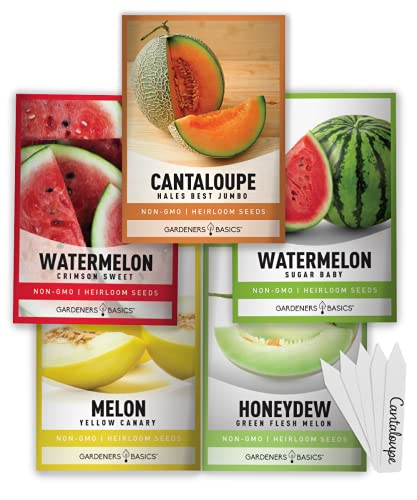
Five melon varieties: Grow cantaloupe, honeydew, canary melon and two kinds of watermelon. This assortment offers different colors and flavors for fresh summer fruit from your garden.
Understanding Seed Varieties
Different honeydew seed varieties offer unique characteristics such as size, flavor, and resistance to diseases. Some popular honeydew varieties include “Honey Bun,” known for its sweetness, and “Orange Flesh Tendersweet,” prized for its vibrant orange flesh.
Where to Purchase Quality Seeds
You can purchase high-quality honeydew seeds from reputable sources like local nurseries, garden centers, or online seed suppliers. Ensure that the seeds are fresh, viable, and suited to your climate for optimal growth success.
Preparing for Planting
When it comes to growing honeydew from fresh seeds, proper preparation is key to ensuring successful cultivation. Here’s what you need to do before planting your honeydew seeds.
Recommended Products

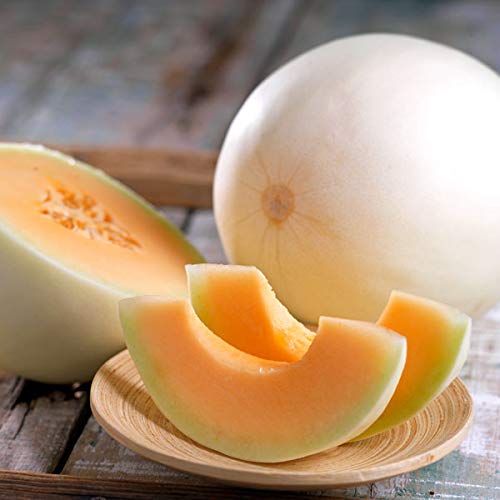
Orange Flesh Honeydew Melon (Cucumis melo), produces smooth, cream-colored, nearly round 5-6 pound fruits. The light orange flesh delivers a sweet, rich flavor combining the juiciness of honeydew with the sweetness and texture of cantaloupe.
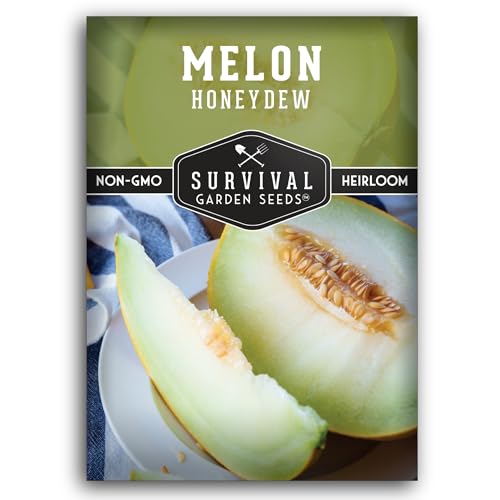
REFRESHINGLY SWEET MELONS – Classic honeydew flavor with smooth light green flesh that’s juicy and fragrant for sweet summer enjoyment straight from your own home garden vines

High Germination Rate: Premium native seeds with robust vitality ensure a germination rate exceeding 95% and 99% purity, far surpassing ordinary melon varieties
Selecting the Right Soil
To give your honeydew seeds the best chance of thriving, start by choosing well-draining soil that is rich in organic matter. A sandy loam soil type works well for honeydew plants as it provides good aeration and drainage. Make sure the soil pH is between 6.0 and 6.5, which is slightly acidic to neutral, ideal for honeydew growth.
Ideal Planting Conditions
For optimal growth, plant your honeydew seeds in an area that receives full sun exposure. Honeydews require plenty of sunlight to develop into sweet and flavorful fruits. Ensure the planting site has good air circulation to prevent diseases and promote healthy growth. It’s also essential to provide adequate spacing between plants to allow room for vines to spread out as they grow.
By selecting the right soil and providing ideal planting conditions, you set the foundation for successful honeydew cultivation from seed to harvest.
Planting Honeydew Seeds
When it comes to planting honeydew seeds, timing is crucial for successful growth. Here’s what you need to know about the best time to plant and techniques for sowing seeds.
Best Time to Plant
The best time to plant honeydew seeds is in the spring after any danger of frost has passed. Honeydews thrive in warm soil temperatures, so aim for a consistent temperature of around 70-90°F (21-32°C) for optimal germination. By planting in the spring, you give your honeydew plants a longer growing season to mature and produce sweet, juicy melons.
Techniques for Sowing Seeds
To sow honeydew seeds effectively, start by preparing your soil. Choose a well-draining location with nutrient-rich soil that receives full sun exposure. Create mounds or rows in your garden bed and space the seeds according to the variety’s recommendations, usually around 18-36 inches (46-91 cm) apart.
Plant each seed about 1 inch (2.5 cm) deep in moist soil and cover them gently. Keep the soil consistently moist but not waterlogged during germination. Once your seedlings have developed a few true leaves, thin them out if needed, leaving the healthiest plants at the recommended spacing.
Caring for Your Honeydew Plants
After planting your honeydew seeds successfully, it’s essential to provide proper care to ensure healthy growth and a bountiful harvest. Here are some key aspects to focus on as you nurture your honeydew plants:
Recommended Products

Flavor Profile: Delivers exceptionally juicy, emerald-green flesh with a silky smooth texture and a classic honeyed sweetness that makes it an enduring favorite for fresh fruit salads.

[Modular Grow Light Panel with Daisy Chain]-Link up to 10 panels in series or parallel with even brightness throughout. Includes 8.2ft power cord and 3.28ft connecting wires for flexible setup.
Watering Requirements
Watering plays a crucial role in the development of your honeydew plants. Keep the soil consistently moist but not waterlogged. Aim to water deeply at the base of the plant, allowing the roots to access water effectively. During hot weather or dry spells, increase watering frequency to prevent dehydration and promote fruit development.
Fertilizing and Weeding
To support optimal growth, consider fertilizing your honeydew plants periodically with a balanced fertilizer rich in nitrogen, phosphorus, and potassium. Be cautious not to over-fertilize as this can harm the plants. Regular weeding is also vital to eliminate competition for nutrients and reduce pest infestation. Keep the area around your honeydew plants weed-free for better air circulation and nutrient absorption.
By following these watering, fertilizing, and weeding practices diligently, you’ll set up your honeydew plants for success and enjoy a plentiful harvest of delicious melons.
Common Challenges in Growing Honeydew
When cultivating honeydew melons, you may encounter common challenges that could affect the growth and yield of your plants. It’s essential to be aware of these difficulties so you can address them promptly and ensure successful cultivation.
Dealing With Pests
Pests can pose a significant threat to your honeydew plants, potentially causing damage to leaves, flowers, and fruits. To protect your crop from pests such as aphids, spider mites, or cucumber beetles:
- Inspect your plants regularly for any signs of pest infestation.
- Introduce beneficial insects like ladybugs or lacewings to control pest populations naturally.
- Use organic insecticidal soap or neem oil as a safe alternative to chemical pesticides.
- Implement physical barriers like row covers to prevent pests from reaching your plants.
Managing Diseases
Diseases can also impact the health and productivity of your honeydew plants. Common diseases affecting honeydew melons include powdery mildew, fusarium wilt, and downy mildew. To manage diseases effectively:
- Practice crop rotation to reduce the buildup of disease-causing pathogens in the soil.
- Ensure proper air circulation around plants by spacing them adequately during planting.
- Water your plants at the base to avoid wetting foliage, which can promote disease development.
- Apply fungicides early in the season as a preventive measure against fungal diseases.
By being vigilant about pest control measures and implementing disease management strategies, you can mitigate potential problems and increase the likelihood of a bountiful harvest of sweet and juicy honeydew melons.
Harvesting Your Honeydew
When it comes to harvesting your honeydew melons, there are a few key things to keep in mind to ensure you pick them at the peak of ripeness for the best flavor and sweetness.
How to Tell When Honeydews Are Ready
Knowing when your honeydew melons are ripe is essential for enjoying their sweet taste. Here’s how you can tell if they’re ready to be harvested:
- Color: A ripe honeydew will have a creamy yellow color on the bottom where it was resting on the ground.
- Texture: The skin should feel slightly waxy and firm but not hard when gently pressed.
- Smell: Ripe honeydews emit a sweet fragrance from the blossom end.
- Sound: When thumped, a ripe honeydew will produce a hollow sound.
By checking these indicators, you can ensure that your honeydew melons are perfectly ripe and ready for harvest.
Harvesting and Storage Tips
Once you’ve determined that your honeydews are ready for picking, follow these tips for harvesting and storing them properly:
- Harvesting: Use sharp scissors or pruning shears to cut the stem about an inch above the fruit. Avoid pulling or twisting the melon off as this can damage the vine.
- Timing: Pick your honeydews in the morning when temperatures are cooler to prevent heat stress on the fruits.
- Storage: Store harvested honeydews at room temperature until fully ripened. Once ripe, refrigerate them in a perforated plastic bag for up to 5 days.
- Ripening: If your melon needs more time to ripen after harvesting, leave it at room temperature until it reaches desired sweetness before refrigerating.
Conclusion
Growing honeydew from fresh seeds can be a rewarding experience. By selecting the right seeds, managing pests, diseases, and harvesting at the peak of ripeness, you’ll enjoy sweet and juicy melons straight from your garden. Remember to nurture your plants with care and attention throughout their growth stages for a successful harvest. With proper knowledge and techniques, you can savor the fruits of your labor in no time. Happy gardening!
Frequently Asked Questions
How do I start cultivating honeydew melons?
To start cultivating honeydew melons, choose quality seeds from reputable sources. Plant the seeds in well-draining soil with plenty of sunlight and water regularly.
What are common challenges in growing honeydew melons?
Common challenges include dealing with pests like aphids and cucumber beetles, as well as managing diseases such as powdery mildew and fusarium wilt.
How can I harvest honeydew melons effectively?
Harvest honeydew melons by observing color change to yellow, gentle pressing for slight give, sweet aroma near the stem, and a hollow sound when tapped. Use sharp tools for harvesting and pick in the morning for best results.
How should I store harvested honeydew melons?
Store harvested honeydew melons at room temperature until ripe. Once ripe, refrigerate them in a perforated plastic bag for up to 5 days to maintain freshness.
