

In order to produce fruit, fig trees need to be pollinated, but they do not require cross pollination like many other fruit trees. Self-pollination is easier for fig trees because their flowers are hidden inside the fruit. However, wind or insects can still carry pollen from other fig trees to the flowers inside the fruit, which will result in cross pollination.
Fig trees need cross pollination in order to produce fruit. This can be done by hand, or by allowing bees or other insects to do it for you. If you have multiple fig trees, you can also cross pollinate them by transferring pollen from one tree to another.
Do you need 2 fig trees to produce fruit?
Figs are a delicious and nutritious fruit that can be enjoyed fresh, dried, or canned. They are relatively easy to grow and care for, and they are self-pollinating, so you don’t need multiple plants to get fruit. However, some fig varieties have invasive roots that may damage pipes, sidewalks, or driveways, so it’s important to choose the right variety for your garden and to avoid crowding plants if you’re adding more than one to your yard.
Hi Marc,
Almost all figs are self-pollinating, but the only exception I know of is a variety grown in California from which the tasty Fig Newtons are made. But variety choice is important for other reasons, namely the type and color of figs produced and the number of crops you can expect in a season.
Hope that helps,
Alex
Recommended Products

🌇 live Chicago Hardy Fig tree 1 gallon is self-pollinating, comes with easy to use Fig food, and produces fresh Fig fruit every Year

💜 live LSU Purple Fig 3 gallon is self-pollinating, comes with easy to use Fig food, and produces fresh Fig fruit every Year

MATURE SIZE & CARE GUIDE: Brown Turkey Fig, versatile and self-pollinating, grows 15-30 feet tall in full sun. Thrives in well-drained soil (Zones 7-10). Fruits late July to late fall, even after freeze damage.
Do I need two fig trees for pollination
Fig trees are not self-pollinating. Figs grow in pairs in the wild, which is why they do best in climates where flowers are seasonal. If you plant figs at the same time, when one tree begins to flower, so will its partner.
It is interesting to note that common figs do not require pollination in order to produce fruit. The fruits of these figs contain female flowers, which are able to self-pollinate. However, figs that do require pollination have both male and female flowers. This means that they will need to be visited by a male fig wasp in order to produce fruit.
What causes a fig tree not to bear fruit?
The most common reason for a fig tree not producing fruit is its age. Trees, like animals, need to reach a certain maturity before they can produce offspring. Fruit is how a fig tree creates seeds. If the fig tree is not old enough to produce seeds, it will also not produce fruit.
Fig Trees will typically fruit within the first few years of planting. However, specific fruit timing will vary by type, location and growing conditions. Because our Fig Trees are grafted, many of them will fruit within the first year!
Do you eat wasps when you eat figs?
Wait, am I eating wasp bits when I eat a fig?
“There’s no fig wasp in there by the time people are eating the fruit,” says Ferguson. The female fig produces an enzyme that completely digests the exoskeleton before hungry humans can take a bite.
To be clear: “The crunchy bits are seeds, not wasp parts,” she adds.
Figs are a type of fruit that come in two different varieties – common figs and caducous figs. Common figs, including ‘Brown Turkey’, ‘Celeste’, Brunswick’ and ‘Mission’, do not need pollination in order to produce fruit. Instead, their fruit develops with the help of insects. Caducous figs, on the other hand, including ‘Smyrna’, ‘Calimyrna’ and ‘Marabout’, require a tiny wasp to crawl inside and perform pollination in order for the fig to develop.
Recommended Products


Do all figs have fig wasps
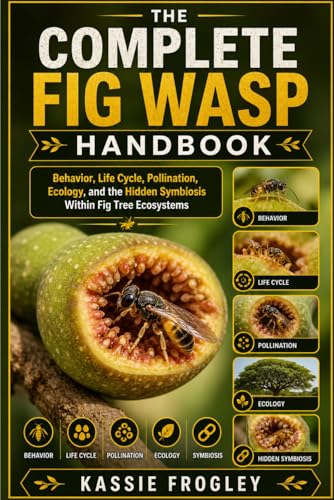
The pollination process of certain fig trees requires a special breed of wasp. The female wasp enters the tree through a small hole, losing her wings in the process. If the fig tree is male, she lays her eggs inside. If the fig tree is female, she is trapped inside.
There is a mutually beneficial relationship between fig wasps and fig plants. Commercially grown figs are pollinated by wasps, and the figs wind up with at least one dead female wasp inside. This benefits the fig plant because it receives pollination from the wasp, and the wasp benefits because it is able to lay its eggs inside the fig.
Can you plant fig trees next to each other?
Figs are a delicious and versatile fruit that can be enjoyed in many different ways. When growing figs, it is important to consider the space you have available and the form that you want your figs to grow in. Figs grown in the bush form can be set as close as 10 feet apart in the row and 15 feet apart between rows. Figs grown in tree form should be set 15 to 20 feet apart in the row and 20 feet apart between rows.
Fig trees are self-fruitful, so you need only one plant to produce fruit. However, mature fig trees can be 10 to 30 feet tall, so if you have the space, you may want to plant several to extend your harvest from summer into early fall. Choose early, mid and late-fruiting selections for the longest harvest season.
How do you tell a male fig from a female fig
Ficus carica is a plant that has two sexual forms: the “male” caprifig and the female tree (edible fig). The caprifig is monoecious, meaning it has separate male (staminate) flowers and separate female (pistillate) flowers. It is functionally male because it produces pollen. Edible figs contain only long-style female flowers.
Female fig wasps can be quite destructive to a fig plant if they are not controlled. If a female wasp enters a fig, it will lay its eggs and the larvae will eat the fig’s pollen. This can cause the fig to die. The best way to control female fig wasps is to kill them before they have a chance to lay their eggs.
Can you grow a fig tree from another fig tree?
Figs trees are quite easy to propagate from dormant, hardwood cuttings taken this month. Simply cut 10- to 12-inch pieces from the ends of branches, and then plant several fig cuttings together in a container of potting soil. Cover the lower 4 to 6 inches of the cuttings with soil, and water well.
This is a guide on how to fertilizer a tree in early spring for best results. A balanced general-purpose fertiliser should be used first, followed by a mulch of well-rotted manure or compost. Once the fruits appear in early summer, liquid tomato fertiliser can be applied fortnightly until they begin to ripen. By following these steps, you will be providing your tree with the nutrients it needs to produce healthy and bountiful fruit.
Why does my fig tree have lots of leaves but no fruit
Age and vigor are important factors in fruit tree production. When a tree is young, it focuses its energy on producing leaves and shoots. This results in few to no fruits being produced. As the tree matures and slows down in leaf and shoot production, it will begin to produce fruit.
If your fig tree is losing fruits before they ripen, it may be due to nematode damage. Nematodes are small roundworms that can damage the roots of a fig tree, causing reduced water and nutrient uptake. With a limited root system, the tree cannot support the crop of fruits and they drop.
Do fig trees need a lot of water
As a general rule, a Fig tree needs at least 1 to 1 1/2 inches of water a week. Check the tree’s leaves, if they start turning yellow and dropping off then it’s a sign that the tree needs to be watered. Keep the soil moist but not soaked. Adding a layer of mulch around the tree can help retain moisture.
pruning helps to shape the tree and stimulate growth. newly transplanted trees should be pruned after the first growing season.
Warp Up
From what I can find, it appears that fig trees do not need to be cross-pollinated in order to produce fruit.
No, fig trees do not need cross pollination. They have a unique pollination system in which the flowers are pollinated by a specific type of wasp. The wasp enters the tree through a small opening at the base of the fruit, and in doing so, brushes against the flowers and collects pollen. When the wasp exits the fig, it transfers the pollen to the next fig it enters. This process ensures that the fig tree is properly pollinated and produces fruit.
