Close Menu
    Fruit Tree Hub
    • Home
    • Apple Trees
    • Lemon Trees
    • Mango Trees
    • Orange Trees
    • More Trees
      • Best Fruit Trees
      • Apricot Trees
      • Cherry Trees
      • Fig Trees
      • Lime Trees
      • Mulberry Trees
      • Peach Trees
      • Pear Trees
      • Plum Trees
      • Pomegranate Trees
    • Tips and Advice
      • Tools
    • About Us
      • Contact
      • Privacy Policy
    Fruit Tree Hub
    Home»Loquat Trees»How to Encourage Loquat Trees to Bear Fruit
    Loquat Trees

    How to Encourage Loquat Trees to Bear Fruit

    Lucy SmithBy Lucy SmithMarch 4, 20244 Mins Read
    Share Facebook Twitter Pinterest WhatsApp Email
    Share
    Facebook Twitter LinkedIn Pinterest Telegram Email

    Caring for a loquat tree and getting it to produce fruit can be tricky, but it's not impossible. With the right tips and tricks, you can make it happen.

    Contents show
    1 Key Takeaways
    2 Proper Pruning Techniques
    3 Optimal Watering and Fertilizing
    4 Understanding Pollination Needs
    5 Managing Pests and Diseases
    6 Harvesting and Post-Harvest Care
    7 Conclusion

    Pruning and pollination are important factors to consider. By understanding these techniques, you can turn your loquat tree into a fruitful addition to your garden.

    Key Takeaways

    • Prune loquat trees by removing dead or damaged branches, eliminating crossing or rubbing branches, and improving air circulation and sunlight penetration.
    • Use well-draining soil and water deeply and infrequently, allowing the soil to slightly dry out between watering.
    • Loquat trees are self-fertile, but attracting pollinators such as bees, birds, and insects can increase successful pollination.
    • Implement preventive measures for pest and disease management, encourage natural predators, and use natural remedies such as neem oil and baking soda spray.

    Proper Pruning Techniques

    To encourage loquat trees to bear fruit effectively, it's essential to master proper pruning techniques that promote healthy growth and abundant fruit production.

    Pruning basics for loquat trees involve removing dead or damaged branches, as well as those that are crossing or rubbing against each other. This helps improve air circulation and sunlight penetration, which are crucial for fruit development.

    When pruning, make clean cuts at a 45-degree angle just above a bud or lateral branch to encourage new growth.

    Additionally, it's important to avoid over-pruning, as this can stress the tree and hinder fruit production.

    MUST READ
    Why Do Loquat Trees Have Large Seeds

    Recommended Products

    Fiskars Bypass Pruning Shears, 5/8" Cut Capacity Garden Clippers
    Fiskars Bypass Pruning Shears, 5/8" Cut Capacity Garden Clippers

    CLEAN CUTS FOR LIVE GROWTH: Bypass blade design is ideal for pruning delicate flower stems and green growth, helping reduce crushing and plant damage while cutting stems and small branches up to 5/8” in diameter

    VIEW LATEST PRICE

    As an affiliate, we earn on qualifying purchases.

    DECERK® 8.5" Professional Pruning Shears - Cuts 4X Easier with Ultra Sharp Japanese Steel Titanium Blade, Arthritis Friendly Garden Scissors & Plant Clippers, Effortlessly Prunes 3/4" Branches
    DECERK® 8.5" Professional Pruning Shears - Cuts 4X Easier with Ultra Sharp Japanese Steel Titanium Blade, Arthritis Friendly Garden Scissors & Plant Clippers, Effortlessly Prunes 3/4" Branches

    Unbreakable sharpness! Japanese SK5 steel blade with titanium coating endures 100,000 cuts. Built for lifelong clean cuts

    VIEW LATEST PRICE

    As an affiliate, we earn on qualifying purchases.

    Fiskars SoftGrip Bypass Pruning Shears, 5/8” Cut Capacity Garden Clippers
    Fiskars SoftGrip Bypass Pruning Shears, 5/8” Cut Capacity Garden Clippers

    AMBIDEXTROUS DESIGN: Pruner shape is designed for both right and left-handed use while pruning indoor & outdoor plants such as shrubs, ornamental trees, vines, & flowers like roses; SoftGrip handle reduces hand fatigue & enhances comfort and control

    VIEW LATEST PRICE

    As an affiliate, we earn on qualifying purchases.

    Optimal Watering and Fertilizing

    When ensuring the health and fruitfulness of your loquat tree, understanding optimal watering and fertilizing practices becomes essential for promoting robust growth and abundant fruit production.

    Loquat trees thrive in well-draining soil, so it's crucial to water them deeply and infrequently, allowing the soil to dry out slightly between watering to prevent root rot. Aim to keep the soil consistently moist but not waterlogged.

    Additionally, applying a balanced fertilizer with a higher potassium content in spring and summer can stimulate fruit production. Ensure the fertilizer is spread evenly around the tree's dripline and water thoroughly afterward. Consider conducting a soil test to determine if the loquat tree requires any specific soil nutrition adjustments.

    MUST READ
    Can Loquat Trees Be Grown in Pots

    Lastly, ensure the tree receives adequate sunlight exposure for optimal growth and fruit development.

    Recommended Products

    Muriate of Potash 0-0-60 Fertilizer Made in USA - MOP Potassium Plant Food for Indoor/Outdoor Plants, Flower Gardens, Fruit and Vegetable Gardens, Holistic Herbs, Trees and Green Lawns!
    Muriate of Potash 0-0-60 Fertilizer Made in USA - MOP Potassium Plant Food for Indoor/Outdoor Plants, Flower Gardens, Fruit and Vegetable Gardens, Holistic Herbs, Trees and Green Lawns!

    PREMIUM QUALITY INGREDIENTS – Cz Garden Muriate of Potash is a water soluble, high purity, premium phosphate fertilizer for all indoor/outdoor flowers, lawn, and garden vegetables.

    VIEW LATEST PRICE

    As an affiliate, we earn on qualifying purchases.

    Muriate of Potash Fertilizer, 0-0-60 NPK Ratio for Plants, 5 lbs
    Muriate of Potash Fertilizer, 0-0-60 NPK Ratio for Plants, 5 lbs

    PREMIUM POTASH FERTILIZER: Derived from premium muriate of potash, our crystal-form potassium plant fertilizer is concentrated & helps in the formation & transfer of sugar & other plant nutrients.

    VIEW LATEST PRICE

    As an affiliate, we earn on qualifying purchases.

    TPS NUTRIENTS Potassium Fertilizer for Budding & Flowering, 8 oz (250mL)
    TPS NUTRIENTS Potassium Fertilizer for Budding & Flowering, 8 oz (250mL)

    Made for Potassium Support – Formulated to supply potassium for essential plant nutrition.

    VIEW LATEST PRICE

    As an affiliate, we earn on qualifying purchases.

    Understanding Pollination Needs

    Encouraging pollination in your loquat tree involves understanding the unique needs of this fruit tree and how to ensure successful fertilization.

    Loquat trees are primarily self-fertile, but the presence of pollinator attractants such as flowers and nectar can significantly increase the chances of successful pollination. Bees, birds, and other insects are vital for transferring pollen between flowers.

    Cross pollination benefits loquat trees by enhancing genetic diversity, which often results in better fruit production and quality.

    To attract pollinators, consider planting companion plants that provide nectar and pollen, such as lavender, rosemary, and clover, around your loquat tree.

    MUST READ
    Where Loquat Trees Fit in a Tropical Diet

    Understanding the importance of pollinator attractants and cross pollination will help you create an environment that supports fruitful loquat tree pollination.

    Managing Pests and Diseases

    Managing pests and diseases in your loquat tree requires proactive monitoring and timely intervention to ensure a healthy and productive tree. To effectively combat common pests and diseases, implementing preventive measures and natural remedies is essential. Here's a helpful table outlining some preventive measures and natural remedies for managing pests and diseases in your loquat tree:

    PestsDiseasesPreventive MeasuresNatural Remedies
    AphidsLeaf spotEncourage natural predatorsNeem oil spray
    Fruit fliesPowdery mildewPrune for better air flowBaking soda spray
    Scale insectsFire blightRemove infected leavesCopper fungicide
    CaterpillarsAnthracnoseApply organic mulchGarlic spray

    Recommended Products

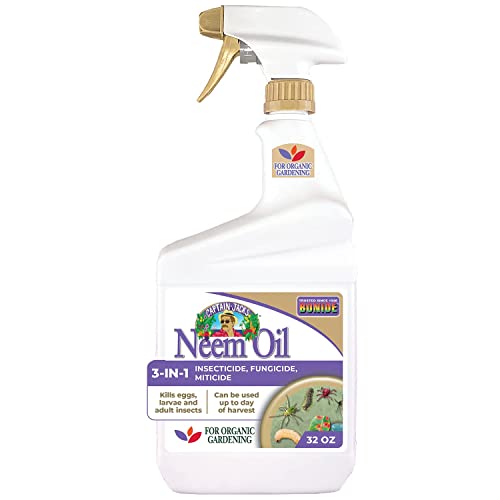
    Bonide Captain Jack's Neem Oil, 32 oz Ready-to-Use Spray, Multi-Purpose Fungicide, Insecticide and Miticide for Organic Gardening
    Bonide Captain Jack's Neem Oil, 32 oz Ready-to-Use Spray, Multi-Purpose Fungicide, Insecticide and Miticide for Organic Gardening

    MULTI-PURPOSE BUG KILLER - Bonide Neem Oil is a perfect pest control solution for any garden dealing with mites, flies, mildew, and more. This product is a three-in-one fungicide, miticide, and insecticide.

    VIEW LATEST PRICE

    As an affiliate, we earn on qualifying purchases.

    BioAdvanced Organics Brand Neem Oil - 24 oz
    BioAdvanced Organics Brand Neem Oil - 24 oz

    INSECT KILLER: BioAdvanced Organics Brand Neem Oil spray controls aphids, whiteflies, spider mites, and other listed pests

    VIEW LATEST PRICE

    As an affiliate, we earn on qualifying purchases.

    Natria Neem Oil Spray for Gardening - 24 oz Bottle
    Natria Neem Oil Spray for Gardening - 24 oz Bottle

    PLANT DISEASE CONTROL: Natria Neem Oil acts as an insecticide and fungicide in one convenient spray; Ready-to-use trigger sprayer requires no mixing

    VIEW LATEST PRICE
    MUST READ
    Where Do Loquat Trees Grow Best

    As an affiliate, we earn on qualifying purchases.

    Harvesting and Post-Harvest Care

    After nurturing your loquat tree through the growing season, it's time to understand the best practices for harvesting and caring for the fruit post-harvest.

    • Fruit ripening: Loquats are ready to harvest when they've turned from green to yellow and are slightly soft to the touch. Avoid waiting too long, as overripe fruits tend to be mushy and less flavorful.
    • Gentle handling: When harvesting, gently twist the fruit to detach it from the stem. Be careful not to bruise or damage the delicate skin, as this can lead to spoilage.
    • Storage options: Store ripe loquats in the refrigerator to extend their shelf life. They can be kept in a plastic bag for up to a week. Alternatively, you can freeze the fruit for later use in smoothies, jams, or desserts.

    Harvesting and caring for your loquat fruit post-harvest is crucial to ensure that you enjoy the delicious rewards of your labor.

    Conclusion

    Incorporate these essential practices to nurture your loquat trees and enjoy a fruitful harvest.

    With proper care in pruning, watering, fertilizing, and managing pollination needs, you can ensure the health and productivity of your loquat trees.

    By staying attentive to pests and diseases, you'll set the stage for a thriving garden.

    Happy gardening, and may your loquat trees yield an abundance of delectable, juicy fruit for you to savor.

    Share. Facebook Twitter Pinterest LinkedIn Tumblr Email
    lucy smith
    Lucy Smith
    • Website

    Lucy Smith is a highly experienced horticulturist with a passion for fruit tree cultivation. She holds a degree in Horticulture from the University of California, Davis, and has worked in various roles in the industry. With over 10 years of experience, Lucy is dedicated to using eco-friendly methods for sustainable gardening practices.

    Related Posts

    Why Do Loquat Trees Produce Edible Fruit

    March 5, 2024

    Can Loquat Trees Adapt to Climate Change

    March 5, 2024

    Creating a Wildlife Habitat With Loquat Trees

    March 5, 2024

    Where Are Loquat Trees Considered Invasive

    March 5, 2024

    Is Loquat Tree Pollen Allergenic

    March 5, 2024

    Can Loquat Trees Be Used in Traditional Medicine

    March 5, 2024
    Leave A Reply Cancel Reply

    Affiliate Disclosure

    As an Amazon Associate I earn from qualifying purchases.

    Recommended Reading

    Can Chickens Eat Cantaloupe Seeds Safely? Nutritional Benefits and Risks Revealed

    Which Fruit Trees Grow in Washington, DC? (Backyard Gardening Tips)

    Are all peach trees self pollinating?

    18 Simple Knitting Basics For Crafting That Feels Effortless

    How Do You Plant Cantaloupe Successfully: Tips for a Bountiful Harvest

    Growing Tangerine Trees from Seed Made Easy: Step-by-Step Guide

    How Long to Get Fruit from Apple Tree: A Complete Guide to Quick and Healthy Harvests

    What Fruits Do Not Grow on Trees and How They Offer Unique Flavor and Nutrition Benefits

    When is the Best Time to Plant Cantaloupe? Expert Guidelines for U.S. Regions

    Mulberry Trees in a Pot in Columbus, OH: Ohio Valley Potting

    Fruit Tree Hub

    Fruit Tree Hub is a website dedicated to providing you everything you need to grow fruit trees successfully at in your own yard.

    Contact us at: [email protected]

    - AFFILIATE DISCLOSURE: As an Amazon Associate I earn from qualifying purchases.

    Latest Posts

    Can Olive Trees Grow in New Jersey? Garden State Growth Tips

    Can Star Fruit Trees Grow in Missouri? Expert Variety Guide

    How to Grow Jujube Trees in Las Vegas, NV: Desert Growth

    Mango Trees in Illinois: Indoor and Greenhouse Growth Secrets

    Growing Papaya Trees in Oklahoma: High Heat Resilience

    Tamarind Trees in a Pot in Ohio (Complete Maintenance Manual)

    Can Fig Trees Grow in Long Beach, CA? Coastal Salt Tips

    Plum Trees in District of Columbia (Urban Microclimate Tips)

    Categories
    • Almond Trees
    • Apple Trees
    • Apricot Trees
    • Best Fruit Trees
    • Blackberry
    • Cantaloupe
    • Cherry Trees
    • Crochet Ideas
    • Crochet Ideas for Beginners
    • Cucamelon
    • Easy Crochet Ideas
    • Easy Knitting Projects
    • Fig Trees
    • Grapefruit Trees
    • Grapes
    • Guava Trees
    • Honeydew
    • Jujube Trees
    • Kiwi
    • Knitting For Beginners
    • Knitting Ideas
    • Knitting Inspiration
    • Lemon Trees
    • Lime Trees
    • Loquat Trees
    • Mango Trees
    • Mulberry Trees
    • Nectarine Trees
    • Olive Trees
    • Orange Trees
    • Papaya Trees
    • Peach Trees
    • Pear Trees
    • Persimmon Trees
    • Planting
    • Plum Trees
    • Pomegranate Trees
    • Quince Trees
    • Raspberry
    • Reviews
    • Small Crochet Ideas
    • Star Fruit Trees
    • Summer Crochet Ideas
    • Tamarind Trees
    • Tangerine Trees
    • Tips and Advice
    • Tools
    • Uncategorized
    • Walnut Trees
    © 2026 Fruit Tree Hub
    • Home
    • About Us
    • Contact
    • Privacy Policy
    • Terms and Conditions
    • Disclaimer
    • Editorial Policy
    • Affiliate Disclosure

    Type above and press Enter to search. Press Esc to cancel.