

Ever found yourself staring at a fallen tree in your yard, wondering where to even begin? It’s a common struggle many face after a storm or strong winds. But fear not, as we’ve got your back! In this article, we’ll guide you through the process of cleaning up fallen trees with a lopper, making the task a breeze for you.
Imagine having the power to tidy up your outdoor space efficiently and effortlessly. With the right techniques and tools, you can transform that chaotic tangle of branches into a neat and tidy area that you’ll be proud to show off. Get ready to learn the secrets of using a lopper to tackle fallen trees like a pro.
Assessing the Situation
When facing fallen trees in your yard after a storm, the first step is to assess the situation before diving into cleanup. Here are some essential points to consider:
- Safety First: Prioritize safety by checking for any live electrical wires or other hazards around the fallen trees.
- Extent of Damage: Evaluate the size and number of fallen trees to determine the scope of the cleanup task.
- Obstacles: Identify any obstacles or structures that might impede your cleanup efforts.
- Accessibility: Assess the accessibility of the area and plan how you’ll move around and transport debris.
- Environmental Factors: Take note of weather conditions that could affect your cleanup process.
By carefully assessing the situation upfront, you’ll be better prepared to tackle the cleanup efficiently and safely.
Safety First
When it comes to cleaning up fallen trees, prioritizing safety is key. Here are some essential tips to keep in mind:
- Assess the area before starting any cleanup.
- Wear protective gear such as gloves and goggles.
- Avoid working alone in case of emergencies.
- Stay aware of your surroundings and potential hazards.
- Use appropriate tools and equipment for the job.
- Stay hydrated and take breaks as needed.
By following these safety guidelines, you can ensure a smooth and secure cleanup process.
Recommended Products

Impact resistant helmet with 6 ventilation holes for high breathability

CHAINSAW HELMET WITH FACE SHIELD AND EARMUFFS: This hard hat with face shield serves as protective equipment with included earmuffs when operating chainsaws. Protective gear that serves multiple purposes, this chainsaw accessory is one of the best for safety to protect your eyes, hearing and head.

【Forestry Helmet System with Accessories】:GREEN DEVIL 3 in 1 safety helmet comes with ABS helmet, adjustable/removable earmuffs, and mesh visor, providing dynamic protection for any job.Equipped with a pair of 25 dB NRR earmuffs that help block out tool and engine sound noise for hearing protection.Easy flip-up metal mesh provides good visibility and debris protection.The accessories is easy to assemble,come with detailed installation instructions.
Choosing the Right Lopper
When selecting a lopper for cleaning up fallen trees, consider the following:
- Types of Loppers:
- By-pass loppers: Ideal for living branches.
- Anvil loppers: Suitable for dead wood.
- Handles:
- Opt for extendable handles for hard-to-reach areas.
- Ensure comfortable grips to reduce hand strain.
- Cutting Capacity:
- Choose a lopper with sufficient cutting capacity for the tree branches in your yard.
- Material:
- Look for durable blades made of high-quality steel for longevity.
- Weight:
- Select a lopper that is lightweight to prevent fatigue during extended use.
- Budget:
- Consider your budget but prioritize quality and durability to ensure a lasting tool.
In choosing the right lopper, focus on the specific needs of your cleanup tasks to make the process more efficient and effective.
Recommended Products

1️⃣ Extreme 2-Inch Cutting Capacity Cuts branches up to 2 inches thick with confidence. Ideal for mature hardwood, dry limbs, and heavy pruning jobs.

CHOPS THROUGH 1.6" BRANCHES EFFORTLESSLY: sharp steel blade tree trimmer that glides through up to 1.6" thick branches effortlessly. Low-friction and non-stick blade makes smooth cuts that solve your tough tree trimming job with ease. Loppers for tree trimming heavy duty easy to cut branches, bushes and shrubs

Adjustable and Durable Handle - Extendable Loppers: The lopping shears are adjustable from 16 inches to 24 inches, allowing you to handle tall branches easily. The iron arm is more sturdy and durable, and will not bend even when cutting large and thick branches.
Cutting Techniques
To efficiently clean up fallen trees using a lopper, proper cutting techniques are essential. Here are some tips to help you make the most of your cleanup efforts:
- Positioning: Stand with your feet shoulder-width apart to maintain balance while cutting.
- Angle: Cut at a 45-degree angle to prevent damage to the tree and ensure a clean cut.
- Precision: Aim to cut close to the trunk or main branch to promote proper healing.
- Small Cuts: Start with small cuts to manage the branches effectively.
- Safety: Always cut away from your body to avoid injury.
- Control: Use both hands for better control and stability during cutting.
By mastering these cutting techniques, you’ll be able to tackle fallen trees with ease and efficiency using your lopper.
Recommended Products
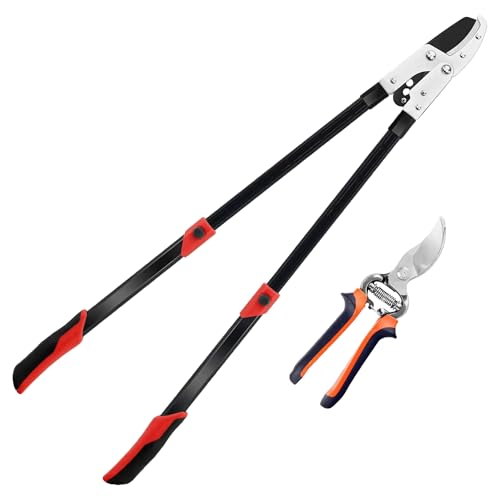
LONG LASTING SHARP: tree branch cutter alloy steel blade with teflon coated and low-friction coating that will long lasting sharp after tough job. Tree pruner is ideal for trimming green living or dry branches, chop through thick branches effortlessly

CHOPS THROUGH 2-INCH BRANCHES EFFORTLESSLY: The compound action mechanism multiplies your cutting power for fast removal of dry, dead and woody growth. This anvil-style blade is built for the toughest preparatory cuts and cut-to-length work, making heavy-duty pruning dramatically easy through extra leverage.

EFFORTLESS CUTS ON THICK BRANCHES: Long 30” handles provide increased leverage for cutting thick branches, up to 2" diameter, during tree pruning and yard maintenance; helping gardeners make controlled cuts with less strain during demanding trimming tasks
Cleaning Up the Area
When cleaning up fallen trees using a lopper, it’s crucial to assess the area beforehand. Check for any obstacles like rocks or branches that could hinder your work. Inspect the ground for uneven terrain or hidden dangers that might cause accidents.
To ensure a safe workspace, it’s essential to clear debris and create a clean path around the fallen tree. This will not only facilitate movement but also reduce the risk of tripping or injury while using your lopper. Prioritize safety by keeping the area well-lit and free of potential hazards.
Having a clear workspace allows you to maneuver around the fallen tree more efficiently. Position yourself strategically to get the best angle for cutting with your lopper. By maintaining a tidy environment, you’ll work with more precision and control, making the cleanup process smoother and safer.
Remember, a well-prepared area is key to successfully using a lopper for cleaning up fallen trees after a storm. By following these steps, you’ll create a workspace that promotes efficiency and safety throughout the cleanup process.
Conclusion
Ensuring safety is paramount when using a lopper to clean up fallen trees. By following the guidance provided in this article, you can create a secure environment for effective cleanup. Assessing potential hazards, maintaining a clear workspace, and positioning yourself strategically are key steps to enhance precision and control. Remember, a well-prepared workspace not only promotes efficiency but also reduces risks during the cleanup process. Stay safe and make the most out of your fallen tree cleanup efforts with these tips in mind.
Frequently Asked Questions
How can I ensure safety when cleaning up fallen trees with a lopper after a storm?
When cleaning up fallen trees with a lopper after a storm, ensure safety by assessing the surroundings for hazards, clearing debris, and creating a safe work area. Position yourself strategically to enhance control and precision while using the lopper. Maintaining a tidy workspace is crucial for effective and safe cleanup, ensuring efficiency throughout the process.
