

Papaya trees can survive in Alaska with proper care and protective measures against extreme northern climates. By selecting cold-hardy varieties and employing greenhouse techniques, growers can successfully cultivate these tropical plants in less-than-ideal conditions.
Cold-Resistant Papaya Cultivars for Alaska
In Alaska’s unique climate, cultivating papaya trees presents distinct challenges. However, certain cold-resistant cultivars have emerged as viable options for gardeners eager to grow this tropical fruit in extreme northern conditions. Understanding these specific varieties can help maximize success and yield in an otherwise inhospitable environment.
Choosing the right papaya variety is crucial for successful growth in Alaska. Some varieties are more resilient to cold temperatures and shorter growing seasons. Look for cultivars known for their hardiness and adaptability.
Red Lady: Known for its sweet flavor and moderate cold tolerance.
Sunrise: Offers a good yield and is slightly more resistant to cooler conditions.
Waimanalo: A robust choice that can handle lower temperatures better than most.
Recommended Products

Fragrant Flowers: Bloom blossoms that provide precious nectar for pollinators like bees, creating your own romantic orchard with heavy fruit and rich flavor

Versatile Fruit Use: The plums produced can be eaten fresh as a snack and are well-suited for home kitchen projects like creating preserves, jams, and baked goods.

✔️ Natural, sun died papaya seeds: Our papaya seeds are naturally collected and dried under the sun. Gently processed, 100% vegan, gluten free, lactose free and without additives.
Optimal Conditions for Papaya Growth
Understanding the optimal conditions for papaya growth is crucial for successfully cultivating this tropical fruit in Alaska’s extreme northern climates. Despite the challenges posed by cold temperatures and shorter growing seasons, specific environmental factors can enhance the chances of thriving papaya trees. This section explores the ideal conditions necessary for their growth and development in such unique settings.
Creating an optimal environment for papaya trees in Alaska involves several key steps. Greenhouses or high tunnels can provide the necessary warmth and protection. Additionally, proper soil preparation ensures healthy growth.
Soil Quality: Use well-draining soil rich in organic matter.
Temperature Control: Maintain temperatures above 60°F using heaters or thermal mass.
Water Management: Ensure consistent moisture without waterlogging.
| Factor | Recommended Action |
|---|---|
| Soil pH | Aim for 6.0 to 6.5 |
| Sunlight | Provide at least 6 hours of direct sunlight |
| Fertilization | Use a balanced fertilizer every 4-6 weeks |
Frost Protection Techniques for Papaya Trees
Growing papaya trees in Alaska presents unique challenges due to the region’s harsh climate and frequent frost. To ensure these tropical plants thrive despite the cold, various frost protection techniques can be employed. Understanding and implementing these methods is essential for successful cultivation in such extreme northern conditions.
Protection against frost and extreme weather is essential for papaya trees in Alaska. Several techniques can help mitigate risks associated with cold snaps.
Frost Cloths: Use lightweight fabric to cover trees during cold nights.
Mulching: Apply mulch around the base to retain soil warmth.
Windbreaks: Install barriers to shield trees from harsh winds.
Recommended Products

Thicker Material -- Made with 1.2oz non-woven polypropylene fabric, our plant freeze protection covers are durable, tear-resistant, and provide optimal insulation for your plants against harsh winter conditions.Breathable non-woven fabric allow light, air and moisture go through the frost cloths and reach the plants

Extra Thick Tree and Plant Covers for Winter: Scrubits Frost Blankets for outdoor plants and Trees will ensure that your Trees and large plants not only survive the winter but thrive and grow to blossom. With its extra thick fabric and long-lasting material, you can be confident about next year's harvest.
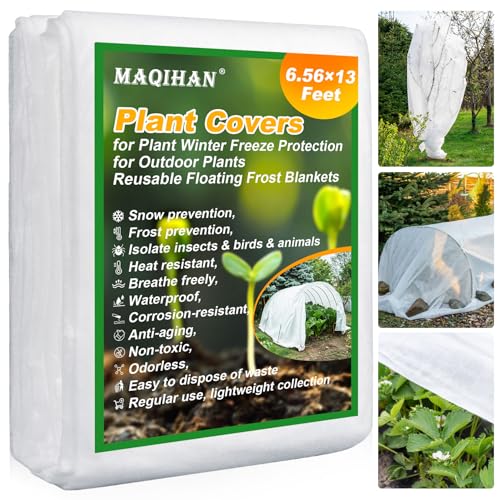
Product Features: Our plant covers are ideal for protecting all plant. Made from premium 1 oz/sq non-woven fabric, their durability and breathability ensuring both insulation against frost and facilitation of sunlight penetration for healthy plant growth
Papaya Growth Monitoring and Harvest Timing
Monitoring the growth of papaya trees in Alaska presents unique challenges due to the region’s extreme northern climate. Understanding the specific growth stages and optimal harvest timing is crucial for successful cultivation in these conditions. This section delves into the essential practices for tracking papaya development and determining the right moment for harvesting in a less-than-ideal environment.
Monitoring growth and understanding the harvest timeline is vital for successful papaya cultivation. Regular checks for pests and diseases can prevent losses.
Pest Control: Use organic pesticides to manage common pests.
Pruning: Trim dead leaves to promote airflow and reduce disease risk.
Harvest Timing: Harvest when fruits are half yellow for optimal sweetness.
| Growth Stage | Recommended Action |
|---|---|
| Seedling | Transplant when 6 inches tall |
| Flowering | Ensure pollination for fruit set |
| Fruit Development | Monitor for signs of ripening |
Recommended Products

Control diseases and insects in your garden with Captain Jack’s Fruit Tree Spray Concentrate! Use on a variety of listed fruits, nuts and citrus plants.

KILLS LISTED FRUIT & CITRUS TREE INSECTS: Controls Asian Citrus Psyllid, Whiteflies, Aphids Thrips, Citrus Leafminers, Leafhoppers, Blackfly, Mealybugs, Scales, Avocado Lacebugs, Oriental Beetles, Flea Beetles, Sharpshooters, and Spittlebugs

SPECIAL FORMULA FOR EDIBLE GARDENING: Fruit, Citrus & Vegetable Insect Control is specially formulated for use on over 100 listed fruits, vegetables, and citrus plants to kill listed insects and prevent new infestations
Alaska’s Climate Impact on Papaya Growth
Alaska’s unique climate presents significant challenges for the growth of papaya trees, which thrive in warmer, tropical environments. Understanding how factors such as temperature fluctuations, daylight variations, and soil conditions affect their development is crucial for anyone interested in cultivating these exotic plants in the far north. This section explores the intricate relationship between Alaska’s climate and the viability of papaya growth.
Alaska’s unique climate presents challenges for growing tropical plants. Understanding these challenges can help in devising effective strategies.
Short Growing Season: Utilize fast-maturing varieties to maximize yield.
Temperature Fluctuations: Implement thermal mass techniques to stabilize temperatures.
Limited Sunlight: Use reflective materials in greenhouses to enhance light exposure.
Assessing Papaya Growth in Alaska
Assessing the growth of papaya trees in Alaska presents a unique challenge due to the region’s extreme northern climate. This section delves into the specific conditions necessary for papayas to thrive, examining factors such as temperature, soil quality, and light exposure that influence their development in an environment typically unsuitable for tropical plants.
Assessing the long-term viability of growing papaya trees in Alaska requires ongoing evaluation. Consider factors such as climate change and local soil conditions.
Soil Testing: Regularly test soil to ensure nutrient levels are adequate.
Climate Monitoring: Keep track of temperature trends and adjust strategies as needed.
Community Resources: Engage with local agricultural extensions for support and advice.
Always monitor for signs of stress in papaya trees to address issues promptly.
