

Do you worry about your fruit trees during the cold winter months? You’re not alone. Many gardeners wonder how to protect their beloved trees from frost damage and harsh weather.
Caring for fruit trees in winter might seem daunting, but it’s simpler than you think. With the right techniques, you can ensure your trees stay healthy and strong, ready to bloom come spring. This article will guide you through essential winter care tips that will help your fruit trees thrive, so you can enjoy a bountiful harvest when the warmer days return.
Key Takeaways
- Understanding Winter Needs: Recognize that fruit trees have specific winter care requirements to thrive in spring, including protection from cold weather and pests.
- Pruning and Soil Preparation: Prune trees in late winter to promote healthy growth and prepare the soil with organic matter and mulch for insulation and moisture retention.
- Winter Wrapping: Use breathable materials like burlap to wrap trees, protecting them from cold and wind while ensuring roots are insulated with 3-4 inches of mulch.
- Pest and Disease Management: Proactively manage pests by cleaning the area around trees, inspecting for damage, and applying dormant oil when necessary.
- Watering Practices: Ensure proper hydration by watering deeply during warmer winter days if rainfall is insufficient, but avoid fertilization until early spring.
- Stay Attentive: Regularly monitor weather forecasts and check trees for signs of stress to implement timely interventions, ensuring healthy fruit trees ready for the growing season.
Understanding Fruit Trees and Their Winter Needs
Caring for fruit trees during winter is crucial for their health and productivity. Knowing their specific needs helps ensure they thrive come spring.
Importance of Winter Care
Winter care prevents damage from cold temperatures, wind, and pests. Protecting your trees during dormancy strengthens their root systems and promotes healthy growth in warmer months. Proper winter care helps reduce diseases and can boost your fruit yield, ensuring a bountiful harvest.
Common Fruit Trees and Their Requirements
Different fruit trees require distinct winter care strategies. Here are some common types and their specific needs:
- Apple Trees: Mulch around the base to insulate roots. Prune in late winter to encourage vigorous growth.
- Peach Trees: Wrap the trunks with tree guards to protect against frost cracks. Consider applying a dormant oil spray to prevent pests.
- Cherry Trees: For sweet varieties, keep the area weed-free to minimize competition. Protect younger trees with stakes or guards against strong winds.
- Citrus Trees: If planted in pots, move them indoors during harsh weather. For in-ground trees, wrap in burlap to shield from frost.
- Pear Trees: Apply a thick layer of mulch to maintain soil temperature. Regular checks for pests and diseases during winter can help keep them under control.
In winter, monitoring weather forecasts aids in timely interventions. Preparing for unexpected cold snaps ensures your trees remain healthy and strong.
Preparing Your Fruit Trees for Winter
Caring for your fruit trees during winter lays the foundation for their health and productivity come spring. Focus on key practices like pruning and soil preparation to ensure strong trees.
Recommended Products
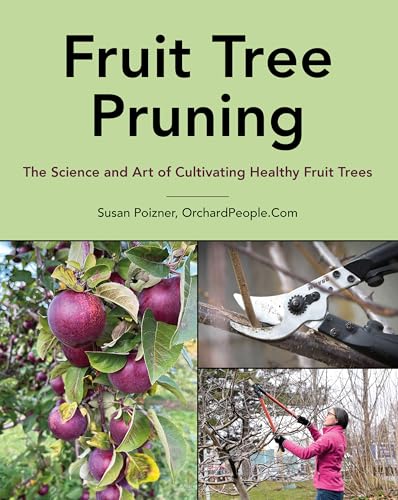

PROFESSIONAL GARDENING GRAFTING TOOLS: Including 2 in 1 grafting pruning tools, 3 replaceable blades, a grafting knife, a screwdriver, a wrench, 2 grafting films, 160 rubber bands, 40 wide rubber bands, and 50 colorful tag cards
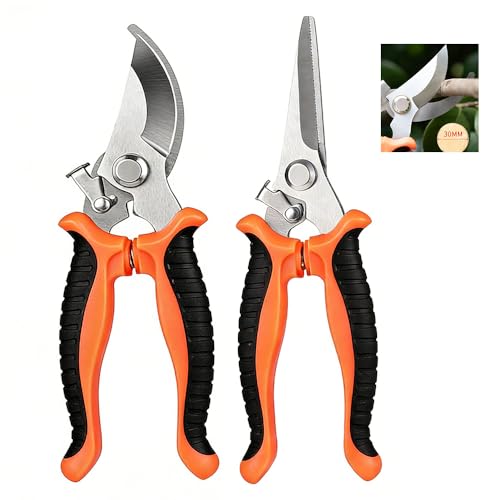
Essential Gardening Tool: This garden pruning shear is specially designed for light cutting tasks. Its blade body is treated with a special craft for smooth, consistently sharp cuts. Equipped with a high-elasticity spring, it opens and closes effortlessly for easy operation.
Pruning Techniques
Pruning strengthens fruit trees and encourages healthy growth. Start by removing any dead, damaged, or diseased branches. This keeps trees focused on healthy growth instead of wasting energy on weak limbs.
Follow these steps:
- Choose the Right Time: Late winter, just before new growth begins, is ideal for most trees.
- Use Clean Tools: Sanitize pruning shears with rubbing alcohol to prevent disease spread.
- Make Clean Cuts: Cut just above a bud or branch, avoiding jagged edges that can lead to infection.
- Shape the Tree: Aim for an open center to allow sunlight and air to pass through. This reduces pests and diseases.
Regular pruning improves fruit production and enhances the tree’s shape, contributing to a beautiful garden.
Soil Preparation and Mulching
Healthy soil supports robust root systems, ensuring your trees endure winter conditions. Start with soil testing to check nutrient levels and pH balance, adjusting as needed.
Consider these practices:
- Adding Organic Matter: Incorporate compost or well-rotted manure to boost nutrients.
- Mulching: Apply a 3-4 inch layer of mulch around the base of each tree. This regulates soil temperature, retains moisture, and reduces weed competition.
- Avoiding Mulch Piling: Keep mulch away from the trunk to prevent rot and pests.
Proper soil preparation and mulching protect roots and set the stage for healthy growth in spring.
Protecting Fruit Trees from Winter Elements
Caring for your fruit trees during winter involves protecting them from harsh weather and pests. Implementing specific strategies ensures your trees remain healthy and ready for spring.
Recommended Products

【Dress Your Trees For Winter】:Give your trees an extra layer of protection for the cold season. Burlap wraps help shield vulnerable bark from freezing temperatures, frost, and animal damage while helping reduce moisture loss and dry winter conditions—helping young trees and transplanted plants better withstand winter and grow with greater stability

Flexibility Burlap Fabric Roll: You will get 1pcs burlap plant cover freeze protection, the size: 15 feet x 40 inches, large enough for your use, it can be directly used for covering large garden areas and outdoor plants, or provides the freedom to cut to any size you want. Whether you're making gardening and permaculture projects,the burlap will help you achieve versatile outdoor creations

Sturdy Material, Porous and Breathable: our tree wrap is made of jute burlap material. It was light weight so it didn't hurt the plants and keeping them warm saved them from freezing, and dries faster than most wraps after it gets wet so the danger of rotting is broken
Winter Wrapping and Insulation
Winter wrapping offers an effective way to shield your trees from extreme cold and wind. Use burlap or tree wraps available at garden centers. Here are the steps to wrap your trees:
- Choose the Right Material: Select breathable materials to prevent moisture buildup.
- Wrap the Tree: Start from the base and move upward, overlapping the material by a few inches.
- Secure the Ends: Use twine or tape to fasten the wrap, avoiding tight bindings that can harm the bark.
Insulating roots is vital. Add mulch around the base. Aim for 3-4 inches of organic mulch like wood chips. This helps moderate soil temperatures and protects roots from freezing.
Pest and Disease Management
During winter, pests and diseases can still threaten your fruit trees. Proactive measures prevent these issues. Here’s how to manage pests effectively:
- Clean the Area: Remove any fallen leaves, fruits, or debris around the tree. This reduces overwintering sites for pests.
- Inspect Trees: Regularly check for signs of damage or disease. Address issues promptly to minimize risk.
- Apply Dormant Oil: In late winter or early spring, apply dormant oil spray to suffocate overwintering pests and their eggs.
By implementing these protective measures, you ensure your fruit trees remain resilient against winter challenges. Stay attentive and act decisively to foster a thriving harvest in spring.
Providing Water and Nutrients
Caring for fruit trees in winter includes focusing on water and nutrients. During this time, trees enter a dormant phase, but maintaining proper hydration and nutrient levels is crucial.
Recommended Products
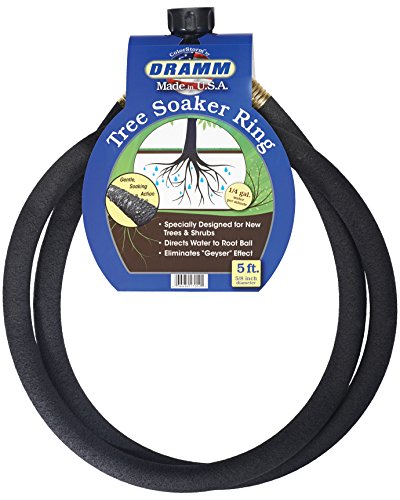
Thoroughly waters using 90% less water than conventional watering

1/2" Water-Saving & Durable Construction with Upgraded Formula: Our enhanced soaker hose blend delivers ultra-consistent water seepage while maximizing water savings, plus improved tensile strength, durability, and flexibility. It’s easy to handle, resistant to kinks, and built to stand up to long-term use in lawns, yards, landscaping, and tree watering applications.

Compact length for targeted watering around tree trunks and shrubs. Easy to wrap without excess hose, preventing tangling. Perfect for single trees, small shrub beds, or potted plants.
Watering Schedule in Winter
Watering your trees during winter is necessary, especially if there’s a lack of rainfall. Deep watering promotes healthy roots. Aim for a schedule that ensures soil moisture remains consistent. Water your trees once every few weeks on warmer days, typically when temperatures rise above 40°F. Use a soaker hose or drip irrigation to deliver water directly to the roots, avoiding waterlogging.
Fertilization Strategies
Fertilization during winter requires careful consideration. Generally, you should avoid fertilizing your fruit trees in winter. The best time for fertilization is in early spring, just before new growth begins. Soil testing can help determine if nutrients are lacking. If needed, apply a slow-release organic fertilizer in late fall to enhance soil nutrients, ensuring it breaks down gradually throughout winter, providing a steady supply of nutrients when the tree wakes up in spring.
By adhering to these watering and fertilization practices, you maintain your fruit trees’ strength and vitality through the winter months, setting the stage for a fruitful season ahead.
Conclusion
Caring for your fruit trees in winter doesn’t have to be overwhelming. With a bit of preparation and attention, you can help your trees thrive during the colder months. Remember to tailor your approach based on the specific needs of each type of tree.
By protecting roots with mulch and monitoring for pests you’re setting the stage for healthy growth come spring. Don’t forget to stay vigilant about weather changes and adjust your care as needed.
With these simple practices in place, you’ll be well on your way to enjoying a bountiful harvest when the warmer days return. Happy gardening!
Frequently Asked Questions
How do I protect my fruit trees in winter?
To protect your fruit trees during winter, use techniques like wrapping the trunks with breathable materials such as burlap, applying 3-4 inches of mulch, and ensuring proper soil preparation. Monitor weather forecasts to prepare for sudden cold snaps.
What is the best time to prune fruit trees for winter care?
Pruning should typically be done in late winter or early spring, just before new growth begins. This timing helps strengthen your trees by removing dead or diseased branches and encourages healthy growth.
How can I manage pests during the winter months?
Manage pests in winter by cleaning the area around your trees, inspecting for damage, and applying dormant oil to control overwintering pests. Regular checks can help prevent potential infestations.
Should I water my fruit trees in winter?
Yes, it’s important to provide water during winter. Deep watering every few weeks on warmer days helps maintain consistent soil moisture, especially during dry spells.
Is fertilization necessary during the winter for fruit trees?
Avoid fertilizing in winter. However, if soil tests indicate deficiencies, applying a slow-release organic fertilizer in late fall can support your trees without promoting excessive growth during cold months.
What role does mulching play in winter care?
Mulching plays a crucial role by protecting tree roots from extreme temperatures, retaining moisture, and preventing soil erosion. Using 3-4 inches of organic mulch can help moderate soil temperatures effectively.
How do I prepare the soil for winter?
Prepare the soil by testing it for nutrient levels and adding organic matter as needed. This promotes healthy growth in spring and ensures roots are protected from harsh winter conditions.
What types of fruit trees need special winter care?
Common fruit trees like apple, peach, cherry, citrus, and pear require special winter care to prevent damage from cold and pests. Tailor your winter care techniques to the specific needs of each type of tree.
Why is monitoring weather forecasts important for fruit trees?
Monitoring weather forecasts allows you to prepare for unexpected cold snaps, which can harm your fruit trees. Timely actions can protect your trees from severe winter conditions.
