

Ever wondered if you could grow your own pineapple tree right from the fruit you buy at the store? Imagine slicing into a juicy pineapple and realizing you can turn that leftover crown into a thriving plant in your home. It’s a fun and rewarding project that anyone can try.
Key Takeaways
- Growing Basics: Pineapple plants, part of the Bromeliaceae family, thrive in warm, tropical climates and can be cultivated in pots or backyards.
- Light and Soil Needs: These plants require 6 to 8 hours of direct sunlight daily and well-draining, sandy soil to prevent overwatering and root rot.
- Planting Tips: Cut the crown of a ripe pineapple carefully, let it dry for a day, and then plant it in a pot with proper drainage.
- Maintenance Care: Water moderately when the top inch of soil feels dry and fertilize every two months with a potassium-rich fertilizer to support growth.
- Growth Timeline: Expect a pineapple to take about 2 to 3 years to produce fruit, with growth stages including root development, plant growth, and flowering.
- Harvest Indicators: Ripe pineapples exhibit vibrant color, fragrant aroma, and slight firmness; harvest carefully using a sharp knife for optimal flavor.
Understanding Pineapple Trees
Pineapple trees, technically known as pineapple plants, thrive in warm, tropical climates. These unique plants belong to the Bromeliaceae family. You can grow them in various settings, including backyards and pots.
Characteristics of Pineapple Plants
- Structure: Pineapple plants have a rosette form, which means leaves grow in a circular pattern from the center. The leaves are spiky and dense.
- Height: Most plants reach about 3 to 4 feet in height when mature. Some varieties may grow taller, making space management essential for indoor growth.
- Flowers: Pineapple plants produce a tall flower spike, eventually developing a single fruit at its top. The flower color can vary based on the variety.
Growing Conditions
- Light Requirements: Pineapple plants prefer full sunlight, ideally receiving 6 to 8 hours of direct light daily. If you grow them indoors, a south-facing window keeps them healthy.
- Soil Type: Use well-draining, sandy soil or potting mix specifically designed for tropical plants. This prevents overwatering.
- Temperature: Optimal growing temperatures range from 65°F to 85°F. Protect the plants from frost and extreme cold.
Maintenance Tips
- Watering: Keep the soil slightly moist but not soggy. Water when the top inch of the soil feels dry.
- Fertilizing: Apply balanced fertilizer every two months during the growing season. Look for fertilizers with a higher potassium content to encourage fruit growth.
- Pests: Watch for mealybugs and aphids. Regularly inspect your plant, removing any pests by hand or with a gentle spray of water.
Typical Growth Timeline
Growing a pineapple from the crown takes about 2 to 3 years to yield fruit. Here’s a quick overview:
| Stage | Timeframe |
|---|---|
| Root Development | 2-8 weeks |
| Plant Growth | 1-1.5 years |
| Flowering | 6-12 months after planting |
| Harvesting Fruit | 2-3 years |
Understanding these fundamentals equips you to cultivate a thriving pineapple plant, turning a simple fruit into a rewarding gardening project.
Preparing the Pineapple
Preparing a pineapple for planting involves careful selection and cutting. Paying attention to these details enhances your chance of success in growing a healthy pineapple plant.
Selecting a Ripe Pineapple
Selecting a ripe pineapple is key. Look for a pineapple with vibrant green leaves at the crown and a firm body. The color of the skin should be rich yellow, indicating ripeness. A fragrant smell at the base suggests sweetness. Avoid pineapples with soft spots or brown leaves, as these may signal overripeness or poor quality. Choose a ripe pineapple for the best chance of growing a successful plant.
Cutting the Top Off
Cutting the top off the pineapple requires precision. First, use a sharp knife to remove the crown. Aim to cut about an inch below the leaves to ensure you get a healthy section. After cutting, remove any excess fruit flesh from the crown. This helps prevent rot when planting. Allow the crown to dry for a day or two in a cool, shaded area. When the cut end feels calloused, it’s ready for planting.
Planting the Pineapple Top
Planting the pineapple top correctly sets the foundation for healthy growth. This process includes selecting the right soil and using effective planting techniques.
Recommended Products
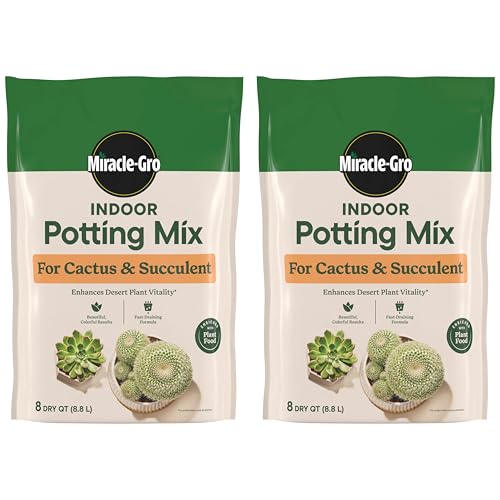
Miracle-Gro Indoor Potting Mix for Cactus and Succulent is enriched with Miracle-Gro Plant Food and enhances desert plant vitality (vs unfed plants when used as directed)

Specially formulated potting mix for tropical plants

HELPS REGULATE SOIL MOISTURE: Miracle-Gro Organic Indoor Potting Soil Mix is an organic potting soil that protects indoor plants against over and under watering
Choosing the Right Soil
Use well-draining sandy soil for optimal growth. Pineapples thrive in a pH range of 4.5 to 6.5, making acidic soils preferable. Look for potting mixes formulated for cacti or succulents, as they provide the necessary drainage. Consider mixing in perlite or coarse sand to improve aeration. Avoid heavy soils that retain water, as they lead to root rot.
Planting Techniques
Follow these steps for successful planting:
- Prepare the Crown: Ensure the pineapple crown is dry and calloused. Remove any remaining fruit flesh to prevent mold.
- Select a Container: Use a pot with drainage holes. A size of 6 to 8 inches in diameter works well for starters.
- Fill the Pot: Add the well-draining soil. Leave about an inch of space below the rim for watering.
- Plant the Crown: Insert the calloused end of the pineapple crown into the soil. Bury the bottom half while keeping the leaves above the soil. Firmly press the soil around it.
- Watering: Water lightly after planting. Ensure moisture reaches the roots, but don’t saturate the soil.
- Placement: Place the pot in a location with 6 to 8 hours of sunlight daily. If indoors, choose a south-facing window.
Following these steps establishes a solid start for your pineapple tree.
Caring for Your Pineapple Tree
Caring for your pineapple tree involves specific techniques that ensure a healthy and productive plant. Focus on watering, nutrition, sunlight, and temperature to optimize growth and fruit production.
Recommended Products
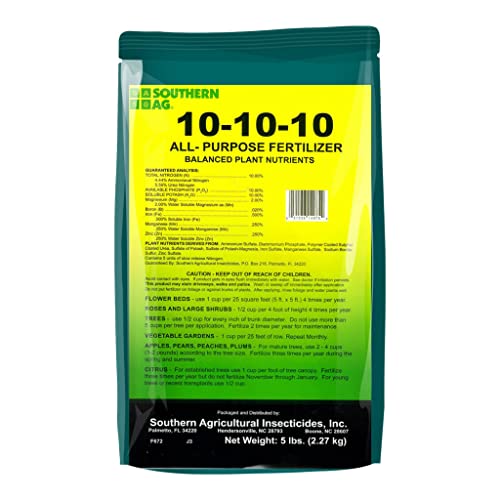
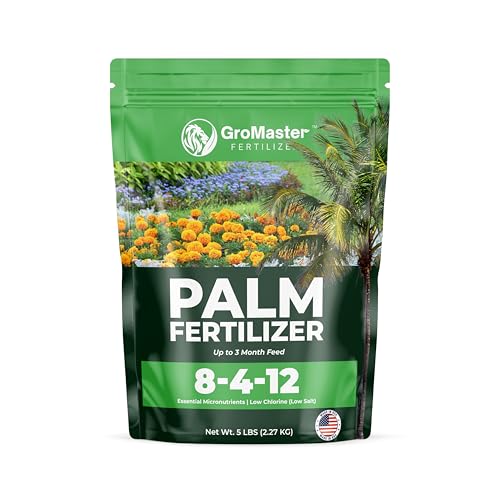
PALM-SPECIFIC FORMULA: 8-4-12 + 4Mg analysis is carefully balanced to support strong root systems, vibrant fronds, and overall palm health.

Pre-measured palm tree fertilizer spikes nourishes at the roots; Apply twice per year between March and October
Watering and Nutrition
Water your pineapple tree when the top inch of soil feels dry. Pineapples prefer moderate watering. Overwatering can lead to root rot, so ensure excess water drains from the pot.
Fertilize your plant every two months with a potassium-rich fertilizer. Look for a balanced fertilizer with a higher ratio of potassium, such as a 10-5-20 formula. This helps support fruit development and overall plant health. Mix the fertilizer with water according to package instructions, and apply it around the base of the plant.
Managing Sunlight and Temperature
Pineapple trees enjoy sunlight and thrive with 6 to 8 hours of direct light daily. Place your plant in a sunny spot, like a south-facing window or outdoors during warm months. If natural light is insufficient, consider using grow lights for additional support.
Maintain a temperature between 65°F and 85°F for optimal growth. Protect your pineapple from cold drafts or temperatures below 50°F, as this can hinder growth and fruit production. If outdoor temperatures drop, bringing the pot inside keeps your plant safe and healthy.
Harvesting the Pineapple
Harvesting a pineapple at the right time ensures the best flavor and sweetness. Identifying the right signals can enhance your experience and make the effort worthwhile.
Signs of Ripeness
Look for these indicators to determine if your pineapple is ripe:
- Color: Ripe pineapples have a vibrant golden-yellow color starting at the base.
- Leaves: Healthy crown leaves appear green and vibrant. When leaves at the top start to turn brown, it can be a sign of ripeness.
- Smell: A sweet, fragrant aroma at the base indicates ripeness. The scent should be strong but not overpowering.
- Firmness: Press the sides gently. A slight give indicates ripeness, while a hard fruit suggests it needs more time.
These signs make it easier to gauge when to pick your pineapple for the best taste.
Proper Harvesting Techniques
Follow these steps for effective harvesting:
- Use a sharp knife: Choose a clean, sharp knife to avoid bruising the fruit.
- Cut close to the base: Slice the pineapple cleanly about an inch above the fruit’s base, ensuring you include some of the stem.
- Twist or pull the crown: If the crown feels loose, you can twist it off. Otherwise, continue cutting.
- Handle gently: After cutting, handle the pineapple carefully to prevent damage. Place it in a basket or cloth to avoid bruising.
Conclusion
Growing a pineapple plant from the fruit is a delightful journey that connects you with nature. With a little patience and care you can transform a simple pineapple crown into a beautiful plant that rewards you with sweet fruit.
Remember to give your pineapple plenty of sunlight and the right soil conditions. Keeping an eye on watering and nutrition will help your plant thrive.
When the time comes to harvest your pineapple you’ll enjoy the satisfaction of tasting something you’ve nurtured from scratch. So grab a pineapple and start your gardening adventure today. You won’t regret it!
Frequently Asked Questions
Can I really grow a pineapple from its crown?
Yes, you can grow a pineapple plant from the crown of a store-bought pineapple. It’s a fun project that yields a rewarding experience and delicious fruit!
What are the best conditions for growing a pineapple?
Pineapple plants thrive in warm, tropical climates with 6 to 8 hours of direct sunlight daily, well-draining sandy soil, and temperatures between 65°F and 85°F.
How long does it take for a pineapple to grow?
Typically, it takes about 2 to 3 years for a pineapple plant to yield fruit. Growth involves several stages: root development, plant growth, flowering, and finally harvesting.
How should I prepare the pineapple crown for planting?
Cut the crown about an inch below the leaves and remove excess fruit flesh. Allow it to dry in a cool, shaded area for 1 to 2 days until the cut end feels calloused.
What type of soil is best for planting a pineapple?
Pineapples prefer well-draining sandy soil with a pH of 4.5 to 6.5. A potting mix designed for cacti or succulents works well.
How often should I water my pineapple plant?
Water the plant when the top inch of soil feels dry. Use moderate watering to prevent root rot, ensuring the plant remains healthy.
When is the best time to harvest a pineapple?
Harvest when the pineapple shows a vibrant golden-yellow color, has healthy green leaves, emits a sweet aroma at the base, and feels slightly firm when pressed.
