

Are you wondering about the perfect time to plant those bare root raspberries in your garden? Picture this: you’ve just received a bundle of bare root raspberry plants, but you’re unsure when and how to get them into the ground. Don’t worry; we’ve got you covered!
Key Takeaways
- Plant bare root raspberries during the dormant season, typically late winter to early spring, to allow roots to establish before active growth.
- Consider soil temperature of 45-60°F (7-15°C) for optimal planting conditions.
- Choose a sunny location with good air circulation and well-draining soil for raspberry plants.
- Prepare soil by testing pH levels, adding organic matter, and digging proper holes for successful growth.
- Plant raspberries at the right depth and spacing to promote healthy growth and airflow.
- Maintain raspberry plants through fertilization, pruning, pest control, and disease prevention for abundant harvests.
The Best Time to Plant Bare Root Raspberries
When it comes to planting bare root raspberries, timing is crucial for their successful growth in your garden. Below are seasonal guidelines and regional considerations that will help you determine the best time to plant your bare root raspberry plants.
Seasonal Guidelines
In general, the best time to plant bare root raspberries is during the dormant season. This usually falls between late winter and early spring when the plants are still inactive. Planting during this period allows the roots to establish themselves before the growing season begins, giving your raspberries a strong start.
If you’re unsure about when exactly to plant, consider checking the soil temperature. Aim for a soil temperature of around 45-60°F (7-15°C) for optimal planting conditions. This temperature range ensures that the roots can develop without being exposed to extreme cold or heat, setting them up for healthy growth once they start actively growing.
Regional Considerations
Your local climate plays a significant role in determining the best time to plant bare root raspberries. Different regions have varying weather patterns that can affect plant growth. It’s essential to research your specific climate zone and understand its nuances before planting your raspberry bushes.
For example, if you live in a colder region with harsh winters, it might be better to wait until late winter or early spring when the risk of frost has passed before planting your bare root raspberries. Conversely, if you reside in a milder climate with less severe winters, you may have more flexibility in choosing when to plant but still aim for the dormant season for optimal results.
By considering both seasonal guidelines and regional factors, you can ensure that you plant your bare root raspberries at the perfect time for them to thrive in your garden.
Preparing to Plant Your Raspberries
When you’re getting ready to plant your raspberries, there are a few key steps you should follow to ensure successful growth. Here’s what you need to consider:
Recommended Products

Plant Type & Variety: Heritage Everbearing Red Raspberry, a hardy perennial producing large, sweet-tart berries in summer and fall.

🍓 Sweet, Juicy Homegrown Raspberries: Enjoy delicious, sun-ripened berries straight from your garden. Perfect for fresh eating, baking, jams, and freezing.

From Hand Picked Nursery, a veteran and family owned business for over 15 years!
Choosing the Right Location
Selecting the ideal location for planting your bare root raspberries is crucial for their overall health and productivity. Here’s how to choose the right spot:
- Sunlight: Pick a sunny location with at least 6-8 hours of sunlight daily for optimal growth.
- Soil Drainage: Ensure the area has well-draining soil to prevent waterlogging, which can harm raspberry plants.
- Air Circulation: Select a spot with good air circulation to reduce the risk of diseases.
By considering these factors, you can set your raspberries up for success in their new home.
Soil Preparation and Requirements
Preparing the soil correctly is essential for providing your raspberry plants with the nutrients they need to thrive. Follow these steps for soil preparation:
- Soil Testing: Conduct a soil test to determine its pH level and nutrient content. Raspberries prefer slightly acidic soil with a pH of 5.5-6.5.
- Amendments: Based on the soil test results, add organic matter like compost or well-rotted manure to improve soil structure and fertility.
- Digging Holes: Dig holes that are wide enough to accommodate the roots without bending them and deep enough so that the crown sits at ground level.
By preparing your soil adequately and meeting the specific requirements of raspberry plants, you can create an environment where they will flourish.
Step-by-Step Guide to Planting Bare Root Raspberries
To ensure successful growth of your bare root raspberries, follow these essential steps:
Recommended Products

Sunlight exposure: Full Sun

From Hand Picked Nursery, a veteran and family owned business for over 15 years!
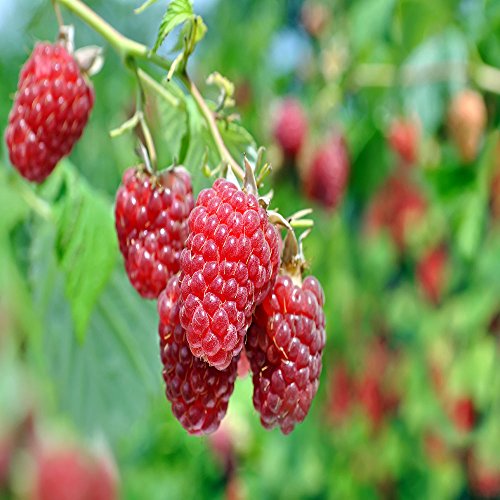
You will receive healthy bare root plants. We always send extra plants. We want to make sure you are completely satisfied.
Planting Depth and Spacing
When planting bare root raspberries, it’s crucial to get the depth and spacing right. Dig a hole deep enough to accommodate the roots without bending or crowding them. Space each raspberry plant about 18-24 inches apart in rows that are 2-3 feet apart. This spacing allows the plants to receive adequate sunlight and airflow, promoting healthy growth.
Watering and Initial Care
After planting your bare root raspberries, water them thoroughly to help settle the soil around the roots. Ensure that the soil remains consistently moist but not waterlogged during the initial establishment period. Regular watering is vital, especially during dry spells or hot weather. Additionally, consider applying a layer of mulch around the plants to retain moisture and suppress weeds.
Maintaining Your Raspberry Plants
When it comes to maintaining your raspberry plants, there are essential tasks you should focus on to ensure healthy growth and abundant harvests. Here’s what you need to know:
Recommended Products

Everbearing Variety: Enjoy two harvests of sweet, delicious red raspberries each year with this Heritage variety that produces fruit in both summer and fall, providing you with an extended harvest season for fresh berries throughout the growing months

FOR USE ON: Use Berry-tone organic fertilizer for all berries including blueberries, strawberries, raspberries, and blackberries

Package contains 6 pounds organic soil acidifier grains and is produced to avoid wasteful runoff, mess, hazards and smells
Fertilization and Pruning
Fertilizing your raspberry plants is crucial for providing them with the necessary nutrients for vigorous growth. Consider using a balanced fertilizer in early spring before new growth starts. Apply the fertilizer according to the manufacturer’s instructions, typically around the base of each plant.
Pruning is another vital aspect of raspberry plant care. Regular pruning helps improve airflow, reduces disease risk, and encourages fruit production. In late winter or early spring, prune out any dead or damaged canes. Additionally, thinning out overcrowded canes can promote better light penetration and airflow within the plant.
Pest and Disease Control
Pest and disease management is essential to protect your raspberry plants from potential threats that can hinder their growth. Keep an eye out for common pests such as aphids, spider mites, and Japanese beetles. Consider using natural predators like ladybugs or insecticidal soap for control.
Diseases like powdery mildew and gray mold (botrytis) can affect raspberry plants if not managed properly. To prevent these diseases, avoid overhead watering which can promote fungal growth. Remove any infected plant material promptly to prevent further spread.
By incorporating proper fertilization practices, regular pruning routines, and efficient pest and disease control measures into your maintenance plan, you’ll set your raspberry plants up for success in producing delicious berries season after season.
Conclusion
You now have all the essential information to plant and care for your bare root raspberries successfully. Remember the key factors like timing, soil temperature, and proper maintenance practices. By following these guidelines, you’ll be on your way to growing healthy raspberry plants with bountiful harvests. Happy planting!
Frequently Asked Questions
When is the best time to plant bare root raspberries?
Plant bare root raspberries during the dormant season when soil temperature is between 40-45°F for optimal growth.
How deep should I plant bare root raspberries?
Plant bare root raspberries with the roots spread out in a hole, burying them 1-2 inches below ground level.
How far apart should I space my raspberry plants?
Space raspberry plants 2-3 feet apart in rows that are 8-10 feet apart to allow proper airflow and growth.
How often should I water newly planted raspberry bushes?
Water newly planted raspberry bushes deeply once a week, ensuring the soil remains consistently moist but not waterlogged.
What kind of initial care do raspberry plants require?
Provide mulch around raspberry plants to retain moisture, suppress weeds, and protect roots during winter months.
How do I fertilize my raspberry plants for optimal growth?
Fertilize raspberry plants with a balanced fertilizer in early spring before new growth emerges for healthy development.
Why is pruning important for maintaining raspberry plants?
Pruning helps improve airflow within the plant, encourages fruit production on new canes, and removes diseased or dead canes.
What are common pests and diseases that affect raspberry plants?
Common pests include aphids which can be controlled using insecticidal soap, while powdery mildew can be managed by improving air circulation and using fungicides if necessary.
