

Have you ever wondered how those juicy blackberries make their way from tiny seeds to delicious fruits in your garden? Picture this: You’re strolling through a lush berry patch, admiring the vibrant colors and sweet aroma of ripening blackberries. But do you know the fascinating journey these berries undergo before ending up on your breakfast plate?
In this article, we’ll explore the remarkable process of how blackberries grow, from planting a humble seed to nurturing a thriving bush bursting with plump berries. By understanding the stages of growth and the care these plants require, you’ll be equipped with valuable insights to cultivate your own bountiful blackberry harvest. Get ready to unlock the secrets behind nature’s bounty and discover the joys of growing your own succulent blackberries right at home.
Key Takeaways
- Blackberries grow through stages including dormant, spring growth, flowering and pollination, fruit development, and harvesting time.
- There are different types of blackberry plants such as erect, trailing, and semi-erect with varying growth habits.
- Essential conditions for growing blackberries include soil preferences, climate and temperature needs that affect plant health and harvest.
- Planting blackberries in suitable soil conditions, providing proper sunlight exposure, and following planting techniques can promote healthy growth.
- Pruning in late winter, mulching for moisture retention, regular watering during dry periods are crucial for maintaining healthy blackberry plants.
- Common challenges in growing blackberries include pest management like spider mites and diseases such as powdery mildew. Proper pruning and containment methods help control overgrowth issues effectively.
Understanding Blackberry Growth
When it comes to understanding how blackberries grow, there are key aspects to consider that can help you cultivate a successful harvest. Let’s delve into the types of blackberry plants and explore the growth cycle of these delicious berries.
Types of Blackberry Plants
- Erect Blackberries: These plants have sturdy canes that grow upright without external support, making them ideal for home gardens.
- Trailing Blackberries: Known for their long canes that require a trellis or support system, trailing blackberries produce abundant fruit but need proper care.
- Semi-Erect Blackberries: Combining traits of both erect and trailing varieties, semi-erect blackberries offer versatility in growth habits.
- Dormant Stage: During winter, blackberry plants are dormant, conserving energy for the upcoming growing season.
- Spring Growth: As temperatures rise in spring, new shoots emerge from the canes, signaling the start of active growth.
- Flowering and Pollination: Beautiful white flowers bloom on the blackberry bushes, attracting pollinators such as bees for fertilization.
- Fruit Development: After successful pollination, tiny green berries form and gradually ripen into juicy blackberries ready for picking.
- Harvesting Time: Depending on the variety, blackberries are typically ready for harvesting in summer or early fall when they reach peak sweetness.
By understanding these essential aspects of blackberry growth, you’ll be better equipped to nurture your plants throughout each stage of their development and enjoy a bountiful harvest at home.
Essential Conditions for Growing Blackberries
To ensure successful growth of blackberries in your garden, it’s crucial to pay attention to the following essential conditions:
Recommended Products

A Natural fertilizer blended especially for acid lovers such as rhododendrons, azaleas, camellias, hydrangeas, evergreens, blueberries, raspberries, strawberries, potatoes and other plants that need a low pH

This fertilizer is blended especially for acid lovers such as rhododendrons, azaleas, camellias, hydrangeas, evergreens, blueberries, raspberries, strawberries, potatoes and other plants that need a low pH

Package contains 6 pounds organic soil acidifier grains and is produced to avoid wasteful runoff, mess, hazards and smells
Soil Preferences
For optimal growth, blackberries thrive in well-drained soil rich in organic matter. A soil pH level between 5.5 and 7 is ideal for these plants. It’s important to avoid waterlogged or compacted soil as it can hinder root development and overall plant health.
Climate and Temperature Needs
Blackberry plants prefer a temperate climate with moderate temperatures. They do best in USDA hardiness zones 5-10, where they can receive adequate sunlight for at least six hours a day. These plants are sensitive to extreme heat or cold, so it’s essential to protect them during harsh weather conditions.
By ensuring your blackberry plants are planted in suitable soil conditions and provided with the right climate and temperature requirements, you can promote healthy growth and increase the likelihood of a bountiful harvest.
Planting and Cultivation Techniques
When and How to Plant Blackberries
Plant blackberries in late winter or early spring when the soil is workable. Choose a sunny spot with well-drained soil rich in organic matter. Dig a hole deep enough to accommodate the roots, spread them out, and cover them with soil. Space plants 3-6 feet apart in rows for optimal growth.
Pruning and Maintenance Tips
Prune blackberry bushes in late winter to remove dead canes and promote new growth. Trim lateral branches to encourage fruit production. Mulch around plants to retain moisture and suppress weeds. Water regularly, especially during dry periods, and fertilize as needed following soil test recommendations for best results.
By following these planting and cultivation techniques, you can ensure healthy blackberry plants that yield delicious fruits season after season.
Recommended Products

4pack Fiberglass Material Raspberry Cross Stake System with Adjustable Cross-bars, Height Adjustable

🌑[Plant Growth Support]:Garden plant trellis are committed to helping your indoor for potted plants and adds to the natural beauty. As plants grow, the houseplant trellis takes the form of a ladder to help your plant climbing and growing.
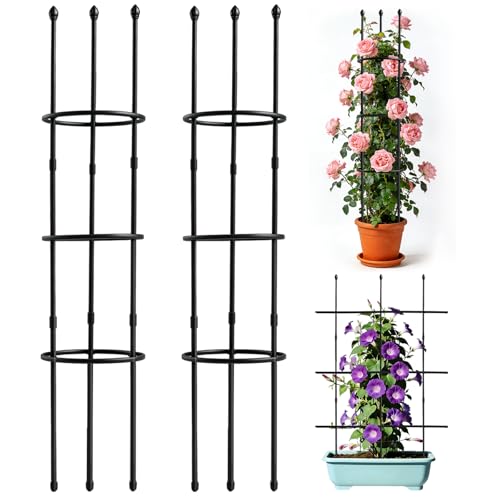
【Two Installation Methods】Our garden trellis can be configured into two types of plant trellis (panel stands and plant cages). You can also combine two or more panels together to form a larger plant stand panel or plant cage. Adjustable plant supports can meet your different plant support needs.
Common Challenges in Growing Blackberries
Growing blackberries can be a rewarding experience, but it also comes with its share of challenges. Here are some common issues you may encounter and how to address them effectively.
Recommended Products

PEST DEFENSE - Insecticidal Super Soap controls species of adelgid, ant, aphid, borer, caterpillar, spider mite, cricket, chinch bug, weevil, fly, thrip, & more.

READY-TO-USE CONTACT SPRAY: No mixing required. Thoroughly spray insecticide on all plant parts, including the underside of leaves. Pests must be sprayed directly to achieve control
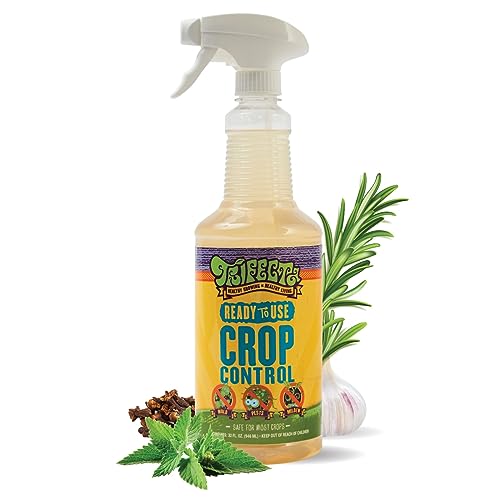
CROP, GARDEN & HOUSEPLANT INSECT CONTROL. Trifecta Crop Control all-natural, plant-based formula effectively combats destructive spider mites, aphids, whiteflies, fungus gnats, and other soft-bodied pests on indoor and outdoor plants. Our biodegradable, eco-friendly solution is safe for use on edible crops, without chemical residues. Our gentle yet potent plant spray suffocates and dehydrates pests without harming beneficial insects or the environment, making it ideal for organic gardening.
Pest and Disease Management
Blackberries are susceptible to various pests and diseases that can hinder their growth and fruit production. Some common pests include spider mites, aphids, and Japanese beetles, while diseases like powdery mildew and cane blight can also affect the plants.
To manage these challenges:
- Regularly inspect your blackberry plants for any signs of pest infestation or disease.
- Implement cultural practices such as proper spacing between plants to improve air circulation and reduce the risk of disease spread.
- Consider using organic insecticides or fungicides if necessary, following the instructions carefully to avoid harming beneficial insects.
Handling Overgrowth and Spread
Blackberry plants have a tendency to overgrow their designated areas quickly due to their vigorous growth habit. If left unchecked, this can lead to overcrowding, reduced sunlight exposure, and poor fruit quality.
To control overgrowth effectively:
- Prune your blackberry plants regularly in late winter or early spring to remove dead or diseased canes and promote new growth.
- Install trellises or supports to guide the plant’s growth direction and prevent sprawling across unwanted areas.
- Use barriers like landscape fabric or root guards to contain the spread of underground runners if growing thorny varieties like erect blackberries.
By addressing these common challenges promptly and proactively managing your blackberry plants’ health, you can ensure a successful harvest season year after year.
Conclusion
You’ve now gained a deeper understanding of how blackberries grow, from planting to harvesting. By knowing the growth stages, soil preferences, and climate conditions, you’re better equipped to nurture your blackberry plants. Managing challenges like pests and diseases through proactive measures such as pruning and support systems ensures healthy plant growth. With this knowledge, you can cultivate thriving blackberry bushes that yield bountiful harvests year after year. Happy growing!
Frequently Asked Questions
What are the different growth stages of blackberries discussed in the article?
The article covers various growth stages of blackberries, from planting to harvesting. It discusses different plant types and their characteristics, highlighting soil preferences and climate conditions for optimal growth.
What common challenges in growing blackberries are addressed in the article?
Common challenges such as pest and disease management are addressed in the article. It mentions issues like spider mites and powdery mildew that growers may encounter while cultivating blackberries.
How can overgrowth issues be managed when growing blackberries?
Overgrowth issues can be managed through pruning and using supports to guide plant growth. The article emphasizes these techniques to help growers effectively handle overgrowth problems.
