

Selecting the right fruit trees for Minnesota ensures successful growth despite the state’s harsh winters. Cold-hardy varieties like apple and cherry thrive, providing delicious yields while withstanding frigid temperatures.
Best Apple Varieties for Minnesota Gardens
When selecting apple varieties for Minnesota gardens, it’s essential to consider their resilience to the state’s harsh winters. The right choices can yield delicious fruit while thriving in the local climate. This section highlights the best apple varieties that not only survive but also flourish in Minnesota’s unique growing conditions.
Apple trees are a popular choice for Minnesota gardeners due to their hardiness and versatility. Varieties such as Honeycrisp, Haralson, and SweeTango are well-suited for the climate. They not only survive but also produce high-quality fruit.
| Variety | Hardiness Zone | Flavor Profile | Harvest Time |
|---|---|---|---|
| Honeycrisp | 3-7 | Sweet, crisp | Late Sept |
| Haralson | 3-7 | Tart, juicy | Late Sept |
| SweeTango | 4-7 | Sweet, tangy | Early Oct |
Planting these varieties in well-drained soil and ensuring proper care will lead to a fruitful harvest. Regular pruning enhances air circulation and sunlight exposure, promoting healthy growth.
Recommended Products
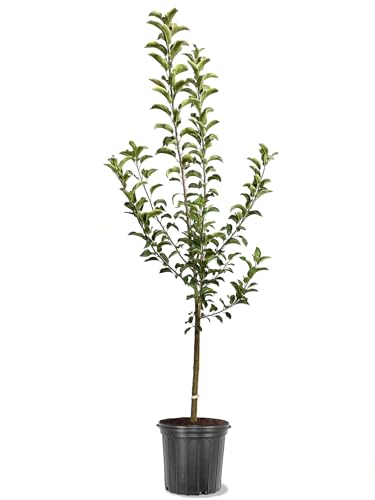
Crisp, Sweet Apples: Produces large, juicy apples with a perfect balance of sweetness and tartness, ideal for fresh eating and baking.

🍎 Classic Fuji Apple Variety from Seed – Fuji Apple Tree Seeds allow growers to start one of the world’s most loved apple varieties known for its crisp texture and naturally sweet flavor. This long-term growing project is ideal for home orchards, backyard fruit gardens, and growers who enjoy raising trees from seed.

Live Fruit-Bearing Apple Tree – Grow your own Gravenstein apples, a classic heirloom variety known for its sweet-tart flavor and crisp texture, perfect for fresh eating, baking, and cider-making
Minnesota’s Best Cherry Tree Varieties
When selecting cherry trees for Minnesota, it’s essential to consider varieties that can withstand the state’s harsh winters while still producing delicious fruit. The following options have proven resilient and fruitful, making them ideal choices for both novice and experienced gardeners looking to enhance their landscapes with these vibrant trees.
Cherry trees add beauty and flavor to any garden. Montmorency and North Star are two excellent choices for Minnesota’s climate. Both varieties are self-pollinating and produce abundant fruit.
| Variety | Hardiness Zone | Fruit Type | Harvest Time |
|---|---|---|---|
| Montmorency | 4-7 | Tart | Mid July |
| North Star | 4-7 | Sweet | Late July |
These trees prefer full sun and well-drained soil. Regular watering during dry spells is essential for optimal fruit development.
Cold-Hardy Pear Varieties for Minnesota
Minnesota’s harsh winters can pose a challenge for fruit tree cultivation, but cold-hardy pear varieties offer a viable solution. These resilient trees not only withstand frigid temperatures but also produce delicious fruit, making them an excellent choice for local gardeners. Explore the best options to ensure a fruitful harvest despite the state’s challenging climate.
Pear trees are another viable option for Minnesota gardeners. Varieties such as Bartlett and Kieffer are known for their resilience and delicious fruit. They thrive in well-drained soil and full sunlight.
| Variety | Hardiness Zone | Flavor Profile | Harvest Time |
|---|---|---|---|
| Bartlett | 4-7 | Sweet | Late Aug |
| Kieffer | 4-7 | Spicy, sweet | Early Sept |
These trees benefit from cross-pollination, so planting multiple varieties can enhance fruit yield. Regular pruning helps maintain tree shape and health.
Recommended Products


🍇 Sweet, Medium-Sized Figs – Rich flavor with glossy dark purple skin and vibrant interior.

Each offer includes one plant grown in a 4 inch pot
Minnesota Plum Varieties for Cold Climates
Minnesota’s cold climate poses unique challenges for fruit cultivation, particularly for plum trees. However, several hardy varieties have adapted well to withstand frigid temperatures while still producing delicious fruit. These Minnesota plum varieties not only thrive in harsh winters but also offer gardeners a rewarding experience with their resilience and flavor.
Plum trees offer a delightful addition to any landscape. Methley and Superior plums are well-suited for Minnesota’s cold climate. These varieties produce sweet fruit and are relatively easy to grow.
| Variety | Hardiness Zone | Flavor Profile | Harvest Time |
|---|---|---|---|
| Methley | 4-8 | Sweet | Late July |
| Superior | 4-8 | Sweet, juicy | Early Aug |
Ensure these trees have ample sunlight and water during dry spells. Regular maintenance, including pruning, will promote healthy growth and fruit production.
Planting Factors for Minnesota Fruit Trees
When selecting fruit trees for Minnesota, understanding the unique planting factors is crucial for ensuring their survival through harsh winters. The state’s cold climate, soil conditions, and varying microclimates all play significant roles in the successful establishment and growth of these trees. Careful consideration of these elements will help you choose the right varieties for your garden.
When planting fruit trees in Minnesota, several factors should be considered. Choose a location with full sun exposure and well-drained soil.
Soil Testing: Test soil pH and nutrient levels to ensure optimal growth.
Spacing: Allow adequate space between trees to promote air circulation.
Mulching: Apply mulch to retain soil moisture and suppress weeds.
Regular monitoring for pests and diseases is crucial for maintaining tree health. Implementing integrated pest management strategies can minimize damage and ensure a bountiful harvest.
Winter Protection Strategies for Minnesota Fruit Trees
Minnesota’s harsh winters pose unique challenges for fruit trees, making winter protection essential for their survival and productivity. Understanding effective strategies to shield these trees from extreme cold, wind, and snow can ensure a fruitful harvest come spring. This section explores practical methods to safeguard your fruit trees during the long, frigid months.
Winter protection is vital for fruit trees in Minnesota. Here are key strategies to help trees survive the harsh conditions.
Wrap Trunks: Use tree wrap to protect young trees from frost damage.
Mulch: Apply a thick layer of mulch around the base to insulate roots.
Watering: Ensure trees are well-watered before the ground freezes.
These practices will enhance the resilience of your fruit trees during winter months. Proper care leads to healthier trees and better yields in the growing season.
