

Have you ever wondered how often cherry trees bear fruit? If you’ve planted one or are thinking about it, knowing the fruiting schedule can help you plan your garden better. Cherry trees can be a delightful addition to your yard, but their fruiting habits can vary.
Key Takeaways
- Fruiting Schedule: Cherry trees typically bear fruit in late spring to early summer, starting three to five years after planting, with sweet varieties yielding annually and sour varieties sometimes opting for alternate years.
- Pollination Requirements: Many cherry trees require cross-pollination; planting various types nearby can enhance fruit set and overall yield.
- Growth Conditions: Optimal growth requires well-drained soil with a pH of 6.0 to 7.0, at least six hours of sunlight daily, and consistent watering.
- Age and Yield: Older cherry trees tend to produce more fruit, peaking at around 10 to 15 years of age; they can remain productive for up to 30 years with proper care.
- Best Practices for Care: Regular pruning, appropriate fertilization, and monitoring for pests play crucial roles in maximizing fruit production and maintaining tree health.
Overview of Cherry Trees
Cherry trees belong to the genus Prunus and typically thrive in temperate climates. You can find two main types of cherry trees: sweet and sour. Sweet cherries, like Bing, are often enjoyed fresh, while sour cherries, such as Montmorency, are popular for baking.
Growth Requirements
Cherry trees need specific conditions for optimal growth. They thrive in well-drained soil with a pH of 6.0 to 7.0. Full sunlight for at least six hours daily is crucial for producing healthy fruit. While cherry trees can tolerate drought, consistent watering helps their fruit development.
Fruiting Cycle
Cherry trees generally bear fruit in late spring to early summer. The exact timing varies based on the tree variety and local climate. Trees typically start producing fruit three to five years after planting. Regular pruning encourages production and maintains tree health.
Pollination Needs
Many cherry trees require cross-pollination to bear fruit. Planting different varieties within proximity increases the chances of fruit set. Check local resources for compatible varieties to ensure fruitful trees.
Maintenance Tips
Regular maintenance leads to better fruit yields. Here are some essential practices:
- Watering: Water the trees deeply during dry spells.
- Fertilizing: Fertilize with a balanced fertilizer in early spring.
- Pruning: Prune during dormant seasons to promote healthy growth.
- Pest Control: Monitor for pests and diseases, using organic solutions whenever possible.
Understanding these factors helps you plan your garden effectively, ensuring that your cherry trees flourish and produce fruit consistently.
Factors Influencing Fruit Bearing
Several factors determine how often cherry trees bear fruit. Understanding these components can enhance your success in growing these trees.
Type of Cherry Tree
Cherry trees fall into two main categories: sweet and sour. Sweet cherry trees (Prunus avium) typically yield fruits every year once they mature. Sour cherry trees (Prunus cerasus) may bear fruit annually, but some varieties tend to produce every other year. Knowing the type you’re planting helps set expectations for fruit production.
Climate and Weather Conditions
Climate plays a crucial role in fruit bearing. Cherry trees thrive in temperate zones with distinct seasons. They require a chilling period in winter for proper bloom formation. Insufficient chill hours can delay or reduce fruit production. Frost during flowering also impacts yield; late frosts can damage blossoms, resulting in fewer cherries or none at all.
Soil Quality and Care
Soil quality significantly affects cherry tree productivity. Well-drained, loamy soil with a pH between 6.0 and 7.0 fosters healthy growth. Regularly testing your soil can help determine if amendments are necessary. Proper care, including adequate watering, mulching, and fertilizing, ensures optimal health. Healthy trees are better equipped to produce fruit consistently.
Fruit Bearing Cycle
Cherry trees bear fruit on a cycle influenced by their age, type, and environmental factors. Understanding this cycle helps you plan for optimal fruit production.
Recommended Products
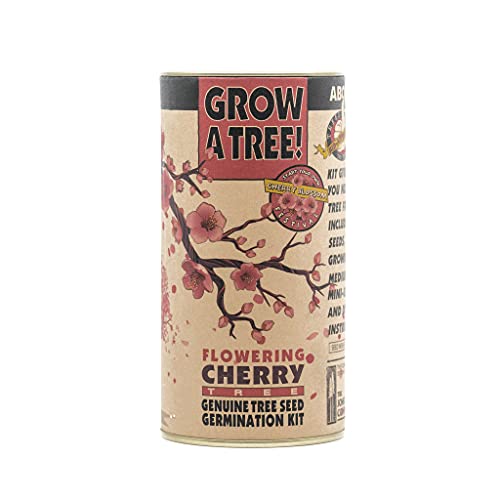
Grow your own tree from seed!

Grow one of Washington D.C.'s iconic cherry trees from seed!

4 kinds of the most popular fruits, individually packaged, 50pcs Lemon seeds 50pcs Cherry seeds 50pcs Orange seeds 50pcs Apple seeds Fresh seeds, all fruit seeds are packed in tear and moisture resistant zipper sealed bags for your long term storage.
Age of the Tree
Age plays a critical role in when cherry trees start bearing fruit. Generally, cherry trees begin producing fruit three to five years after planting. Sweet varieties typically start earlier, while sour varieties might take longer. Older trees often yield more fruit, reaching peak production around 10 to 15 years of age. After this peak, production may decline, but many trees can remain productive for 20 to 30 years with proper care.
Typical Yield Patterns
Yield patterns vary by cherry tree type.
- Sweet Cherry Trees: These trees often produce fruit annually, offering consistent yields. Under ideal conditions, they can yield 30 to 50 pounds of fruit per tree each season.
- Sour Cherry Trees: These trees may alternate years of heavy production with lighter ones. In a good year, they can yield 20 to 30 pounds of fruit, while off years can see drastically reduced yields.
Climate also influences yield patterns. Cherry trees thrive with a cold winter chill, followed by a warm spring. If winter temperatures are too mild, the blooming may be impacted, resulting in poorer yields. Monitoring local weather patterns and caring for your trees accordingly enhances fruit production.
Best Practices for Maximizing Fruit Production
To enhance the fruit production of cherry trees, you’ll find that specific care practices significantly impact yield. Implementing best practices for pruning and fertilization ensures your trees thrive and produce fruit consistently.
Recommended Products

Seal & Protect Tree Wounds Fast: Thick 2X concentrated formula designed to coat and seal cuts, cracks, and bark damage. This tree wound sealer supports natural healing by creating a durable moisture-resistant layer. Works as a reliable tree wound dressing for pruning, storm recovery, or grafting.

Grow your own bonsai tree from seed!

Grow an iconic Japanese cherry tree from seed!
Pruning Techniques
Pruning cherry trees optimally promotes healthy growth and fruit bearing. Focus on these key techniques:
- Timing: Prune in late winter or early spring before buds swell. This timing minimizes stress on the tree and encourages robust growth.
- Shape: Maintain an open center structure. This shape allows sunlight to reach all parts of the tree, improving fruit quality.
- Removal: Remove dead or diseased branches promptly. This action prevents disease spread and fosters healthier trees.
- Thinning: Thin out crowded branches. This practice reduces competition for nutrients and enhances air circulation, decreasing disease risk.
By following these techniques, you can promote a more productive cherry tree in your garden.
Fertilization Tips
Fertilizing cherry trees appropriately supports strong growth and abundant fruit. Utilize these fertilization tips:
- Soil Testing: Conduct a soil test to determine nutrient levels. This insight helps you choose the right fertilizer type for your soil’s needs.
- Balanced Fertilizer: Apply a balanced fertilizer formulated for fruit trees, ensuring it includes nitrogen, phosphorus, and potassium.
- Timing: Fertilize in early spring as new growth appears. Halting fertilization in the fall avoids stimulating unnecessary growth before winter dormancy.
- Amount: Follow recommended application rates based on tree size and age. Typically, younger trees require less fertilizer than mature trees.
Adhering to these fertilization methods helps ensure your cherry trees produce fruit consistently and abundantly.
Conclusion
Understanding how often cherry trees bear fruit can really help you make the most of your garden. Whether you’re growing sweet or sour varieties knowing their unique needs and fruiting cycles lets you plan better.
By providing the right care and keeping an eye on local weather conditions you’ll set yourself up for a fruitful harvest. Remember that patience is key as it may take a few years for your trees to start producing.
With the right practices in place you can enjoy the beauty and bounty of cherry trees for many years to come. Happy gardening!
Frequently Asked Questions
When do cherry trees typically bear fruit?
Cherry trees usually bear fruit in late spring to early summer. Sweet varieties typically start producing fruit three to five years after planting, whereas sour varieties may take longer and may yield every other year.
What are the main types of cherry trees?
The two main types of cherry trees are sweet and sour. Sweet cherries are often enjoyed fresh, while sour cherries are commonly used for baking and cooking due to their tart flavor.
What do cherry trees require for optimal growth?
Cherry trees thrive in well-drained loamy soil, receive adequate sunlight, and need consistent watering. It’s important to conduct soil tests regularly to ensure the right conditions for growth and fruit production.
How does cross-pollination affect cherry trees?
Many cherry tree varieties require cross-pollination to produce fruit effectively. Planting different compatible varieties nearby can enhance fruit yield by improving pollination.
What affects the fruiting cycle of cherry trees?
The fruiting cycle can be influenced by the tree’s age, variety, weather conditions, and soil quality. Older trees generally produce more fruit, while environmental factors like late frosts can impact overall yield.
How can I maximize fruit production in my cherry trees?
To maximize fruit production, practice proper pruning to maintain an open center and remove dead or crowded branches. Additionally, fertilize appropriately based on soil tests and follow recommended application times and amounts.
How long do cherry trees remain productive?
With proper care, cherry trees can remain productive for 20 to 30 years. They typically reach peak production between 10 to 15 years of age, with maintaining optimal health being crucial for longevity.
What is the yield of cherry trees?
Sweet cherry trees can yield 30 to 50 pounds of fruit annually under ideal conditions, while sour varieties may alternate between heavy and light production years, yielding 20 to 30 pounds in good years.
