

Have you ever wondered if you could grow a banana tree right from the fruit you enjoy? Imagine plucking a ripe banana from your kitchen counter and turning it into a lush green tree in your backyard. It sounds like a fun project, doesn’t it?
Growing a banana tree from fruit is not just possible; it can be a rewarding experience. You’ll learn how to take that leftover banana and turn it into something beautiful. This article will guide you through the simple steps to make it happen, helping you enjoy the process and the fruits of your labor. Ready to get started?
Key Takeaways
- Growing from Fruit: You can successfully grow a banana tree from a ripe banana, specifically using well-matured fruit for better germination rates.
- Optimal Conditions: Banana plants thrive in warm temperatures (75°F to 95°F), with well-draining, nutrient-rich soil and full sunlight for at least six hours daily.
- Growth Cycle: Banana plants undergo distinct stages: germination (2 weeks), vegetative growth (6 months to a year), flowering, and harvesting (9 to 12 months post-flowering).
- Planting Essentials: Prepare soil with peat moss, compost, and perlite; ensure proper moisture; and cover seeds to create a humid environment for successful germination.
- Care Requirements: Regular watering (1-2 inches weekly) and monthly fertilization are crucial, along with monitoring for pests and diseases like aphids and fungal infections.
- Troubleshooting Tips: Address common issues by ensuring adequate sunlight, maintaining warmth, and adjusting your watering schedule based on environmental conditions.
Understanding Banana Trees
Banana trees, or more accurately, banana plants, belong to the genus Musa. These tropical plants thrive in warm environments, enjoying temperatures between 75°F and 95°F (24°C and 35°C). Discussing the features of banana trees highlights both their beauty and utility.
Physical Characteristics
- Height: Banana plants can reach heights of 10 to 25 feet (3 to 7.6 meters).
- Leaves: Their large leaves can span up to 9 feet (2.7 meters) long, creating a lush canopy.
- Flowers: The flowers appear in clusters, usually hidden beneath the leaves. They emerge as purple buds.
Growing Conditions
- Soil: Well-draining, rich soil is ideal. Consider using potting soil mixed with compost for nutrient retention.
- Water: Regular watering keeps the soil moist but not soggy. Aim for about 1 to 2 inches (2.5 to 5 centimeters) of water weekly.
- Sunlight: Full sunlight is crucial. Ensure your banana plant receives at least six hours of direct sunlight daily.
Common Varieties
Familiarity with common banana varieties enhances your growing experience.
- Cavendish: Popular worldwide, known for its sweet flavor.
- Lady Finger: Smaller and sweeter, often consumed fresh.
- Red Banana: Distinctive reddish-purple skin, with a creamier texture.
Growth Cycle
Understanding the growth cycle of a banana tree helps set realistic expectations.
- Germination: Seeds sprout within two weeks in optimal conditions.
- Vegetative Stage: The plant grows leaves rapidly, usually lasting six months to a year.
- Flowering: After maturity, the plant produces flowers that develop into fruit over several months.
- Harvesting: Bananas are ready for harvest when they are plump and green, typically 9 to 12 months after flowering.
Benefits of Growing Banana Trees
Growing banana trees offers various benefits:
- Fruits: Homegrown bananas provide fresh and organic produce.
- Aesthetics: Banana plants enhance the beauty of your garden.
- Shade: Their large leaves create pleasant shade areas.
These insights into banana trees prepare you for the next steps in your gardening journey. Understanding their characteristics, conditions, and growth cycles sets the foundation for a successful cultivation experience.
Preparing for Planting
Preparation sets the stage for a successful banana tree planting project. Focus on selecting the right fruit and gathering your materials.
Recommended Products

Tree Root Growing Box: The cutting globe design helps your cuttings get stronger roots and reproduce more mature trees faster than the normal spread method.

2X MORE VALUE: The 16 oz bottle of Banana Plant Fertilizer makes 16 gallons of banana fertilizer for fruit trees, while the bigger size 32 oz bottle makes 32 gallons for lasting care of your banana trees.
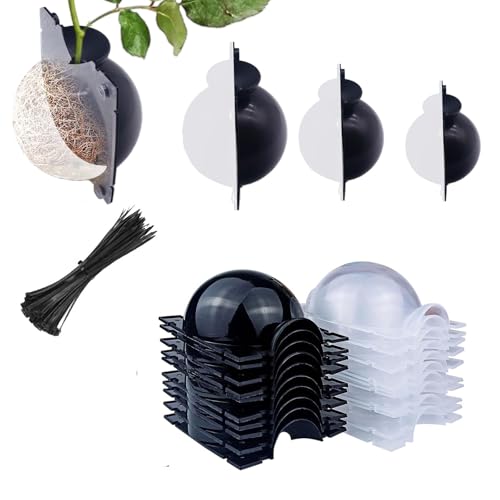
【Efficient Plant Propagation Tool】: translucent grafting ball design, easy to observe root growth and accelerate the plant propagation process.
Choosing the Right Banana Fruit
Select a ripe banana for planting. Look for bananas with brown spots, indicating they are fully mature. Overripe bananas provide better germination results. Ensure the banana is free from signs of disease or damage, as a healthy fruit supports strong growth.
Gathering Required Materials
Collect essential materials before planting. You need:
- Ripe Banana: Use the selected fruit for propagation.
- Container: Choose a pot with drainage holes to ensure proper water flow.
- Soil: Opt for well-draining potting mix rich in organic matter.
- Watering Can: Use this for adequate moisture control.
- Plastic Wrap: Cover the container to create a humid environment for germination.
With these items ready, you’re set to begin the planting process.
Planting Process
Growing a banana tree from fruit involves a few straightforward steps. By focusing on extracting seeds, preparing the soil, and planting the seeds, you can kickstart your banana-growing journey.
Extracting Seeds from Banana Fruit
Start by cutting a ripe banana into several small pieces. Each piece should contain a section of the fruit’s flesh. These portions have viable seeds embedded within them. Remove the seeds carefully, ensuring you extract them without damaging the flesh. After extracting the seeds, rinse them gently under water to remove any remaining fruit residue. This step helps prevent mold during germination.
Preparing the Soil for Planting
Choose a container with drainage holes to ensure proper water flow. Fill it with a well-draining potting mix. A good blend includes equal parts of peat moss, compost, and perlite. This mixture provides essential nutrients and aeration for the roots. Moistening the soil before planting is crucial; ensure the mix is damp but not soggy to prevent seed rot.
Planting the Seeds
Plant each seed piece about 1-2 inches deep into the prepared soil. Leave some space between each piece to encourage healthy growth. Cover the seeds lightly with soil, making sure not to pack it too tightly. Water the area gently after planting to settle the soil around the seeds. To create a humid environment, cover the container with plastic wrap, securing it around the edges. Place the container in a warm spot, ideally between 75°F and 85°F. Check the moisture level regularly and mist the soil if it feels dry. Germination typically occurs within a few weeks, signaling the start of your banana tree’s growth.
Caring for Your Banana Plant
Caring for your banana plant is essential for healthy growth and fruit production. Paying attention to watering, nutrition, sunlight, and temperature creates the perfect environment for your banana tree to thrive.
Recommended Products

PREMIUM FUEL LIQUID FERTILIZER: Wellspring Gardens Banana Fuel Liquid Fertilizer Concentrate provides a quality nutrient blend with minor elements that could grow your plants. Its 3-1-6 formula ratio is the ideal fertilizer ration according to University of Florida which is what our product is made of.

PREMIUM QUALITY INGREDIENTS – Cz Garden Muriate of Potash is a water soluble, high purity, premium phosphate fertilizer for all indoor/outdoor flowers, lawn, and garden vegetables.

CONTAINS: Potash is an enriched source of potassium; 0-0-60 fertilizer analysis with no sludges or fillers
Watering and Nutrition
Water your banana plant regularly but avoid overwatering. Soil should remain moist but not soggy. Watering once or twice a week works well, depending on factors like temperature and humidity. Ensure the pot has drainage holes to prevent root rot.
Fertilize your banana plant monthly using a balanced fertilizer, preferably one rich in potassium. A ratio like 10-10-10 or 5-10-10 suits well. This nutrient boosts growth and enhances fruit production. Compost also enhances soil quality, providing extra nutrients your plant craves.
Sunlight and Temperature Requirements
Position your banana plant in a spot with full sunlight for optimal growth, ensuring it receives at least 6 to 8 hours of direct sunlight daily. Insufficient light hinders growth and fruit development.
Maintain a warm environment between 75°F and 95°F (24°C and 35°C) for your banana plant. Adapt accordingly if temperatures drop below 50°F (10°C), as cold can stunt growth. If necessary, move the plant indoors or use a heat lamp to maintain adequate warmth.
Troubleshooting Common Issues
Growing a banana tree from fruit presents challenges. Identifying and addressing these issues can ensure your plant thrives.
Pests and Diseases
Monitor your banana plant for pests like aphids, spider mites, and mealybugs. These insects can weaken your plant by sucking its sap. If you notice pests, use insecticidal soap or neem oil as a natural treatment. Ensure you spray both the top and underside of leaves for thorough coverage.
Diseases can also affect banana plants. Fungal infections, like leaf spot, often appear as brown or black spots on leaves. To combat this, remove affected leaves and apply a fungicide according to package instructions. Ensuring good air circulation around your plant can also help prevent fungal issues.
Environmental Challenges
Banana plants thrive in warm, sunny conditions. If the temperature drops below 50°F (10°C), consider moving your plant indoors or providing extra warmth. Lack of sunlight can hinder growth; ensure your banana tree gets at least 6 to 8 hours of direct sunlight daily.
Watering can also be a challenge. Overwatering can lead to root rot, while underwatering can cause wilting. Water your banana plant once or twice a week, allowing the top inch of soil to dry between watering. Adjust your watering routine based on the season and environmental conditions, especially during dry spells or periods of heavy rain.
By staying vigilant against pests and diseases and addressing environmental challenges promptly, you can cultivate a healthy banana tree from fruit.
Conclusion
Growing a banana tree from fruit is a delightful journey that lets you connect with nature while enjoying the fruits of your labor. With a little patience and care you can transform a simple banana into a thriving plant that adds beauty and freshness to your garden.
Don’t forget to keep an eye on your plant’s needs and be proactive in addressing any challenges that come your way. Whether you’re in it for the shade the aesthetics or the delicious bananas you’ll reap the rewards of your efforts. So grab that ripe banana and start your gardening adventure today. Happy planting!
Frequently Asked Questions
Can I really grow a banana tree from a ripe banana?
Yes, you can grow a banana plant from a ripe banana. By extracting the seeds, preparing the soil, and following the right steps, you can turn leftover fruit into a thriving banana tree.
What are the ideal conditions for growing a banana tree?
Banana trees thrive in warm temperatures between 75°F and 95°F (24°C and 35°C), with plenty of sunlight, well-draining rich soil, and regular watering.
How long does it take for a banana tree to produce fruit?
Typically, it takes about 9 to 12 months from germination to harvesting fruit after flowering occurs.
What materials do I need to start growing a banana tree?
You will need a ripe banana with brown spots, a container with drainage holes, well-draining potting mix, a watering can, and plastic wrap for creating humidity.
How do I care for my banana plant?
Water the banana plant regularly without overwatering, provide at least 6 to 8 hours of direct sunlight daily, and use a balanced potassium-rich fertilizer to support growth.
What common pests should I look out for?
Be vigilant against pests like aphids, spider mites, and mealybugs. Use insecticidal soap or neem oil to manage any infestations you encounter.
How can I prevent diseases in my banana tree?
Monitor your plant for signs of fungal infections, remove affected leaves, and apply fungicides as needed. Proper watering practices also help prevent root rot.
What should I do if temperatures drop below 50°F (10°C)?
If temperatures drop below 50°F (10°C), you may need to provide additional warmth or consider bringing your banana plant indoors to protect it from cold stress.
