

Ever wondered how many apples an apple tree can actually bear? If you’ve got a backyard tree or are thinking about planting one, knowing its potential yield can make a big difference in your plans.
Imagine walking out to your garden and picking fresh, juicy apples right off the branch. It’s not just a dream; understanding the factors that influence an apple tree’s production can help you enjoy a bountiful harvest.
In this article, you’ll discover what affects the fruit yield of apple trees and how to maximize your harvest. Whether you’re a seasoned gardener or a curious newbie, you’ll find useful insights to help your apple tree thrive.
Key Takeaways
- Apple Yield Potential: A well-maintained apple tree can produce between 50 to 300 apples annually, with mature trees yielding up to 800 apples under optimal conditions.
- Influential Factors: Factors such as tree age, apple variety, soil quality, pollination, and weather conditions significantly impact apple production.
- Tree Age Matters: Young apple trees yield significantly fewer fruits (10-50 apples) than mature trees (400-800 apples) as they reach full production potential in their second decade.
- Variety Selection: Different apple varieties have varying yields; for example, Fuji apples tend to produce more than Granny Smiths, so choose wisely based on your climate and space.
- Growing Practices: Regular pruning, consistent watering, and thoughtful fertilization using balanced nutrients can optimize yield and enhance overall tree health.
- Weather Considerations: Seasonal weather variations, such as spring frosts and dry spells, can influence fruit set and production, highlighting the importance of protective measures.
Overview Of Apple Tree Fruit Production
Apple trees produce varying amounts of fruit depending on several factors. You can expect a well-maintained apple tree to yield between 50 to 300 apples annually. However, some mature trees may yield up to 800 apples in optimal conditions.
Factors Influencing Apple Tree Yield
- Tree Age: Young apple trees (1-3 years) typically produce few fruits. By years 4-8, yields increase significantly. Mature trees (over 10 years) reach their full production potential.
- Apple Variety: Different apple varieties have distinct yield rates. For instance, Fuji apples often yield more than Granny Smiths. Choose a variety that suits your space and climate.
- Pollination: Cross-pollination enhances fruit set. Encourage pollinators by planting multiple apple trees or nearby flowering plants. Honeybees and insects play a crucial role in this process.
- Soil Quality: Nutrient-rich, well-drained soil promotes healthier trees and better yields. Test your soil and amend it as necessary with organic compost or fertilizer for optimal growth.
- Weather Conditions: Weather influences blossom and fruit development. Frost during blooming can damage flowers and reduce yields. Consistent watering and protection from extreme weather contribute to healthier trees.
Average Yield per Tree
| Apple Tree Age | Average Yield (Apples per Year) |
|---|---|
| 1-3 years | 10-50 |
| 4-8 years | 50-200 |
| 9-15 years | 200-400 |
| 16+ years | 400-800 |
- Prune Regularly: Prune trees in late winter or early spring to promote better airflow and sunlight penetration. This practice leads to healthier fruit development.
- Water Consistently: During dry spells, water apple trees deeply every week. Consistency helps with fruit set and overall tree health.
- Fertilize Wisely: Apply a balanced fertilizer in early spring. Follow the recommended rates based on soil tests to avoid nutrient burn.
- Monitor Pests and Diseases: Regularly check for signs of pests or diseases. Early intervention minimizes damage and maximizes yield.
You can enjoy the satisfaction of harvesting fresh apples when you understand the influences and practices that drive apple tree fruit production.
Factors Affecting Apple Tree Yield
Understanding the factors affecting apple tree yield helps you maximize your harvest. Key elements include tree age, variety of apple, and growing conditions.
Recommended Products

Made for Lemon & Citrus Trees – Formulated to support healthy growth in lemon and citrus plants.
Approximately 3 Pounds

Made for Apple Trees – Formulated to support healthy growth in apple and fruit-bearing trees.
Tree Age
Tree age significantly influences apple production. Young apple trees, typically under five years old, produce fewer fruits, often ranging from 10 to 50 apples annually. As trees mature, their yield increases. Mature trees, around 10 to 15 years old, can produce between 100 to 800 apples, depending on other factors. Proper care during the early years ensures strong growth and higher yields later.
Variety of Apple
The variety of apple you choose also impacts yield. Different apple types produce varying amounts of fruit. For example, popular varieties like Honeycrisp and Fuji can yield significantly more than others, such as some heirloom types. Knowledge of your specific variety’s yield potential aids in setting realistic expectations. Additionally, some varieties may have better resistance to pests, enhancing overall production.
Growing Conditions
Growing conditions encompass soil quality, pollination, and weather patterns. Nutrient-rich soil improves tree health and fruit output. Well-drained soil with sufficient organic matter often yields better results. Pollination is critical; ensuring cross-pollination with another apple variety can enhance fruit set. Weather conditions also play a role. Ideal temperatures during blooming and fruit development promote higher yields, while frosts or heavy rains can damage flowers and reduce production.
Average Apple Tree Yield
Apple trees typically provide a range of fruit production based on various factors. Knowing what to expect helps you plan your apple-growing strategy effectively.
Recommended Products
FORMULATED FOR CITRUS AND FRUIT TREES: Use these citrus fertilizer spikes on apple, orange, lemon, lime, and avocado trees; this formula is also great for feeding palm trees
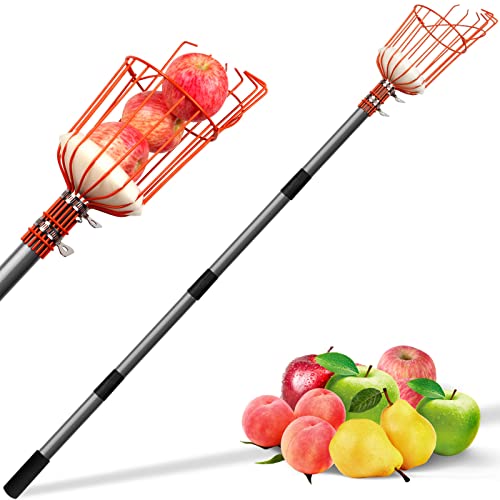
【Gentle Harvesting& Less Bruising】:This fruit picker basket features a cushioned foam pad that gently absorbs impact when fruits drop, helping reduce bruising and damage. The large-capacity metal basket is suitable for fruits ranging from 1-5.5 inches in diameter. Such as apples, mangoes, cherries, and other fruits, it ensures cleaner and safer picking with less waste.
Typical Production Rates
Most apple trees yield between 50 and 300 apples each year. Mature trees can reach impressive figures, sometimes producing up to 800 apples under optimal conditions. For example, a well-cared-for Honeycrisp tree can deliver a substantial harvest, while heirloom varieties often produce fewer fruit. Age and variety significantly impact production rates, so observing these factors helps you estimate your potential harvest.
Seasonal Variations
Production rates can fluctuate seasonally due to several influences. Early spring frost can damage blossoms, reducing yield. Conversely, a mild fall often leads to better fruit set, increasing the number of apples. Monitoring weather patterns ensures you recognize trends that could affect your apple production throughout the year. Prioritizing care during critical seasons—like pruning in winter or watering during dry spells—can optimize fruit output.
Best Practices For Maximizing Yield
Maximizing the yield of your apple tree requires careful attention and specific practices. Implementing effective techniques in pruning and fertilization can significantly boost fruit production.
Recommended Products

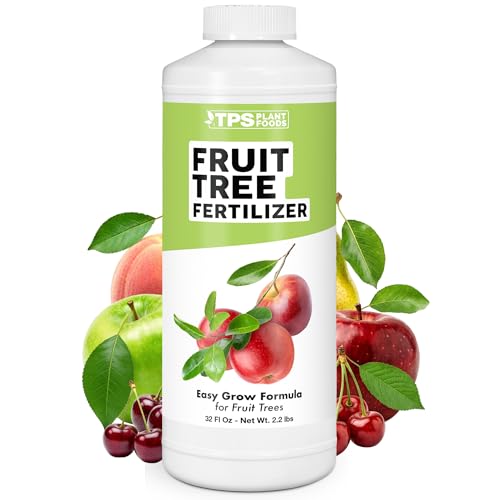
Made for Fruit Trees – Formulated to support healthy growth in a wide range of fruit-bearing trees.

Pruning Techniques
Pruning is essential for maintaining tree health and maximizing fruit yield. Focus on these key steps:
- Remove Dead or Diseased Wood: Cut away any branches that show signs of disease or decay. This improves air circulation and reduces pest habitats.
- Thin Out Crowded Branches: Trim branches that are too close together. This encourages sunlight exposure and promotes better fruit growth.
- Shape the Tree: Maintain a balanced shape, such as the central leader method. This ensures all branches get adequate sunlight, enhancing overall fruit production.
- Timing Matters: Prune your apple tree during late winter or early spring while the tree is still dormant. This timing minimizes stress and promotes vigorous growth.
Fertilization Strategies
Proper fertilization provides essential nutrients for your apple tree. Follow these strategies for effective fertilization:
- Soil Testing: Test your soil before fertilizing to determine nutrient levels and pH. Adjust your fertilization plan based on the results.
- Use a Balanced Fertilizer: Choose a balanced fertilizer with equal parts nitrogen, phosphorus, and potassium (e.g., 10-10-10). This supports overall tree growth and fruit development.
- Apply at the Right Time: Fertilize in early spring as the tree starts to grow and again in early summer. This timing supports optimal growth during the primary growing season.
- Consider Organic Options: Use compost or well-rotted manure as a natural fertilizer. These options enrich the soil while promoting strong, healthy growth.
Implementing these best practices in pruning and fertilization can dramatically enhance your apple tree’s yield, leading to a plentiful harvest of delicious fruit.
Conclusion
Growing your own apple tree can be a rewarding experience that brings fresh fruit right to your doorstep. By understanding the various factors that influence apple production you can take steps to ensure your tree thrives.
With the right care and attention your apple tree can provide a bountiful harvest year after year. So whether you’re planting a new tree or nurturing an established one remember that patience and proper techniques will lead to delicious apples for you and your family to enjoy. Happy gardening!
Frequently Asked Questions
What is the average yield of apple trees?
Apple trees typically yield between 50 to 300 apples annually. Some mature trees, under optimal conditions, can produce up to 800 apples.
What factors influence apple tree yield?
Factors affecting yield include tree age, apple variety, pollination, soil quality, and weather conditions. Each of these plays a vital role in determining how many apples a tree will produce.
How does tree age affect apple production?
Young apple trees produce fewer fruits, while mature trees yield significantly more. As trees mature, they become more productive and can generate higher apple counts.
Can different apple varieties yield differently?
Yes, different apple varieties have distinct yield rates. Popular apples like Honeycrisp and Fuji tend to yield more compared to some heirloom varieties.
How does weather affect apple production?
Weather can significantly influence apple yields, with early spring frost damaging blossoms and potentially reducing production. Conversely, favorable weather can enhance fruit set and overall yield.
What are some tips for maximizing apple production?
To maximize apple production, regularly prune trees, maintain consistent watering, apply balanced fertilizers, and monitor for pests and diseases to ensure healthy growth.
How should I prune my apple trees?
Effective pruning involves removing dead or diseased wood, thinning crowded branches, and shaping the tree for balanced sunlight exposure, ideally done in late winter or early spring.
Why is soil quality important for apple trees?
Nutrient-rich soil is crucial for healthy apple trees. Soil quality affects tree growth and fruit production, so testing soil nutrient levels is recommended for optimal results.
What organic options are available for fertilizing apple trees?
Compost is a great organic option for fertilizing apple trees. It enhances soil quality and provides essential nutrients, supporting healthy growth and increased yields.
