

Have you ever wondered how long it takes for a peach tree to start giving you those juicy fruits? If you’re thinking about planting one in your yard or just curious about their lifespan, you’re in the right place.
Peach trees can be a delightful addition to any garden, but knowing when to expect your first harvest is key. This article will guide you through the typical fruit-bearing years of peach trees and what factors can influence their production. By the end, you’ll have a clearer picture of what to expect, helping you plan your gardening adventures with confidence.
Key Takeaways
- Peach trees typically start producing fruit within three to four years after planting, depending on various factors such as variety and care.
- Factors influencing production include the type of peach tree, climate conditions, and overall maintenance practices, such as watering and fertilization.
- Younger peach trees may yield limited fruit, while mature trees (four to twelve years old) can produce significantly higher amounts, reaching up to 150 pounds annually.
- Regular pruning and fertilizing are crucial for maximizing fruit quality and tree health, especially during the early years of growth.
- Peach trees have a lifespan of 15 to 20 years, providing fruitful harvests if maintained properly throughout their life.
Overview of Peach Trees
Peach trees generally begin producing fruit between three and four years after planting, but several factors can affect this timeline.
Growth Stages
- Planting: Choose a healthy nursery tree for planting. Select a site with full sun and well-drained soil.
- Establishment: Allow the tree to establish roots for 1 to 2 years before expecting fruit.
- Development: During the third year, flowers begin to bloom, signaling the potential for fruit.
Factors Affecting Production
- Variety: Different peach tree varieties produce fruit at different rates. Some varieties are known for early production, while others take longer.
- Climate: Peach trees thrive in warm climates. Frost during flowering may impact fruit development.
- Care: Regular watering, proper pruning, and pest management promote healthy growth and fruit production.
- First Harvest: Anticipate your first harvest in years three or four.
- Peak Production: Expect peak fruit production from years four to twelve, depending on tree health and care.
- Lifespan: Peach trees typically live for 15 to 20 years, providing fruit for several seasons within their lifetime.
Understanding these aspects of peach trees helps you manage expectations and care for your trees effectively. You’ll enjoy delicious, fresh peaches with proper maintenance and patience.
Factors Influencing Fruit Production
Several elements impact the fruit production of peach trees. Understanding these factors helps ensure a successful growing experience.
Recommended Products

Let our professionally formulated plant food help your fruit tree grow healthy, strong AND abundantly producing

Package contains 4 Pounds organic fruit and nut fertilizer grains and is produced to avoid wasteful runoff, mess, hazards and smells
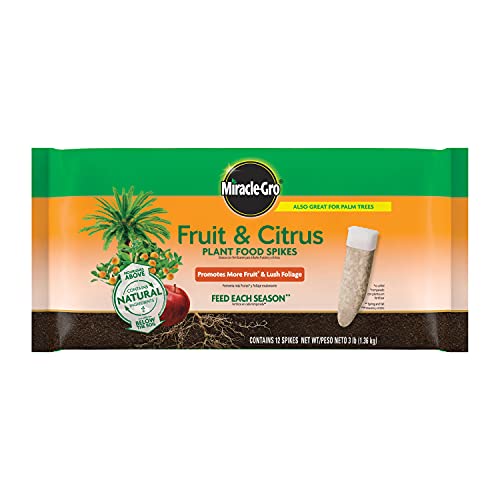
FORMULATED FOR CITRUS AND FRUIT TREES: Use these citrus fertilizer spikes on apple, orange, lemon, lime, and avocado trees; this formula is also great for feeding palm trees
Variety of Peach Trees
Different peach tree varieties produce fruit at varying rates. Some common types include:
- Freestone: These trees produce fruit that separates easily from the pit. They typically begin yielding fruit around three to four years after planting.
- Clingstone: These trees have fruit that clings to the pit. They may also start producing within the same time frame, though some varieties may take an additional year.
- Dwarf Varieties: Smaller trees often reach maturity faster, yielding fruit in two to three years. However, their overall production may be lower.
Selecting the right variety for your climate and local conditions enhances your chances of a fruitful harvest.
Growing Conditions
The environment significantly affects peach tree fruit production. Key conditions include:
- Climate: Peach trees thrive in temperate zones with cold winters and warm summers. Insufficient chilling hours can delay fruiting.
- Soil Quality: Well-draining, sandy loam soils benefit peach trees. Soil pH levels between 6.0 and 7.0 optimize nutrient uptake, affecting growth and fruit quality.
- Watering: Consistent watering during dry periods encourages healthy growth. Too little or too much moisture disrupts fruit development.
- Sunlight: Full sun exposure for at least six to eight hours daily promotes photosynthesis, essential for fruit maturation.
By addressing these factors, you create the ideal environment for your peach trees, ultimately leading to more abundant and earlier fruit production.
Age of Peach Trees and Fruit Production
Peach trees produce fruit over several years, and understanding their age is key to maximizing yields. Let’s explore how young and mature peach trees contribute to your fruit harvest.
Recommended Products

Shipping Restrictions: Due to agricultural laws, we cannot ship to California, Arizona, Alaska, or Hawaii; orders will be cancelled if you ship to one of these states
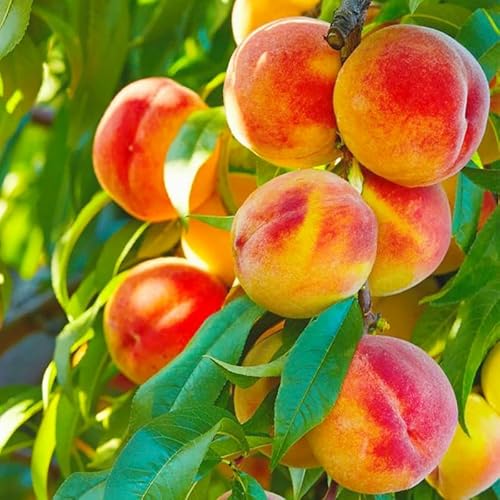
Peach trees produce fruit with multiple applications. The fruit can be enjoyed fresh and is also suitable for making jams, preserves, pies, and fruit salads.

Thrives in well-drained soil, ensuring optimal growth conditions and longevity.
Young Peach Trees
Young peach trees typically begin producing fruit between three and four years after planting. At this stage, they may only yield a small number of peaches. Proper care is crucial to help these trees establish a strong foundation. For example, ensure they receive adequate water and nutrients, as this promotes healthy growth. Thinning excess fruit during the first few growing seasons encourages larger peaches and supports tree health.
Mature Peach Trees
Mature peach trees, generally four to twelve years old, yield significantly more fruit compared to younger trees. During peak production, you can expect 50 to 150 pounds of fruit per tree each year, depending on variety and care. Mature trees require consistent care, including regular pruning, proper watering, and pest management, to sustain their fruiting capacity. After twelve years, fruit production may decline, but with good maintenance, trees can remain productive for years up to twenty. Understanding this timeline allows you to anticipate harvests and plan your gardening endeavors effectively.
Maintenance for Optimal Fruiting
To maximize fruit production from your peach tree, proper care and maintenance are essential. Regular pruning and appropriate fertilization practices significantly impact the health and yield of your tree.
Recommended Products

Made for Peach Trees - This peach tree fertilizer is formulated specifically to support healthy growth and fruiting in peach trees.


Supports Roots, Foliage & Structure – Helps encourage strong roots and steady plant development.
Pruning Techniques
Pruning encourages healthy growth and improves fruit quality. Follow these steps for effective pruning:
- Timing: Prune in late winter or early spring before new growth begins. This timing minimizes stress on the tree.
- Type of Cuts: Focus on removing dead, damaged, or crossing branches. Make clean cuts at an angle to promote healing.
- Shaping: Aim for an open center shape. This structure allows sunlight to reach more branches, enhancing fruit size and ripening.
- Thinning: Remove excess fruit in early summer. Keeping one peach every 6 inches ensures each fruit receives adequate nutrients, leading to larger, healthier peaches.
Fertilization Practices
Fertilizing your peach tree properly boosts fruit production. Implement these practices:
- Soil Testing: Test the soil for nutrient levels before fertilizing. This evaluation helps you understand what amendments are necessary.
- Timing: Fertilize in early spring as the tree begins to leaf out. This timing provides essential nutrients just as the tree prepares for growth.
- Type of Fertilizer: Use a balanced fertilizer with an N-P-K ratio (nitrogen, phosphorus, potassium) of 10-10-10. These nutrients support root development and fruit formation.
- Application Rate: Follow the recommended application rates on the fertilizer package, usually around 1 pound per year of tree age, up to a maximum of 10 pounds.
- Watering: Water thoroughly after fertilizing. This action helps the nutrients penetrate the soil and reach the roots.
By maintaining proper pruning and fertilization practices, you enhance your peach tree’s fruiting potential, extending its productive lifespan.
Conclusion
Your journey with peach trees can be incredibly rewarding. With patience and the right care you’ll soon enjoy the sweet fruits of your labor. Remember that while they might take a few years to bear fruit their peak production will keep you happily harvesting for many seasons.
By focusing on proper maintenance and selecting the right variety you can ensure your peach trees thrive. So keep nurturing those trees and look forward to a bountiful harvest for years to come. Happy gardening!
Frequently Asked Questions
When do peach trees start producing fruit?
Peach trees typically begin to bear fruit between three to four years after planting. The exact timeline can vary based on factors such as the tree variety, climate conditions, and care practices.
How long do peach trees live?
Peach trees generally have a lifespan of 15 to 20 years. With proper care, they can provide multiple fruiting seasons throughout their life.
What factors influence peach tree fruit production?
Fruit production in peach trees is influenced by the variety of the tree, climate, soil quality, sunlight exposure, and proper care practices. Choosing the right variety is essential for successful growth.
How much fruit can mature peach trees produce?
Mature peach trees, typically between four to twelve years old, can yield between 50 to 150 pounds of fruit annually. The exact amount varies depending on the tree variety and care received.
What care tips can help maximize peach tree fruit production?
To maximize production, focus on proper pruning, regular fertilization, and good watering practices. Thinning excess fruit and maintaining optimal growing conditions also enhance the size and quality of the peaches.
What is the importance of thinning fruit on young peach trees?
Thinning excess fruit encourages larger peaches and promotes tree health. It is vital during the early years of growth, helping establish a robust foundation for future production.
