

Have you ever wondered when your nectarine trees will bear fruit? Picture this: you’ve lovingly tended to your nectarine tree, eagerly anticipating the day when you can savor the juicy, sweet nectarines straight from your garden. But when will that moment arrive? Understanding the timing of when nectarine trees typically fruit can help you plan and look forward to your delicious harvest.
Key Takeaways
- Nectarine trees typically start bearing fruit after 2 to 4 years of growth to establish a strong root system.
- Factors influencing nectarine tree fruit production include variety selection, chilling hours, pollination, climate conditions, soil quality, pruning, and pest management.
- Understanding the timeline of nectarine tree fruit production involves planting, growth and development, flowering, fruit formation, and harvesting ripe nectarines.
- Common issues affecting nectarine tree fruit production include poor pollination, disease and pest infestations, watering problems, nutrient deficiencies, and pruning neglect.
- To maximize fruit production from nectarine trees, focus on proper pruning techniques, adequate watering practices, timely fertilization, effective pest and disease management, and enhancing pollination for increased yields.
Overview of Nectarine Trees
You must be eager to learn more about nectarine trees and their fruiting pattern. Here’s a comprehensive overview to help you understand when these trees bear fruit.
Growth and Maturation Period of Nectarine Trees
Nectarine trees typically begin to bear fruit when they reach a certain level of maturity. Young nectarine trees usually take 2 to 4 years to produce their first harvest. This initial wait is essential for the tree to establish its root system and grow strong enough to support fruit production.
Climate and Seasonal Factors
The fruiting time of nectarine trees is influenced by environmental factors, particularly the climate in which they are grown. Nectarines thrive in warm climates with ample sunlight and good air circulation. In general, nectarine trees need a certain number of chilling hours during winter to stimulate flower bud development for the next growing season.
Blooming and Fruit Set
Nectarine trees usually bloom in early spring, producing beautiful pink blossoms that eventually give way to fruit. The timing of blooming and fruit set can vary depending on the specific nectarine tree variety and local growing conditions. Be on the lookout for the appearance of blossoms as a sign that fruit will follow in the coming months.
Harvest Time
The excitement peaks when it’s finally time to harvest ripe nectarines from your tree. Harvest time for nectarines typically falls in summer, with variations based on the specific cultivar and climate. To determine if the nectarines are ready for picking, gently squeeze the fruit to check for ripeness. Ripe nectarines should yield slightly to pressure and have a sweet fragrance.
Conclusion
By understanding the growth cycle and fruiting patterns of nectarine trees, you can anticipate and prepare for a bountiful harvest of these delicious fruits. Stay attentive to your tree’s progress throughout the seasons, and soon you’ll be enjoying the rewards of your nectarine tree’s hard work.
Factors Affecting Nectarine Tree Fruit Production
Understanding the factors that influence nectarine tree fruit production is essential for ensuring a successful harvest. Here are key aspects that impact when your nectarine trees will bear fruit:
1. Variety Selection:
Choosing the right nectarine tree variety plays a significant role in determining when your tree will fruit. Different nectarine varieties have varying maturation times, affecting the fruiting season.
2. Chilling Requirement:
Nectarine trees require a certain amount of chilling hours during the winter to break dormancy and set fruit buds. Insufficient chilling hours can delay or reduce fruit production.
3. Pollination:
Proper pollination is crucial for nectarine tree fruit set. Ensure that pollinators like bees have access to the nectarine blooms to facilitate the pollination process.
4. Climate Conditions:
Factors such as temperature, humidity, and rainfall can impact nectarine tree fruit development. Adequate sunlight and water during the growing season are essential for healthy fruit production.
5. Soil Quality:
The soil composition, pH level, and nutrient content can influence the overall health and productivity of nectarine trees. Regular soil testing and appropriate amendments can optimize fruit yield.
6. Pruning and Thinning:
Pruning nectarine trees to maintain proper airflow and light penetration can enhance fruit quality and production. Thinning excess fruit can prevent overcrowding and promote larger, healthier fruits.
7. Pest and Disease Management:
Effective pest and disease control measures are crucial for protecting nectarine trees from potential threats that can affect fruit production. Implementing integrated pest management strategies is recommended.
By considering these factors and providing proper care to your nectarine trees, you can improve fruit production and look forward to a bountiful harvest of delicious nectarines. Observing your tree’s growth cycle and addressing any issues promptly will help you enjoy the fruits of your labor when the time comes.
Timeline of Nectarine Tree Fruit Production
Understanding the timeline of nectarine tree fruit production is essential for planning and enjoying a bountiful harvest. Here’s what you can expect throughout the different stages of the process:
Nectarine Tree Planting (Year 0)
When you plant a nectarine tree, you’re setting the stage for future fruit production. In the first year, your focus is on ensuring the tree establishes a strong root system and healthy growth. Proper planting techniques, adequate watering, and suitable soil conditions are crucial during this initial stage.
Tree Growth and Development (Year 1-2)
During the second year, your nectarine tree will continue to grow and develop. It’s essential to monitor its progress, provide necessary nutrients, and ensure optimal growing conditions. Pruning the tree appropriately can help shape its structure and promote fruit-bearing wood.
Flowering Stage (Year 2-3)
In the second to third year, you’ll witness the beautiful sight of your nectarine tree blooming with delicate flowers. This stage marks the beginning of fruit production as the tree prepares for pollination. Proper care, including adequate sunlight and water, is crucial to support healthy flower development.
Fruit Formation (Year 3+)
As the flowers are pollinated, they gradually transform into young nectarines. Proper pollination, whether through bees or other pollinators, is vital for fruit set. Throughout the growing season, continue to provide appropriate care, including regular watering, fertilization, and pest management, to ensure the nectarines develop and ripen successfully.
Harvesting Ripe Nectarines
Finally, after patiently waiting for the nectarines to reach optimal ripeness, it’s time to harvest your delicious fruit. The exact timing of the harvest will depend on the nectarine variety you’re growing and local climate conditions. Harvest the nectarines when they exhibit the characteristic vibrant color, slightly soft texture, and sweet aroma for the best flavor.
Common Issues Affecting Nectarine Tree Fruit Production
To ensure a successful nectarine tree fruit production, you must be aware of common issues that can affect the process. By addressing these challenges promptly, you can maximize your yield of delicious nectarines. Here are some key factors to consider:
- Poor Pollination
Inadequate pollination can hinder fruit development in nectarine trees. Bees are vital for pollination, so ensure a conducive environment to attract these pollinators to your orchard. Planting bee-friendly flowers nearby can help increase bee activity and improve pollination rates. - Disease and Pest Infestation
Diseases such as peach leaf curl and pests like aphids and mites can damage nectarine trees and their fruit. Regularly inspect your trees for any signs of disease or pest infestation. Implement appropriate pest control measures and consider using natural remedies to protect your trees. - Watering Issues
Inconsistent watering practices can affect fruit production in nectarine trees. Ensure your trees receive sufficient water, especially during dry periods, to promote healthy growth and fruit development. Overwatering can lead to root rot, so maintain a proper watering schedule based on the tree’s needs. - Nutrient Deficiencies
Lack of essential nutrients, such as nitrogen, phosphorus, and potassium, can impact the overall health of nectarine trees and limit fruit production. Conduct soil tests regularly to determine nutrient levels and adjust fertilization accordingly to provide the necessary nutrients for optimal growth. - Pruning Neglect
Improper pruning or neglecting to prune nectarine trees can result in overcrowded branches, reduced sunlight exposure, and poor air circulation, leading to lower fruit yield. Prune your trees annually during the dormant season to remove dead or damaged branches, shape the tree, and promote fruit-bearing wood.
By addressing these common issues affecting nectarine tree fruit production, you can enhance the health and productivity of your trees. Stay vigilant, provide proper care, and address any challenges promptly to enjoy a bountiful harvest of fresh nectarines.
Maximizing Fruit Production from Nectarine Trees
To ensure optimal fruit production from your nectarine trees, there are some key practices you can follow. By implementing the following strategies, you can enhance the yield and quality of your nectarines.
Recommended Products

Made for Peach Trees - This peach tree fertilizer is formulated specifically to support healthy growth and fruiting in peach trees.
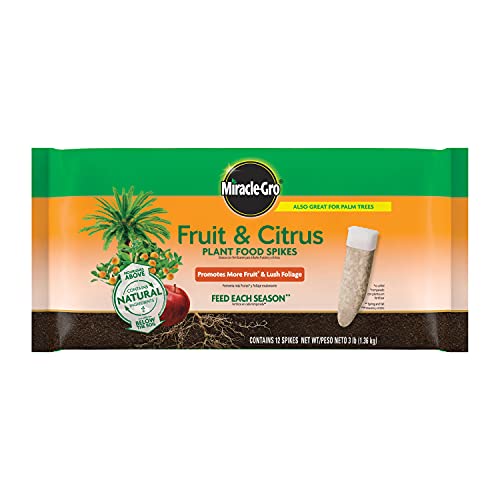
FORMULATED FOR CITRUS AND FRUIT TREES: Use these citrus fertilizer spikes on apple, orange, lemon, lime, and avocado trees; this formula is also great for feeding palm trees

Proper Pruning Techniques
Pruning is essential for maintaining the health and productivity of nectarine trees. Regular pruning helps to remove dead wood, improve sunlight exposure to fruits, and enhance air circulation within the canopy. You should prune your nectarine trees annually during the dormant season to promote new growth and fruiting.
Adequate Watering Practices
Water is crucial for nectarine tree growth and fruit development. Ensure that your nectarine trees receive sufficient water, especially during periods of drought or hot weather. Consistent watering, avoiding overwatering or underwatering, is key to supporting healthy fruit production.
Fertilization Schedule
Fertilizing your nectarine trees at the right time and with the correct nutrients is vital for fruit production. Apply a balanced fertilizer in early spring before the trees start flowering to provide them with essential nutrients for healthy growth and fruit set.
Pest and Disease Management
Protecting your nectarine trees from pests and diseases is essential for maximizing fruit production. Monitor your trees regularly for signs of pests or diseases, such as aphids or brown rot, and take prompt action to address any issues. Consider using organic or targeted insecticides and fungicides to manage pest and disease pressures effectively.
Pollination Enhancement
Proper pollination is critical for fruit set in nectarine trees. To enhance pollination and subsequent fruit production, consider planting bee-attractant flowers nearby or introducing bee colonies to your orchard. Maximizing pollination can significantly increase the fruit yield of your nectarine trees.
By incorporating these practices into your nectarine tree care routine, you can maximize fruit production, improve fruit quality, and ensure the long-term health of your trees. Following these guidelines will help you enjoy a bountiful harvest of delicious nectarines season after season.
Conclusion
You now have a solid understanding of how to optimize fruit production from your nectarine trees. By following the guidelines outlined in this article, including proper pruning, watering, fertilization, pest control, and pollination techniques, you can increase yield and fruit quality. Remember, addressing issues like poor pollination, diseases, pests, watering practices, nutrient deficiencies, and pruning neglect is crucial for a bountiful harvest of delicious nectarines. Implement these strategies to care for your nectarine trees effectively and enjoy a successful and fruitful growing season.
Frequently Asked Questions
How often should I prune my nectarine trees?
Prune your nectarine trees annually during the dormant season, typically in late winter or early spring, to remove dead or diseased branches and maintain proper tree structure.
How much should I water my nectarine trees?
Provide nectarine trees with 1 to 2 inches of water per week, either through rainfall or irrigation, especially during dry periods and the fruit development stage.
When should I fertilize my nectarine trees?
Fertilize nectarine trees in early spring before new growth starts using a balanced fertilizer to promote healthy tree growth and fruit production.
How can I manage pests and diseases in my nectarine trees?
Monitor your nectarine trees regularly for signs of pests and diseases, and address any issues promptly with organic or chemical treatments as needed.
How can I enhance pollination for better fruit production?
Encourage pollination by planting pollinator-attracting flowers nearby, placing beehives in the orchard, or hand-pollinating flowers during bloom.
What are common issues that can affect nectarine tree health?
Common issues include poor pollination, diseases like brown rot or peach leaf curl, pests such as aphids or mites, inadequate watering, nutrient deficiencies, and improper pruning practices.
Why is proper tree care important for nectarine production?
Proper tree care practices like pruning, watering, fertilizing, pest, and disease management are essential to ensure optimal fruit production, quality, and overall tree health for a successful nectarine harvest.
