

Have you ever wondered how long it takes for paw paw trees to start producing fruit? If you’re thinking about planting these unique trees, you’re not alone. Many gardeners are excited to grow paw paws but often find themselves asking the same question: when can I expect to see those delicious fruits?
Key Takeaways
- Time to Fruit Bearing: Paw paw trees typically bear fruit in 3 to 4 years if grown from grafted nursery plants, while those grown from seeds take 5 to 7 years.
- Optimal Growing Conditions: For healthy growth, ensure well-draining, nutrient-rich soil, consistent moisture, and partial shade, particularly in hotter climates.
- Pollination Considerations: Insects, particularly bees and butterflies, are crucial for pollination; attracting these pollinators can enhance fruit production.
- Tree Care Practices: Regular care, including fertilization, pruning, and pest management, significantly contributes to faster fruiting and overall tree health.
- Variety Selection: Choose grafted varieties for earlier fruiting (3 to 4 years) or native varieties, which may take 4 to 5 years but adapt well to local conditions.
- Soil and Nutritional Needs: Enrich soil with organic matter and maintain a pH of 5.5 to 7.0 for optimal paw paw tree growth.
Understanding Paw Paw Trees
Paw paw trees, known scientifically as Asimina triloba, are native to the eastern United States. These small trees thrive in well-drained, rich soil and prefer partial shade to full sun. Their unique custard-like fruit has gained popularity among gardeners and foragers alike.
Recommended Products

Targeted Itch & Lick Relief – Made with tea tree oil, aloe vera, and seaweed extract to naturally soothe itchy, irritated paws and help curb excessive paw licking caused by allergies or dryness.


Large 8" x 9" Wipes for Complete Cleanup: Extra-large 8 × 9 inch dog wipes provide full coverage for muddy paws, dirty coats, and messy rears. Thick, durable fibers handle tough messes, while the rinse-free formula keeps floors and furniture clean.
Growth Cycle
Paw paw trees typically take 3 to 4 years after planting to begin bearing fruit when grown from grafted nursery plants. If grown from seeds, fruit production may take 5 to 7 years. The variations depend on the tree’s environment and care.
Ideal Conditions
Paw paw trees require specific conditions for optimal growth. Consider the following:
- Soil: Ensure well-draining soil enriched with organic matter.
- Water: Provide consistent moisture, especially during the growing season.
- Sunlight: Aim for partial shade, particularly in hotter climates.
Pollination Needs
Paw paw trees often rely on insects for pollination. Attract bees and butterflies to your garden to improve fruit set. Plant companion flowers nearby, like wildflowers, to increase pollinator presence.
Care Tips
Proper care promotes early fruiting. Follow these tips:
- Fertilization: Apply a balanced fertilizer in early spring.
- Pruning: Trim dead or overcrowded branches to improve air circulation.
- Pest Control: Monitor for common pests like aphids and manage them promptly.
Understanding these aspects of paw paw tree cultivation helps you enjoy the delicious fruits they produce. While patience is required, the payoff is rewarding, resulting in unique flavors for your culinary adventures.
Growth Stages of Paw Paw Trees
Paw paw trees undergo distinct growth stages before they produce fruit. Understanding these stages helps you manage care and expectations effectively.
Seed Germination
Seed germination for paw paw trees typically occurs in spring. Soaking seeds for 24 hours before planting can improve germination rates. It takes about 2 to 3 weeks for seeds to sprout in warm, moist conditions. Keep the soil consistently moist but not waterlogged. Providing gentle warmth and protection from harsh sunlight during this stage enhances seedling development.
Young Tree Development
During young tree development, you focus on supporting healthy growth over the first 2 to 3 years. Young paw paw trees grow rapidly, often reaching 4 to 6 feet in height within the first growing season. Ensure they’re planted in nutrient-rich, well-draining soil. Regular watering is crucial, especially in dry spells. Pruning helps shape the tree early on, promoting a strong structure. By the third year, trees may start developing flowers, signaling the approach of fruit-bearing maturity.
Timeframe for Fruit Production
Paw paw trees take several years to bear fruit, with specific timeframes depending on various factors. Understanding these factors helps you plan for the wait while ensuring a fruitful harvest.
Recommended Products

Shipping Restrictions: We cannot ship to CA, AZ, AK, or HI - orders will be cancelled if you ship to one of these states

Soil and Growing Conditions: Prefers rich, well-drained soil, benefits from some afternoon shade when young, and is resistant to most pests and diseases once established

1.Grow Native Pawpaw Trees Plant Asimina triloba, commonly known as Pawpaw, a deciduous fruit tree valued for its tropical-looking foliage and unique fruit. Suitable for backyard orchards and edible landscapes.
Factors Influencing Time to Bear Fruit
- Propagation Method: Trees grown from grafted nursery plants typically bear fruit in 3 to 4 years. In contrast, trees grown from seeds may take longer, usually between 5 to 7 years.
- Growing Conditions: Soil quality, moisture levels, and sunlight exposure significantly impact fruiting. Paw paws thrive in well-draining, nutrient-rich soils with partial shade, particularly in warmer climates.
- Pollination: Paw paws require insect pollination, primarily by bees and butterflies. Attracting these pollinators enhances fruit set, leading to earlier fruit production.
- Tree Health and Care: Regular care, including watering, fertilization, and pest management, supports faster growth and fruiting. Trees that receive proper attention often take less time to produce fruit.
| Paw Paw Variety | Time to Bear Fruit |
|---|---|
| Grafted Varieties | 3 to 4 years |
| Seedlings | 5 to 7 years |
| Native Varieties | 4 to 5 years |
Grafted varieties tend to fruit earlier, making them a popular choice for gardeners eager to enjoy delicious paw paws. Native varieties generally take slightly longer but can adapt well to local conditions. Understanding the differences helps you choose the best variety for your garden ambitions.
Best Practices for Cultivating Paw Paw Trees
Cultivating paw paw trees requires attention to specific practices that promote healthy growth and fruitful yields. Here’s how to ensure your trees thrive.
Recommended Products

Kindly NOTE: This soil tester can not be applied to test pH value of any other liquid. If the soil is too dry the indicator will not move, and water it before testing.
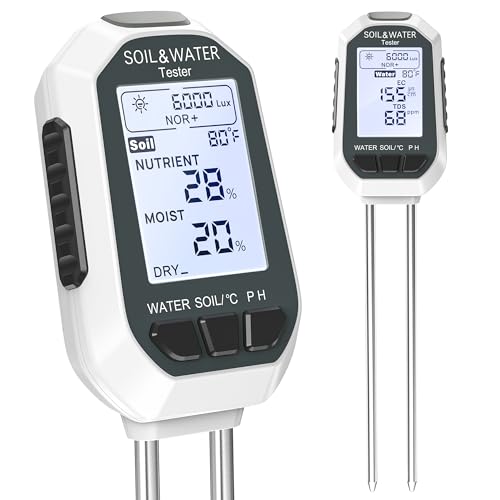
【7-in-1 Features】This is a 7-in-1 multi-function soil tester. Our soil tester quickly measures soil moisture, pH, temperature and light intensity, and its fertility function helps you take better care of your plants. With this device you can measure the soil moisture, pH, temperature and light intensity for your plants and with the EC and TDS functions you will know when it is time to water the soil.

✅ 1Dial & 1 LCD Screen - Replace/install all 3 batteries each time. Put button to %RH/°F to - Turn On, and put to LIGHT to - Turn Off. Read the LCD results in 3-5 mins. (Not Water Moisture Meter, so, please don't test liquid)
Soil and Nutritional Requirements
Paw paw trees flourish in well-draining soil rich in organic matter. You can enhance your soil by mixing in compost or well-rotted manure before planting. Aim for a soil pH between 5.5 and 7.0.
- Test Your Soil: Use a soil testing kit to check pH and nutrient levels.
- Amend If Necessary: Adjust acidity or add nutrients based on the test results.
- Mulch: Applying a layer of organic mulch around the base helps retain moisture and regulates soil temperature.
Consistent moisture is vital, especially during dry spells. Water your trees deeply but infrequently, allowing the topsoil to dry out between waterings.
Pruning and Maintenance Tips
Proper pruning and maintenance encourage healthy growth and fruit production.
- Prune Young Trees: Remove any dead, damaged, or crossing branches in the first few years. This encourages a strong structure.
- Thin Out Shoots: If you see multiple shoots from a single point, trim them to promote better airflow and sunlight penetration.
- Monitor for Pests and Diseases: Regularly check for signs of insects or disease. Use organic pest control methods if necessary.
Feeding your trees also plays a crucial role. Fertilize with a balanced fertilizer, such as a 10-10-10 formula, in early spring before new growth begins.
Implement these best practices to cultivate healthy paw paw trees and maximize your chances of enjoying delicious fruit in a few years.
Conclusion
Growing paw paw trees can be an exciting journey filled with anticipation. While it may take a few years for your trees to bear fruit it’s definitely worth the wait. With proper care and attention to their needs you’ll be rewarded with delicious paw paws that are unique and flavorful.
Remember to focus on providing the right soil conditions and maintaining consistent moisture. Attracting pollinators will also play a key role in your trees’ success. So as you nurture your paw paw trees be patient and enjoy the process. Your future harvest will be a delightful treat that you can savor for years to come.
Frequently Asked Questions
How long does it take for paw paw trees to bear fruit?
Paw paw trees typically produce fruit in 3 to 4 years when grown from grafted nursery plants. If grown from seeds, it may take 5 to 7 years. The specific time can vary based on environmental conditions and care.
What conditions do paw paw trees need to thrive?
Paw paw trees thrive in well-drained, rich soil with consistent moisture and partial shade to full sun. They require good soil quality and are sensitive to moisture levels and sunlight exposure.
How can I promote fruit production in my paw paw trees?
To enhance fruit production, attract pollinators like bees and butterflies. Ensure proper care by providing nutrient-rich soil, adequate moisture, and regular maintenance, including fertilization and pruning.
What is the best way to plant paw paw seeds?
Soak paw paw seeds for 24 hours before planting to improve germination rates. Plant them in spring and provide warm, moist conditions, with seeds typically sprouting in about 2 to 3 weeks.
What nutrients do paw paw trees need?
Paw paw trees benefit from enriched soil with organic matter, such as compost or well-rotted manure. A balanced fertilizer should be applied in early spring to support healthy growth and fruit production.
How should I care for young paw paw trees?
During the first 2 to 3 years, ensure regular watering, provide nutrient-rich soil, and perform early pruning to encourage proper growth. Watch for pests and maintain healthy conditions for the trees.
Why are paw paw trees important for biodiversity?
Paw paw trees contribute to biodiversity by providing habitat and food for various pollinators and wildlife. They are native to the eastern United States and play a role in local ecosystems.
