

Have you ever wondered how long it takes for a persimmon tree to start producing fruit? If you’re considering planting one, you’re not alone in wanting to know when you can expect those sweet, golden delights. Growing your own fruit can be exciting, but patience is key when it comes to persimmons.
Key Takeaways
- Fruit-Bearing Timeline: American persimmon trees typically bear fruit in 3 to 7 years, while Asian persimmons usually produce fruit in 3 to 5 years after planting.
- Ideal Conditions: Persimmons thrive in full sunlight (6-8 hours daily) and well-drained loamy soil with a pH between 6.0 and 7.5, highlighting the importance of proper planting conditions.
- Watering & Fertilization: Consistent watering is essential for young trees, and applying a balanced fertilizer can significantly enhance growth and encourage fruit production.
- Grafted vs. Seed Trees: Choosing grafted persimmon trees over seeds can lead to earlier fruit production due to better genetic qualities.
- Environmental Factors: Health and maturation of the tree, along with environmental conditions such as temperature and moisture levels, impact the timeline and quality of fruit production.
- Ongoing Care: Regular maintenance, including pest management and soil monitoring, is vital for ensuring optimal growth and fruit yield in persimmon trees.
Understanding Persimmon Trees
Persimmon trees are unique fruit-bearing trees that can add beauty and value to your garden. Knowing their characteristics and requirements can help you grow a thriving tree that produces delicious fruit.
Types of Persimmon Trees
You’ll encounter mainly two types of persimmon trees: American persimmon (Diospyros virginiana) and Asian persimmon (Diospyros kaki).
- American Persimmon: This variety thrives in USDA zones 4-9. It typically matures within 3 to 7 years. The fruit varies in flavor from sweet to astringent, depending on ripeness.
- Asian Persimmon: This variety is popular for its sweeter flavor and larger fruit. It generally matures in 3 to 5 years. It prefers USDA zones 7-10 and has a longer growing season.
Ideal Growing Conditions
To promote healthy growth and fruiting, specific conditions are crucial:
- Sunlight: Choose a location that receives full sunlight for at least 6 hours daily.
- Soil: Use well-drained soil with a pH between 6.0 and 7.5. Loamy soil enhances growth and fruit quality.
- Watering: Regular watering is necessary during the first few years. Ensure consistent moisture but avoid waterlogging.
- Fertilization: Apply a balanced fertilizer early in the growing season. A slow-release option may promote strong growth.
By understanding these factors, you can create an environment conducive to fruit production, making your patience worthwhile.
Factors Affecting Fruit Bearing
Fruit bearing in a persimmon tree depends on several critical factors. Understanding these can help you nurture your tree effectively and encourage faster fruit production.
Recommended Products
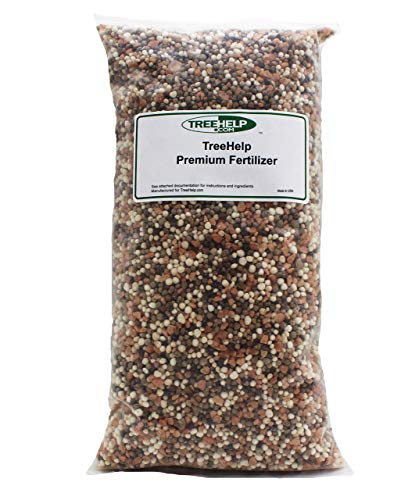
Not Available for Sell in WA, USA

This fertilizer is blended especially for acid lovers such as rhododendrons, azaleas, camellias, hydrangeas, evergreens, blueberries, raspberries, strawberries, potatoes and other plants that need a low pH
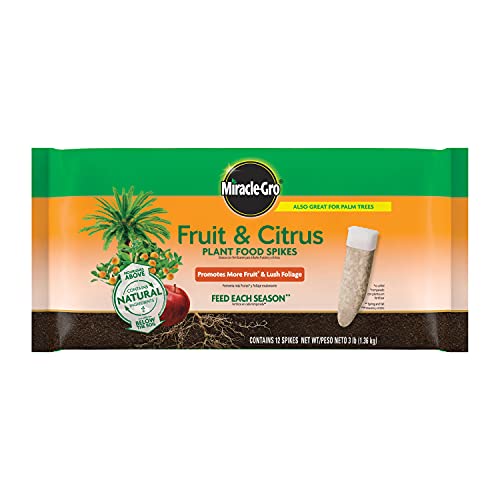
FORMULATED FOR CITRUS AND FRUIT TREES: Use these citrus fertilizer spikes on apple, orange, lemon, lime, and avocado trees; this formula is also great for feeding palm trees
Age of the Tree
Age plays a key role in when a persimmon tree starts to bear fruit. Typically, American persimmons begin producing fruit at 3 to 7 years of age. Similarly, Asian persimmons mature a bit earlier, generally in 3 to 5 years. The specific variety and care you provide can influence the exact timing. Young trees exhibit slower growth, while mature trees yield better fruit quality and quantity. Regular monitoring of your tree’s health can also help you gauge its readiness for fruit-bearing.
Environmental Conditions
Environmental conditions greatly influence fruit production in persimmon trees. Key factors include:
- Sunlight: Full sunlight exposure for at least 6 to 8 hours daily promotes robust growth and fruit setting.
- Soil: Well-drained, loamy soil enriches root health. Test soil pH for optimal growth; persimmons prefer a range of 6.0 to 7.0.
- Watering: Consistent watering keeps the soil moist but not soggy. Deep watering encourages strong roots, enhancing fruit production.
- Temperature: Persimmons thrive in regions with distinct seasons. Ensure trees are not exposed to extreme cold during their early years, as this can delay fruiting.
By focusing on these elements, you can create an ideal environment for your persimmon tree, leading to a fruitful harvest.
Timeline for Fruit Production
Understanding when your persimmon tree will bear fruit helps you plan and maintain your garden effectively. Typically, you can expect fruit production within a few years of planting, but this time frame varies based on several factors.
Recommended Products

Hardiness Zones 7 Through 10.
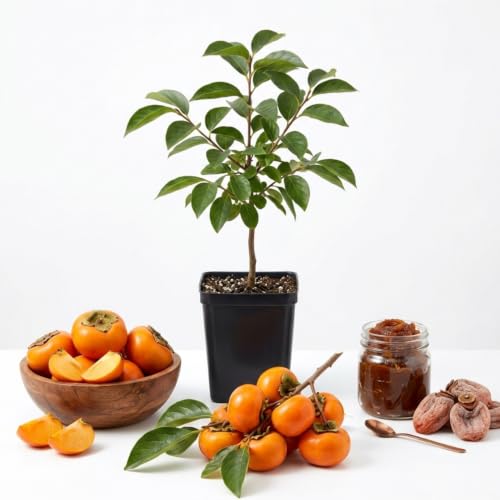
Sweet American Persimmon Trees Live Plants, Dormant Seedlings,6-12 Inches Well Rooted, Winter Hardy Persimmon Tree Fruit
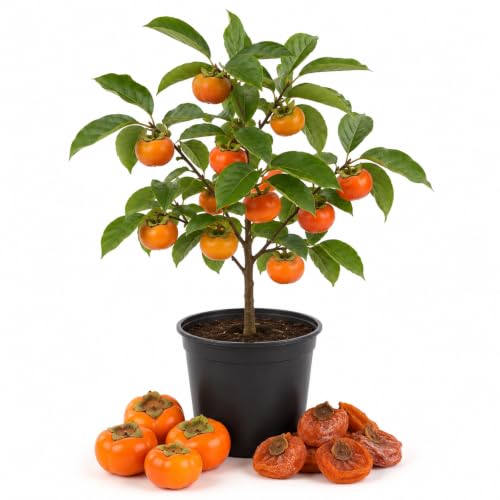
Ready to grow outdoor
General Expectations
American persimmons usually bear fruit between 3 to 7 years after planting. In contrast, Asian persimmons often start producing fruit in just 3 to 5 years. Consider the variety you’re planting, as this significantly impacts your timeline. Your tree’s age, health, and growing conditions play crucial roles in fruit production.
Early Fruit Production
To promote early fruit production, choose healthy, grafted trees instead of seeds. Grafted trees often fruit sooner due to their improved genetic qualities. Ensure you provide consistent watering and adequate sunlight. Trees thrive in full sun and well-drained soil, enhancing their growth rates. Fertilization with a balanced fertilizer can boost nutrient levels, further encouraging early fruit set.
Keep in mind that young trees may produce fruit, but the quantity and quality often improve as the tree matures. Patience is vital; nurturing your tree creates a fertile environment for robust fruit yields in the years ahead.
Care Tips for Optimal Growth
To ensure your persimmon tree thrives and produces fruit efficiently, follow these essential care tips.
Recommended Products
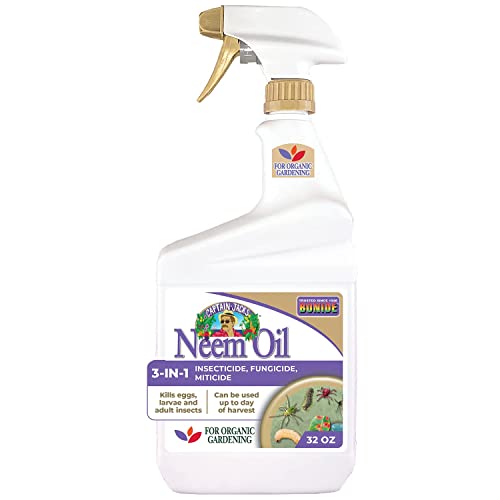
Protect your oasis with 3 garden products in 1 from Captain Jack’s; Bonide Captain Jack’s Ready-to-Use Neem Oil spray for plants is a multi-purpose fungicide, insecticide and miticide for your lawn & garden

FUNGAL DISEASE CONTROL: Prevents and controls black spot on roses, powdery mildew, rust, downy mildew, and other listed fungal diseases when applied on a 7–14 day schedule

PLANT DISEASE CONTROL: Natria Neem Oil acts as an insecticide and fungicide in one convenient spray; Ready-to-use trigger sprayer requires no mixing
Soil and Water Requirements
Select well-drained soil for optimal growth. Sandy loam enriched with organic matter promotes healthy roots. Ensure pH levels stay between 6.0 and 7.0 for best results. Water consistently, especially during dry spells, but avoid overwatering. Deep watering is beneficial, encouraging roots to grow downwards. Aim for 1 inch of water per week. Mulching around the base can help retain moisture and regulate soil temperature.
Pest and Disease Management
Keep an eye out for common pests like aphids and spider mites. Use insecticidal soap or neem oil to manage infestations. Regularly inspect leaves for signs of disease, such as leaf spot or fruit rot. Maintaining proper spacing promotes airflow, reducing disease risk. Rotate your planting area if necessary, and ensure tree sanitation by removing fallen fruit and debris. Healthy practices allow your persimmon tree to flourish and yield better fruit.
Conclusion
Growing a persimmon tree can be a rewarding journey filled with anticipation. While you may have to wait a few years for your tree to bear fruit it’s all about nurturing and patience. With the right care and conditions you’ll set yourself up for a fruitful harvest that makes the wait worthwhile.
Remember to choose healthy grafted trees and provide them with plenty of sunlight and water. As your tree matures you’ll likely find that the quality and quantity of fruit improve significantly. So take your time enjoy the process and soon enough you’ll be enjoying delicious persimmons right from your own garden. Happy gardening!
Frequently Asked Questions
When do persimmon trees start producing fruit?
Persimmon trees typically start producing fruit between 3 to 7 years after planting. American persimmons may take longer, about 3 to 7 years, while Asian persimmons often bear fruit in just 3 to 5 years.
What are the two main types of persimmon trees?
The two main types of persimmon trees are American persimmons, which can have varying flavors and mature in 3 to 7 years, and Asian persimmons, known for their sweeter taste and larger fruit, maturing in 3 to 5 years.
What conditions do persimmon trees need to thrive?
Persimmon trees thrive in full sunlight and well-drained soil. Ideally, they prefer sandy loam enriched with organic matter, and they need regular watering and appropriate fertilization to support healthy growth and fruit production.
How does the age of the tree affect fruit production?
Younger persimmon trees usually grow slower and produce less fruit. As the tree matures, typically between 3 to 7 years, it yields higher quality and quantity of fruit. Patience is essential for better harvests in later years.
What care tips can help my persimmon tree grow?
For optimal growth, choose well-drained soil with a pH of 6.0 to 7.0, water consistently (about 1 inch weekly), and maintain tree spacing for airflow. Regularly inspect for pests and diseases, using insecticidal soap or neem oil as needed.
