

Have you ever wondered how often plum trees reward you with their juicy fruit? If you’re thinking about planting one or just curious about these delightful trees, you’re not alone. Many people want to know how many times a year they can expect to enjoy fresh plums right from their backyard.
Understanding the fruiting cycle of plum trees can help you plan your gardening efforts and maximize your harvest. This article will break down the key factors that influence fruit production, so you can get the most out of your plum tree. Whether you’re a seasoned gardener or a newbie, you’ll find valuable insights to help you enjoy a bountiful plum harvest.
Key Takeaways
- Plum trees typically produce fruit once a year, with harvests occurring from late June to early September, depending on the variety.
- The type of plum tree (European vs. Japanese) affects fruiting patterns, yield, and suitability to climate conditions.
- Essential factors influencing fruit production include climate requirements (chilling hours, sunlight), soil quality (well-drained, loamy), and pollination needs.
- Regular tree maintenance, including annual pruning and proper fertilization, significantly boosts fruit production.
- Common challenges, such as pests (e.g., aphids, plum curculio) and diseases (e.g., brown rot), can hinder growth, necessitating vigilance and active management.
- Understanding and optimizing environmental conditions help create a thriving environment for plum trees, enhancing both growth and yield.
Overview of Plum Trees
Plum trees are deciduous fruit trees known for their sweet, juicy fruits. Their fruiting cycle depends on the variety and environmental conditions.
Types of Plum Trees
You can find various types of plum trees, which mostly fall into two categories: European and Japanese.
- European Plums: Varieties like ‘Stanley’ and ‘Damson’ thrive in cooler climates and produce small to medium fruits. These plums excel in cooking and preserving.
- Japanese Plums: Varieties like ‘Methley’ and ‘Shiro’ flourish in warmer regions, offering larger, sweeter fruits. They’re perfect for fresh eating and drying.
Each type has specific characteristics that influence their yield and taste. Choosing the right variety for your local climate enhances your chances of a fruitful harvest.
Climate Requirements
Plum trees flourish in temperate climates with distinct seasonal changes.
- Temperature: They prefer chilling hours, usually between 300 to 1,000 hours below 45°F (7°C) during winter. This chill period ensures proper fruiting.
- Sunlight: Full sun exposure, at least 6 to 8 hours daily, promotes healthy growth and fruit production.
- Soil: Well-drained, loamy soil, rich in organic matter, supports optimal growth. Soil pH should remain between 6.0 and 7.0 for best results.
Understanding these requirements sets the foundation for healthy plum tree cultivation and maximizes your fruit yield.
Plum Trees Fruit Production
Plum trees typically produce fruit once a year during the growing season. The timing and quantity can vary based on several factors.
Recommended Products

Suitable for various USDA Hardiness Zones (3-8), making it adaptable to different climates and regions. Attracts wildlife like birds and deer, contributing to biodiversity...
How Many Times a Year Do Plum Trees Produce Fruit?
Plum trees generally produce fruit in the summer, usually from late June to early September, depending on the variety. European plums may yield fruit earlier in the season than Japanese plums. While most trees set fruit annually, some may produce biennially due to stress factors like weather or disease. Optimal conditions promote consistent yields.
Factors Affecting Fruit Production
Several factors influence how well plum trees produce fruit:
- Variety: Different varieties of plum trees exhibit distinct fruiting behaviors. European plums often yield heavier crops in cooler climates, while Japanese plums excel in warmer areas.
- Climate: Plum trees thrive in temperate climates. A chilling period of 300 to 1,000 hours below 45°F (7°C) during winter is essential for proper blooming.
- Sun Exposure: Adequate sunlight, at least 6 to 8 hours daily, is crucial for optimal growth and fruit production.
- Soil Quality: Well-drained, loamy soil with a pH between 6.0 and 7.0 supports healthy roots and enhances fruit output.
- Pollination: Some plum varieties require cross-pollination to produce fruit. Ensure compatible varieties are planted nearby for better yield.
- Tree Maintenance: Regular pruning and proper watering contribute significantly to fruit production. Prune during dormancy to promote healthy growth and remove any dead or diseased branches.
By understanding these factors, you can take practical steps to maximize your plum tree’s fruit production.
Best Practices for Plum Tree Cultivation
To maximize your plum tree’s fruit production, follow these best cultivation practices. Focusing on proper care ensures a fruitful harvest.
Pruning Techniques
Prune plum trees annually during late winter or early spring, before new growth begins. Focus on removing dead or damaged branches first. Thin out crowded areas to enhance air circulation and light penetration. Aim for an open center shape, allowing sunlight to reach all parts of the tree. When pruning, keep cuts clean and angled to prevent water accumulation. Use sharp, clean tools to ensure effective cuts. Regular pruning encourages healthier growth and higher fruit yields.
Fertilization and Watering
Fertilize plum trees in early spring, just before new growth starts. Use a balanced fertilizer with equal parts nitrogen, phosphorus, and potassium. Apply about 1 to 2 pounds per inch of trunk diameter. Water plum trees deeply, providing around 1 inch of water per week during the growing season. Avoid shallow watering, as it can promote weak root systems. Monitor soil moisture, adjusting for rainfall. During dry spells, consider using mulch to retain soil moisture and suppress weeds. Proper fertilization and watering support vigorous growth and abundant fruit production.
Common Challenges in Plum Tree Growth
Plum trees face several challenges that affect their growth and fruit production. Understanding these challenges helps you mitigate issues and ensure a healthy harvest.
Recommended Products
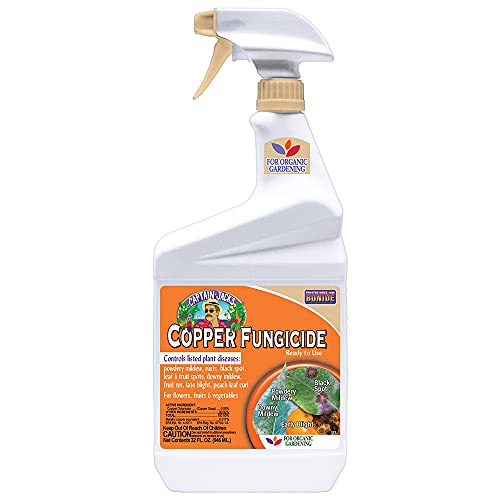
Control fungus and disease in your garden with Captain Jack’s ready-to-use Liquid Copper Fungicide!

Control diseases and insects in your garden with Captain Jack’s Fruit Tree Spray Concentrate! Use on a variety of listed fruits, nuts and citrus plants.

TRIPLE PROTECTION FORMULA: 3-in-1 solution kills listed insects, controls listed diseases, and controls listed mites with one easy application
Pests and Diseases
Plum trees commonly encounter pests and diseases that threaten their health. Effective management of these threats ensures successful fruiting.
- Aphids: These small insects suck sap from leaves, causing wilting. Spray the leaves with a mixture of water and dish soap to control their population.
- Brown Rot: This fungal disease leads to fruit decay and affects the tree in humid conditions. Regularly remove infected fruits and apply fungicides as needed.
- Plum Curculio: This weevil lays eggs inside fruits, leading to premature drop. Use physical barriers like protective netting during the growing season to minimize damage.
Monitoring your plum trees regularly for signs of pests and diseases allows for early intervention, improving overall health and yield.
Environmental Factors
Environmental considerations significantly influence plum tree growth and productivity. Key factors include:
- Temperature: Plum trees require a chilling period of 300 to 1,000 hours below 45°F (7°C) during winter. Inadequate chilling affects bloom and fruiting times.
- Sun Exposure: These trees thrive in full sun, necessitating at least 6 to 8 hours of sunlight daily. Select planting sites with optimal sunlight to encourage growth.
- Soil Conditions: Well-drained loamy soil with a pH of 6.0 to 7.0 is ideal. Regularly test soil pH and amend as necessary to enhance nutrient availability.
By addressing these environmental factors, you create a conducive environment for your plum trees, ensuring robust growth and consistent fruit production.
Conclusion
Growing plum trees can be a rewarding experience when you understand their fruiting cycle. By knowing how often they produce fruit and the factors that influence their yield, you can take the right steps to ensure a bountiful harvest.
With the right variety suited to your climate and proper care, you can enjoy fresh plums year after year. Remember to keep an eye on tree health and environmental conditions to maximize your plum production. Happy gardening and may your plum trees thrive!
Frequently Asked Questions
How often do plum trees produce fruit?
Plum trees typically produce fruit once a year during the growing season, which usually lasts from late June to early September. Some varieties may bear fruit biennially due to stress factors like adverse weather or diseases.
What are the main types of plum trees?
Plum trees fall into two primary categories: European and Japanese. European plums, such as ‘Stanley’ and ‘Damson,’ thrive in cooler climates and are great for cooking. Japanese plums, like ‘Methley’ and ‘Shiro,’ do best in warmer regions and are ideal for fresh eating.
What climate conditions do plum trees need?
Plum trees prefer temperate climates with distinct seasonal changes. They require a chilling period of 300 to 1,000 hours below 45°F (7°C) in winter, full sun exposure for 6 to 8 hours a day, and well-drained loamy soil with a pH between 6.0 and 7.0.
What factors influence plum tree fruit production?
Several factors affect fruit production in plum trees, including the tree variety, climate conditions, sun exposure, soil quality, pollination needs, and tree maintenance practices like regular pruning and proper watering.
How can I maximize my plum tree’s fruit yield?
To maximize fruit yield, practice annual pruning in late winter or early spring, use balanced fertilizers in early spring, and ensure deep watering of about 1 inch per week during the growing season to provide optimal growth conditions.
What are common challenges in growing plum trees?
Common challenges include pests such as aphids, diseases like brown rot, and environmental stresses. Regular monitoring for these issues allows for early intervention, which is key to maintaining the health and productivity of your plum trees.
