

Have you ever wondered if spring is the right time to plant fruit trees? You’re not alone. Many gardeners face this dilemma as the weather warms up and the days get longer.
Key Takeaways
- Spring is Ideal for Planting: Early spring is the best time to plant most fruit trees as they awaken from dormancy and can establish roots effectively.
- Types of Fruit Trees: Understand the different types of fruit trees—deciduous, evergreen, stone fruits, and berries—as each has specific planting requirements.
- Monitor Frost Risks: Be cautious of late frosts in spring, which can damage young fruit trees. Protect them if necessary.
- Healthy Soil Preparation: Properly prepare soil by testing pH and enriching it with organic matter to ensure optimal growing conditions.
- Encourage Strong Growth: Planting in spring leads to quicker establishment and earlier fruit production, thanks to favorable weather conditions.
- Pest Management: Be vigilant about pests and diseases that emerge in spring, implementing preventative measures to protect young trees.
Understanding Fruit Trees
Planting fruit trees involves several key factors, including the types of trees you choose and understanding their lifecycle and growth patterns.
Recommended Products

LIVE BLACK CHERRY TREE SEEDLINGS: Grow the beautiful native Black Cherry (Prunus serotina), a vigorous deciduous tree valued for its attractive foliage, wildlife benefits, flowers, dark fruit, and long-term landscape potential.

1. Peel the fruit directly and remove the seeds.
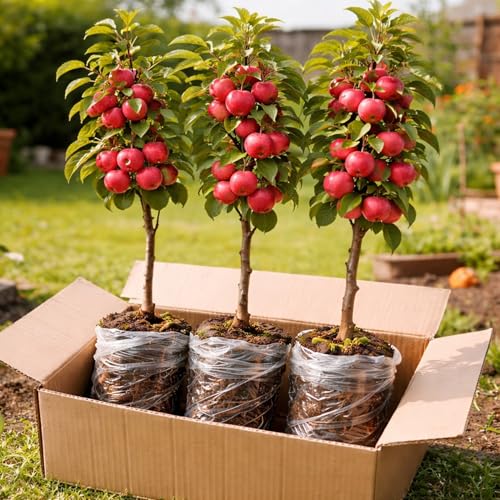
🍎 3 Live Crabapple Tree Saplings: Receive three healthy young apple tree saplings ready to plant and grow in your garden, backyard orchard, or container. Plants ship dormant (not leaves or fruit) in spring.
Types of Fruit Trees
Fruit trees fall into several categories. Here are some common types:
- Deciduous Trees: These trees lose their leaves in the winter, such as apple and peach trees. These trees thrive when planted in early spring.
- Evergreen Trees: These maintain their leaves year-round. Examples include citrus trees like oranges and lemons. They tend to prefer warmer climates.
- Stone Fruits: This category includes cherries, plums, and apricots. Stone fruits generally require specific chill hours for optimal growth.
- Berries: While not traditional trees, berry plants like raspberries and blueberries provide fruit and can be planted in spring.
Lifecycle and Growth Patterns
Understanding the lifecycle of fruit trees helps in successful planting. Here’s a breakdown:
- Dormancy: Most fruit trees enter a dormant state in winter, making early spring an ideal time to plant. Trees awaken as temperatures rise.
- Bud Break: Expect budding to occur as temperatures warm. Healthy buds signal the tree’s readiness for growth.
- Flowering: Trees blossom in spring, attracting pollinators. This phase often requires careful monitoring of frost risks.
- Fruit Development: Post-pollination, fruits develop during summer. Proper irrigation and care ensure a bountiful harvest.
- Harvesting: Depending on the species, fruits are usually ready between late summer and early fall.
Knowing these factors ensures you choose the right trees and season for planting, maximizing your garden’s potential.
Benefits of Planting in Spring
Planting fruit trees in spring offers numerous advantages that promote healthy growth. Spring’s warmer temperatures and longer days create a perfect environment for trees to thrive.
Ideal Weather Conditions
Spring brings milder temperatures, which are beneficial for planting. The ground begins to thaw, making it easier for roots to establish. Adequate rainfall in spring helps keep the soil moist, supporting root growth and minimizing transplant shock. For example, if you plant during early spring, trees begin to absorb nutrients as they wake from dormancy.
Encouraging Strong Growth
Planting in spring encourages robust growth. As temperatures rise, trees enter an active growth phase, promoting quicker establishment. In addition, early spring allows trees to produce leaves and flowers while the weather is still favorable. For instance, fruit trees planted in spring often bear fruit sooner compared to those planted in other seasons. This leads to a healthier, more fruitful tree in the long run.
Challenges of Spring Planting
Spring planting of fruit trees poses several challenges that gardeners should consider. Understanding these challenges helps in making informed choices during the planting process.
Recommended Products

Extra Thick Tree and Plant Covers for Winter: Scrubits Frost Blankets for outdoor plants and Trees will ensure that your Trees and large plants not only survive the winter but thrive and grow to blossom. With its extra thick fabric and long-lasting material, you can be confident about next year's harvest.

PACKAGE: The package includes 4Pcs plant covers,will meet your daily use or replacement. Measuring 31.5" x 47.3", the plant protector is waterproof, windproof.

Revolutionary Anti-freeze Protection: Plant covers freeze protection is made of 100% Reliable non-woven thickened polypropylene fabric Because the frost cloth fabric Thickness is 3.2 oz/yd² thicker and warmer, tear resistant than less expensive 1.3 oz/yd² fabric. Provides up to 2° F(-17℃) frost protection. In winter, frost blankets for outdoor plants can form a insulation layer for plants to isolate cold air and retain the oxygen required for plant respiration
Risk of Frost
Frost poses a significant risk for newly planted fruit trees in spring. Nighttime temperatures can still dip below freezing, potentially damaging young buds and flowers. Monitor local forecasts closely, especially during late frosts. If frost is predicted, protect young trees with blankets or pots to insulate against cold. This precaution helps preserve delicate growth until temperatures stabilize.
Pest and Disease Concerns
Spring marks the emergence of various pests and diseases that can affect young fruit trees. Aphids, spider mites, and other pests often become active as temperatures rise. Implementing preventative measures, like applying organic insecticidal soaps, can minimize damage. Additionally, ensure proper spacing around trees to promote airflow, reducing the risk of fungal diseases. Regular inspections for signs of pests or diseases inform prompt action, safeguarding your trees’ health.
Best Practices for Spring Planting
Spring provides an ideal time for planting fruit trees with warmer temperatures and extended daylight. Following best practices ensures successful growth and healthy trees.
Recommended Products

KNOW BEFORE YOU GROW | Grow the healthiest, sustainable lawn and garden with the most accurate and easy to use professional soil test kit on the market

Accurate Soil pH Testing: Dewildetradingco Soil pH Test Strips offer measurements of soil pH levels (pH 3.5-9). As an essential tool for every gardener and grower, these test strips help determine the optimal pH for various plants, such as outdoor plants, indoor plants, gardens, grass lawns, fruit trees, flowers, vegetables, and forest shrubs.

Kindly NOTE: This soil tester can not be applied to test pH value of any other liquid. If the soil is too dry the indicator will not move, and water it before testing.
Choosing the Right Location
Selecting the right spot for your fruit tree is crucial. Ensure the area receives full sun for at least six hours daily. Consider the proximity to structures or taller plants that may cast shadows. Look for a location with good air circulation to reduce pest issues. Avoid low spots where frost collects, as this can harm young trees.
Preparing the Soil
Soil preparation sets the foundation for tree health. Test the soil pH, aiming for a range between 6.0 and 7.0 for optimal fruit tree growth. Amend the soil by mixing in organic matter such as compost or well-rotted manure. This improves drainage and enriches nutrients. Dig a wide hole, twice the size of the root ball, to help the roots spread easily. Loosen compacted soil at the bottom to encourage root penetration.
By following these practices, you enhance the chances of thriving fruit trees that produce abundantly.
Conclusion
Planting fruit trees in spring can be a rewarding experience for any gardener. With the right timing and care you can set your trees up for a healthy and fruitful life. Remember to choose the right varieties for your climate and prepare your soil well.
Keep an eye on local weather conditions to protect your young trees from unexpected frosts. By following best practices and staying vigilant against pests you’ll be well on your way to enjoying the fruits of your labor.
So get ready to dig in and watch your garden flourish this spring!
Frequently Asked Questions
Is spring a good time to plant fruit trees?
Yes, spring is an excellent time to plant fruit trees. The warmer temperatures and longer days create ideal conditions for healthy growth, helping trees establish strong roots before the heat of summer.
What types of fruit trees should I consider for spring planting?
Consider planting deciduous trees, evergreens, stone fruits, and berry plants in spring. Each type has specific preferences regarding planting time and conditions, so choose based on your climate and desired harvest.
What are the benefits of planting in early spring?
Planting in early spring allows trees to absorb nutrients as they awaken from dormancy, leading to quicker establishment and often earlier fruit production compared to other seasons.
Can late frosts damage newly planted fruit trees?
Yes, late frosts can harm young buds and flowers on newly planted trees. Monitor local forecasts and consider covering trees or using protective measures as needed to prevent damage.
How can I protect my fruit trees from pests in spring?
To safeguard your fruit trees from pests like aphids and spider mites, use organic insecticidal soaps and ensure proper spacing for air circulation. Regularly inspect your trees for early signs of infestations.
What are best practices for spring planting of fruit trees?
Select a sunny location with full sun for at least six hours, test and amend the soil, and dig a wide hole for root spread. These practices enhance the chances of successful growth and abundant fruit production.
