

Have you ever wondered why your lemon tree isn’t producing fruit? You’re not alone. Many gardeners face the same frustration, watching their trees grow lush and green but missing those bright, tangy lemons.
Key Takeaways
- Lemon Tree Varieties: Familiarize yourself with types like Eureka, Lisbon, Meyer, and Ponderosa, as each has unique characteristics affecting fruit production.
- Ideal Growing Conditions: Ensure your lemon tree receives at least 8 hours of direct sunlight, well-draining soil with a pH of 5.5 to 6.5, regular watering, and protection from extreme temperatures.
- Fruit Production Factors: Key elements include proper sunlight exposure, consistent watering practices, and maintaining high soil quality to encourage healthy fruiting.
- Fertilization and Pruning: Use a balanced fertilizer rich in potassium every 6-8 weeks and prune your tree in early spring to improve airflow and fruit yield.
- Pest Management: Regularly inspect your lemon tree for pests and diseases, employing suitable treatments to maintain health and promote fruit production.
- Troubleshooting Issues: Address common problems like lack of fruit or overabundant foliage by examining pollination practices, soil nutrition, and watering methods to enhance your tree’s productivity.
Understanding Lemon Trees
Lemon trees thrive in specific conditions and come in various types. Knowing these details can enhance your chances of fruit production.
Common Varieties of Lemon Trees
Lemon trees come in several popular varieties:
- Eureka: This variety produces fruit year-round. It’s known for its juicy, tangy lemons and vigorous growth.
- Lisbon: Similar to Eureka, Lisbon trees bear fruit all year. Their lemons are often larger and have a thicker skin.
- Meyer: This is a hybrid of lemon and orange. Meyer lemons are sweeter and smaller, making them ideal for culinary uses.
- Ponderosa: Known for its large size, Ponderosa produces enormous lemons. However, it’s less cold-tolerant than other varieties.
Understanding these varieties helps you choose the best type for your garden.
Ideal Growing Conditions
Lemon trees require certain conditions to flourish:
- Sunlight: At least 8 hours of direct sunlight daily is essential for healthy growth. Position your tree accordingly.
- Soil: Well-draining soil with a pH between 5.5 and 6.5 is optimal. Mix in organic matter to enhance drainage and nutrients.
- Watering: Regular watering is crucial, especially during dry spells. Keep the soil consistently moist but avoid waterlogging.
- Temperature: These trees prefer temperatures above 50°F (10°C). Protect them from frost and extreme heat.
By meeting these ideal conditions, your lemon tree stands a better chance of producing fruit.
Factors Influencing Fruit Production
Understanding the factors that affect fruit production in lemon trees is essential for encouraging a bountiful harvest. Key elements include sunlight, watering practices, and soil quality.
Recommended Products
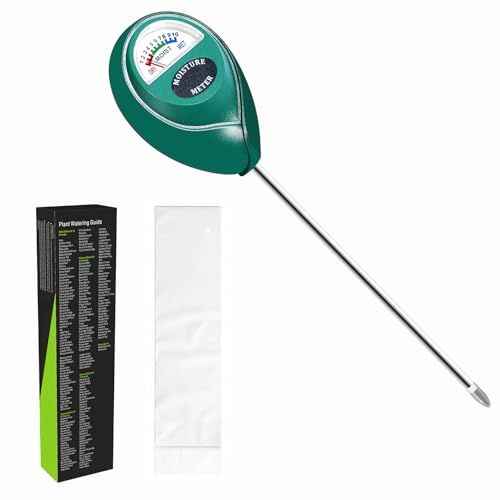
Trusted Since 2015: Become one of the many plant lovers who rely on the proven accuracy of XLUX. Established in 2015, our soil moisture meter has earned over 60,000+ verified ratings for its consistent performance. While many many newer brands come and go, we provide the long-term reliability and quality that American households have trusted for over a decade.

Accurate Soil Moisture Detection: The XLUX Soil Moisture Meter can tell you if the soil deep inside your pot or garden is dry, moist or wet; whereas your eyes and fingers can only determine the moisture level of the soil surface. The probe is 5.5 inches (14 cm) longer than regular styles, allowing it to measure the soil moisture at the bottom of larger and deeper flower pots.

【4 in 1 function】This is a 4-in-1 multifunctional soil tester.Our soil tester fastly to measure soil moisture, pH, temperature and sunlight to help you take better care of flowers and plants.You can know when you need to water your soil by measuring moisture and pH & Temperature value of the soil and sunlight level of plants with it.
Sunlight Requirements
Lemon trees require full sun for optimal growth. You should ensure your tree gets at least 6 to 8 hours of direct sunlight daily. Position your tree in a location that maximizes exposure. Insufficient sunlight leads to poor fruiting. If the tree’s leaves appear pale or yellow, consider relocating it to a sunnier spot.
Watering Practices
Consistent watering supports fruit production. Water your lemon tree deeply but infrequently, allowing the top inch of soil to dry out between watering sessions. Adjust the frequency based on weather conditions; hot temperatures will require more frequent watering. Overwatering can lead to root rot. A moisture meter can help you gauge soil moisture levels accurately.
Soil Quality
Soil quality plays a vital role in fruiting. Choose well-draining, sandy loam soil enriched with organic matter. The ideal pH level for lemon trees ranges from 5.5 to 6.5. Conduct a soil test to check pH and nutrient levels. If the soil lacks nutrients, consider adding compost or a balanced fertilizer specifically formulated for citrus trees, following package instructions for application rates.
Care Tips for Lemon Trees
Caring for your lemon tree effectively boosts its chances of producing fruit. Follow these guidelines to ensure your lemon tree thrives.
Recommended Products

Made for Lemon & Citrus Trees – Formulated to support healthy growth in lemon and citrus plants.

Essentials for Fruit Production- With a balanced NPK of 6-3-3 we made sure to pack this liquid plant food with all the important macronutrients such as nitrogen, phosphorus, and potassium plus micronutrients like zinc and manganese

Let our professionally formulated plant food help your citrus tree grow healthy, strong AND abundantly producing
Fertilization Techniques
Fertilization plays a critical role in fruit production for lemon trees. Use a balanced fertilizer high in potassium, like a 6-6-6 or 8-8-8 formula. Fertilize your tree every 6 to 8 weeks during the growing season, typically from early spring to late summer. Apply fertilizer at the base of the tree, avoiding the trunk. If you’re uncertain, check for nutrient deficiency signs such as yellowing leaves.
Pruning for Better Yield
Pruning your lemon tree encourages growth and improves fruit yield. Remove dead or crowded branches to increase airflow. Prune in early spring before new growth starts. Aim for a balanced shape, allowing sunlight to reach all branches. Remove any suckers growing from the base of the tree as they drain energy.
Pest and Disease Management
Monitoring your lemon tree for pests and diseases keeps it healthy. Common pests include aphids, spider mites, and whiteflies. Inspect leaves regularly and use insecticidal soap or neem oil for treatment. Maintain good air circulation and avoid overhead watering to prevent diseases like root rot and powdery mildew. If you notice dark spots on leaves or wilting, assess soil drainage and adjust watering practices. Regular inspections and prompt action against pests and diseases ensure your lemon tree thrives.
Troubleshooting Common Issues
Lemon trees may look healthy but often face fruiting challenges. Recognizing and addressing common issues enhances your chances of a fruitful harvest.
Recommended Products

Made for Potassium Support – Formulated to supply potassium for essential plant nutrition.

Package contains 4 Pounds organic fruit and citrus fertilizer grains and is produced to avoid wasteful runoff, mess, hazards and smells

PREMIUM QUALITY INGREDIENTS – Cz Garden Muriate of Potash is a water soluble, high purity, premium phosphate fertilizer for all indoor/outdoor flowers, lawn, and garden vegetables.
Lack of Fruit Development
Insufficient pollination may result in a lack of fruit. To encourage pollination, plant companion flowers nearby or hand-pollinate using a small brush to transfer pollen between blossoms.
Another factor is tree age. Young lemon trees, particularly those under three years old, typically focus on growth rather than fruit production. Patience is key; mature trees usually produce better yields.
Inconsistent watering also affects fruit development. Ensure you water deeply yet infrequently. This practice aids in developing strong root systems, which is vital for fruiting. Soil that retains moisture might lead to root rot, hindering nutrient uptake.
Lastly, consider soil nutrition. A lack of essential nutrients can impede fruiting. For optimal growth, apply a balanced fertilizer with high potassium content. Regular soil testing helps determine if amendments are needed.
Overbearing Leaves
Excessive leaf growth can signal a problem. When a lemon tree puts energy into foliage, it often neglects fruit production. To manage this, look at your pruning practices. Pruning in early spring encourages better air circulation and allows the tree to focus on fruit rather than leaves.
Check your fertilizer use, too. Over-fertilization, especially with nitrogen, promotes lush foliage at the expense of fruiting. Switch to a fertilizer designed for fruiting plants, one balanced with phosphorus and potassium.
Finally, monitor for pests. Insects like aphids can damage leaves and divert resources away from fruit production. Regular inspections can help catch infestations early, allowing for timely management.
By addressing these issues, you can steer your lemon tree back on the path to fruitful growth.
Conclusion
Growing a lemon tree that bears fruit can be a rewarding experience. By ensuring your tree gets enough sunlight and water while maintaining healthy soil conditions, you’re setting the stage for success. Remember to prune regularly and keep an eye out for pests that could hinder your efforts.
Patience is key with young trees as they may take a little longer to produce fruit. With the right care and attention, you’ll soon enjoy the satisfaction of harvesting your own lemons. So keep nurturing your tree and soon you’ll be reaping the delicious rewards of your hard work. Happy gardening!
Frequently Asked Questions
Why isn’t my lemon tree producing fruit?
Many factors can affect fruit production in lemon trees, including insufficient sunlight, poor soil quality, or incorrect watering practices. Lemon trees need at least 6-8 hours of direct sunlight daily, well-draining soil, and deep, infrequent watering.
What types of lemon trees are best for home gardening?
Popular lemon tree varieties for home gardening include Eureka, Lisbon, Meyer, and Ponderosa. Each variety has unique characteristics that can influence growth and fruit production, making them suitable for various gardening situations.
How often should I water my lemon tree?
Lemon trees should be watered deeply but infrequently, allowing the top inch of soil to dry out between waterings. This encourages strong root development and prevents root rot, which is vital for healthy fruit production.
What soil is best for lemon trees?
Lemon trees thrive in sandy loam soil enriched with organic matter. The ideal soil pH is between 5.5 and 6.5. Conducting a soil test and adding compost or balanced fertilizers can optimize soil conditions for fruiting.
How can I encourage my lemon tree to produce more fruit?
To boost fruit production, ensure your tree gets enough sunlight, maintain consistent watering practices, and use a balanced fertilizer high in potassium. Regular pruning and pest management also help redirect energy toward fruit development.
What are common pests that affect lemon trees?
Common pests include aphids and spider mites. Regular inspections are crucial to monitor for these pests, as they can divert resources away from fruit production. Management of pests through good air circulation and appropriate treatments is essential.
Can young lemon trees bear fruit?
Young lemon trees, particularly those under three years old, often prioritize growth over fruiting. It’s important to be patient and allow them time to establish strong roots and branches before expecting a harvest.
How can I improve pollination for my lemon tree?
To enhance pollination, consider planting companion flowers nearby or use hand-pollination techniques. This can help ensure better fruit set, especially if the natural pollinator activity is low in your area.
