

Ever found yourself struggling to make clean cuts in your garden? Wondering why your handheld pruner isn’t as sharp as it used to be? You’re not alone. Picture this: you’re trying to trim your favorite plants, but the dull blades just aren’t cutting it – literally. Fret not, as we’ve got your back!
Assessing the Blade Condition
Is your handheld pruner not cutting as smoothly as it used to? Blade condition might be the culprit. Here’s how you can assess it:
- Inspect the Blade: Look for nicks, chips, or dull edges. If you see any, it’s time for sharpening.
- Check for Rust: Rust can hinder cutting efficiency. A light coating can be removed, but deep rust may require professional help.
- Assess Blade Alignment: Blades should meet evenly along their length. Misaligned blades can cause uneven cuts.
- Test Cutting Performance: Try cutting a small branch. Is it a struggle or does it cut cleanly?
Remember, a well-maintained blade is key to efficient pruning.
Recommended Products

Tungsten Carbide Blade for Fast, Effective Sharpening – Features a durable tungsten carbide sharpening edge that restores a sharp, clean blade in just a few strokes, helping pruners, loppers, shears, and knives cut smoothly with less resistance.

VERSATILE – The most versatile sharpener in the market to sharpen and hone both single and double beveled blades including knife, mower blade, pruner, loppers, hedge shears, axe, machete, hatchet, scissors, edged tool, etc.

Durable monocrystalline diamonds coated full tang stainless steel. The diamond coating of this product has a very high hardness. It can sharpen all your tools like new ones.
Cleaning the Blades
To keep your handheld pruner in top condition, Cleaning the Blades regularly is essential. Here are some simple steps to help you maintain sharp and efficient blades:
- Start by disassembling the pruner to access the blades.
- Use a damp cloth to wipe off any dirt, sap, or debris that may have accumulated on the blades.
- For stubborn sap build-up, you can use a mild solvent or rubbing alcohol to clean the blades thoroughly.
- Inspect the blades for any signs of rust. If you spot rust, gently scrub the affected areas with a wire brush or steel wool.
- Dry the blades completely before reassembling the pruner to prevent rusting.
- Apply a thin layer of oil to the blades after cleaning to keep them lubricated and protected.
Properly cleaned blades not only ensure a smooth pruning experience but also extend the life of your pruner.
Recommended Products
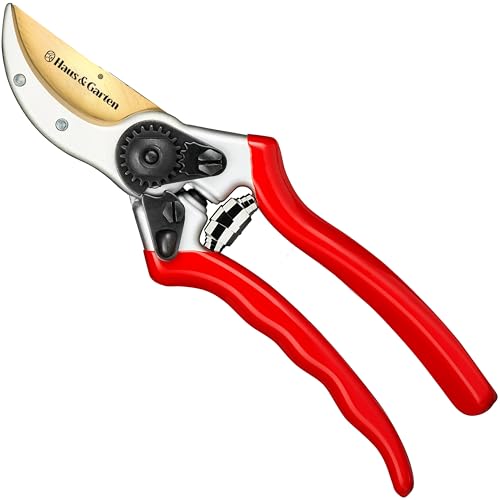
Sharp, Clean Cuts Every Time – Engineered from Japanese grade, high-carbon steel, ClassicPRO bypass pruning shears for gardening stay sharp and make precise cuts that encourage healthy growth and won’t damage your plants

Professional & Precision Pruning Shears Set:Three different blade types of garden scissors are available for precise trimming, leaf removal and branch pruning. The cuts are smooth and do not squeeze the branches, protecting the plants and thick branches while avoiding damage to the plants. Suitable for both amateur gardeners and professional gardeners.

【Compatibility】The sharp replacement blade is suitable for hand pruner models #2, 4, 11 and 400. It will bring your pruner back to life and make it look like new.
Sharpening Techniques
To maintain the sharpness of your handheld pruner and ensure efficient cutting, it’s essential to sharpen the blades regularly. Here are some effective sharpening techniques for your pruner:
- Sharpening Stone:
- Start by disassembling the pruner for easy access to the blade.
- Hold the cutting blade at a 20-degree angle and run the sharpening stone along the cutting edge in smooth, even strokes.
- Pruning Tool Sharpener:
- If you prefer a simpler method, a pruning tool sharpener can be a convenient option.
- Follow the manufacturer’s instructions for the sharpener you choose for optimal results.
- Professional Sharpening Service:
- For those who prefer a hands-off approach, consider seeking a professional sharpening service.
- This can be especially beneficial if you’re unsure about sharpening techniques or lack the time to do it yourself.
Regularly sharpening your handheld pruner will not only make cutting smoother and more precise but also prolong the life of your pruner, ensuring its efficiency for years to come.
Recommended Products


Reliable Material: our garden tool sharpener is made of corundum, with good wear resistance and corrosion resistance, you can use it with confidence, can be applied for a long time, and will not easy to break or fade

QUICK & EFFECTIVE SHARPENING ANYWHERE : Our is crafted from high-quality steel, delivering a fine, razor-sharp edge in seconds. It's perfectly designed for quick touch-ups on garden tools like pruners, shears, and knives, ensuring your blades are always ready for a clean cut, whether in the garden or at the campsite
Testing the Sharpness
Testing the Sharpness
When testing the sharpness of your handheld pruner blades, a simple paper test can give you a good indication of their condition. Here’s how you can do it:
- Hold a piece of paper in one hand.
- Use your pruner to cut through the paper in a swift, clean motion.
- If the pruner blade easily slices through the paper without tearing or folding it, it’s sharp.
- In contrast, if the blade struggles to cut through the paper or leaves ragged edges, it’s time to sharpen it.
Regularly testing the sharpness of your pruner blades ensures they are in optimal cutting condition, making your pruning tasks easier and more efficient.
Remember, a sharp blade not only makes your work smoother but also reduces the risk of damaging your plants by creating clean cuts that promote faster healing.
| Facts | Data |
|---|---|
| Efficient cutting | Optimal |
| Clean cuts | Faster healing |
| Pruner longevity | Enhanced |
By incorporating these testing methods into your routine maintenance, you’ll keep your handheld pruner blades sharp and ready for any pruning task that comes your way.
Maintaining Sharpness
Maintaining the sharpness of your handheld pruner is crucial for efficient and clean cuts. Regular sharpening ensures optimum performance and prolongs the life of your tool. Here’s how you can keep your pruner blades sharp and ready for any pruning task:
- Sharpening Tools: Use a sharpening stone or file specifically designed for pruner blades.
- Technique: Place the blade at the correct angle on the sharpening tool and move it in smooth, even strokes.
- Frequency: Sharpen your blades whenever you notice a decrease in cutting efficiency.
Proper maintenance of your handheld pruner blades is the key to seamless pruning sessions.
Conclusion
Now that you understand the importance of keeping your handheld pruner blades sharp for efficient and clean cuts, remember to regularly sharpen them using the right tools like sharpening stones or files. Be sure to pay attention to any decrease in cutting efficiency as a signal that it’s time for sharpening. By maintaining your pruner blades properly, you’ll ensure seamless pruning sessions and keep your tool ready for any task that comes your way. Happy pruning!
Frequently Asked Questions
How often should I sharpen my handheld pruner blades?
It is recommended to sharpen your handheld pruner blades when you notice a decrease in cutting efficiency. Regular sharpening ensures optimal performance and longevity of the tool.
What tools should I use to sharpen handheld pruner blades?
You can use sharpening stones or files to maintain the sharpness of your handheld pruner blades. These tools are effective in restoring the cutting edge for clean and precise cuts.
Why is it important to keep handheld pruner blades sharp?
Keeping your handheld pruner blades sharp is crucial for efficient and clean cuts during pruning. Sharp blades reduce strain on plants, promote quicker healing, and enhance the overall performance of the tool.
How can I ensure my pruner blades are always ready for use?
Proper maintenance, including regular sharpening and cleaning, is key to ensuring your pruner blades are always ready for any pruning task. By maintaining sharpness and cleanliness, you can enjoy seamless pruning sessions.
