

Are you dreaming of a backyard filled with fresh peaches, apples, or figs? Planting fruit trees can turn that dream into a delicious reality. But timing is everything, especially in Georgia’s unique climate.
Key Takeaways
- Understand Georgia’s Climate Zones: Familiarize yourself with Georgia’s five climate zones (6 to 10) to select suitable fruit tree varieties that thrive in your area.
- Optimal Planting Times: The best times to plant fruit trees in Georgia are late February to early April for spring planting and early to mid-October for fall planting.
- Soil Preparation is Key: Test and amend your soil for optimal pH (6.0 to 6.8) and nutrient levels to promote healthy root development.
- Choose Appropriate Varieties: Select fruit trees like peaches, apples, figs, and citrus that are well-suited for your specific climate zone for the best harvest results.
- Watering and Mulching: Implement consistent watering and apply organic mulch around the base of trees to maintain moisture and suppress weeds.
- Monitor Seasonal Changes: Keep an eye on weather patterns and soil temperatures to make informed decisions about planting and tree care.
Understanding Georgia’s Climate
Georgia’s climate varies widely across regions, making it essential to understand when to plant fruit trees. You’ll find a mix of warm summers and mild winters, which influences growth patterns for many fruit varieties.
Climate Zones in Georgia
Georgia features five primary climate zones, which impact optimal planting times:
- Zone 7: This area includes northern regions. It’s characterized by relatively cool winters and warm summers, suitable for apple and peach trees.
- Zone 8: Spanning central Georgia, this zone experiences mild winters. Fig and peach trees thrive here due to the longer growing seasons.
- Zone 9: Found in the southernmost parts, Zone 9 sees very mild winters and hot summers. Citrus trees and certain figs perform well in this warmth.
- Zone 6: A small zone in the northeast. It has colder winters, making it challenging for some fruits but still suitable for more resilient varieties.
- Zone 10: Rare in Georgia, this zone allows for tropical fruits, like bananas, due to its unique warm climate.
Seasonal Considerations
Understanding seasonal shifts helps you time your planting correctly:
- Spring Planting: Late February to early April is ideal. Soils warm up, and frost risk decreases, promoting strong root development.
- Summer Planting: This is less common due to high temperatures but can work with consistent watering and care.
- Fall Planting: Early to mid-October allows trees to establish roots before the frost. Focus on planting before the first hard freeze.
You can maximize fruit tree health by adapting to these seasonal nuances. Always monitor weather patterns and soil temperatures for the best planting outcomes.
Best Time to Plant Fruit Trees
Timing plays a crucial role in the success of your fruit trees. Understanding the ideal planting times in Georgia ensures your trees thrive and produce an abundance of fruit.
Recommended Products

Complete Orchard Starter Bundle: Receive 8 dormant bare root fruit trees with 2 each of Apple,Blueberry, Raspberry, Blackberry. A great way to start or expand a backyard orchard with a variety of delicious fruits.

BEGINNER-FRIENDLY & EASY TO GROW – Perfect for first-time bonsai growers, simple planting and care instructions

Spring Planting
Spring is an excellent time to plant fruit trees in Georgia. Aim for late February to early April, as this period allows trees to establish roots before the summer heat arrives. Select varieties suited to your climate zone. For example, apple and peach trees flourish in Zone 7, while figs thrive in Zone 8.
When planting in spring, consider the following tips:
- Check Soil Temperature: Soil should be warm, around 50°F, to encourage root growth.
- Early Planting Benefits: Planting earlier in spring gives trees a head start, allowing them to absorb moisture and nutrients as the days warm.
- Water Consistently: Keep the soil moist but not waterlogged to promote healthy root development.
Fall Planting
Fall planting can also be beneficial for establishing fruit trees. The ideal window is early to mid-October, which allows trees to settle before winter. This timing helps root systems develop when the ground is still warm, leading to healthier trees in spring.
Consider these tips for successful fall planting:
- Select Hardy Varieties: Choose varieties that can withstand colder temperatures, especially in Zone 6.
- Mulch Generously: Apply mulch around the base of the tree to insulate roots against frost.
- Water Before Dormancy: Ensure deep watering before the ground freezes to encourage solid root growth.
By choosing the right time to plant, whether in spring or fall, you increase the chances of your fruit trees thriving in Georgia’s diverse climate.
Choosing the Right Fruit Trees
Selecting the right fruit trees for your Georgia garden involves understanding your local climate and soil conditions. Knowing which trees thrive in your area will boost your chances of a fruitful harvest.
Recommended Products

Shipping Restrictions: Due to agricultural laws, we cannot ship to California, Arizona, Alaska, or Hawaii; orders will be cancelled if you ship to one of these states

4 kinds of the most popular fruits, individually packaged, 50pcs Lemon seeds 50pcs Cherry seeds 50pcs Orange seeds 50pcs Apple seeds Fresh seeds, all fruit seeds are packed in tear and moisture resistant zipper sealed bags for your long term storage.
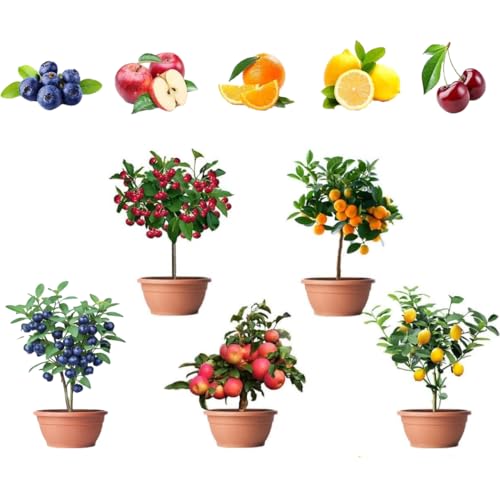
Variety Pack of 5 Fruits: Includes 40 Lemon seeds, 40 Orange seeds, 40 Apple seeds, 20 Cherry seeds, and 20 Blueberry seeds for a colorful and diverse home garden
Popular Fruit Trees in Georgia
- Peach Trees: These trees flourish in most regions of Georgia, especially in Zones 7 and 8. Varieties such as ‘Elberta’ and ‘Georgia Belle’ provide sweet, juicy fruits, perfect for canning or fresh eating.
- Apple Trees: Zones 7 and 6 support apple trees, with popular choices like ‘Honeycrisp’ and ‘Gala’. These trees require chilling hours, making them suitable for cooler areas in north Georgia.
- Fig Trees: Fig trees excel in Zone 8. Varieties like ‘Brown Turkey’ and ‘Celeste’ produce sweet fruits, thriving in a warm climate.
- Citrus Trees: In southern Georgia (Zone 9), consider lemon, lime, and orange trees. ‘Shiranui’ mandarins and ‘Meyer’ lemons prosper here due to the warm temperatures.
- Pomegranate Trees: Resistant to drought, pomegranate trees thrive in warmer zones. Look for ‘Wonderful’ or ‘Angel Red’ varieties for flavorful fruits.
- Climate Compatibility: Select trees aligned with your local climate zone. Check the USDA Plant Hardiness Zone Map to determine your area.
- Soil Quality: Test your soil for pH and nutrients. Most fruit trees prefer slightly acidic to neutral soil (pH 6.0 to 7.0). Amending with compost can improve soil health.
- Space Requirements: Assess available space. Larger trees, like peaches and apples, may need 15 to 20 feet between them, while dwarf varieties can thrive in tighter areas.
- Pollination Needs: Understand whether your chosen trees require cross-pollination. Many apple and pear trees benefit from having another tree nearby for better fruit set.
- Maintenance: Consider your willingness to perform regular care tasks, like pruning and spraying for pests. Some varieties are easier to maintain than others.
By focusing on these aspects, you can better ensure the success of your fruit trees, leading to a rewarding gardening experience in Georgia.
Planting Techniques and Tips
Planting fruit trees requires careful attention to details to ensure healthy growth. Following these techniques can lead to a fruitful harvest.
Recommended Products
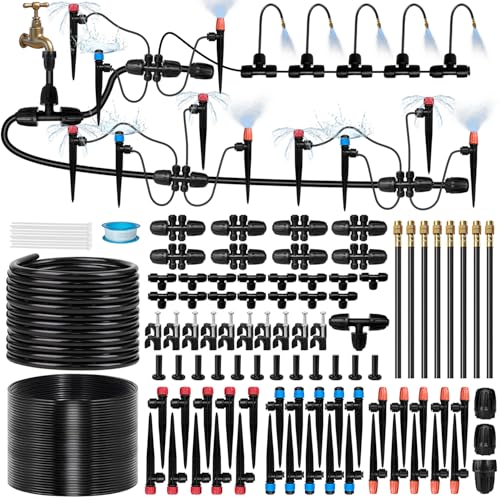
【Upgraded Tube Design & Water Saving】 Our garden watering system is upgraded to 1/2” diameter to support high water pressure. The 1/2” tee connector allows seamless splitting into 2 independent zones for customized watering schedules. By delivering moisture directly to root zones, this drip Irrigation system significantly reduces evaporation and runoff—saving more water compared to conventional sprinklers while eliminating the need for manual watering.

SAVE TIME AND EFFORT: This plant watering kit has everything you need to get started with drip irrigation and precisely water up to ten individual plants. Use the kit to build, expand, or repair a drip irrigation system
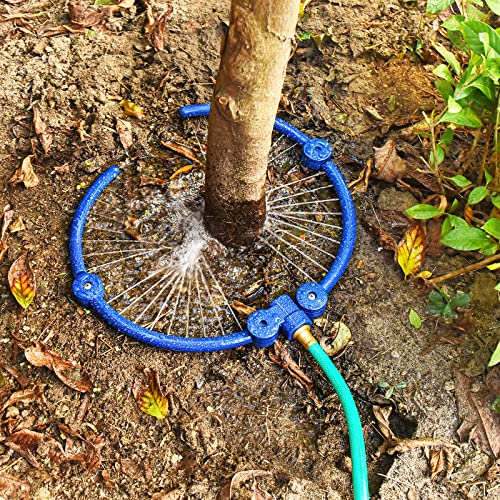
【Specially Designed for Trees and Shrubs】 The Watering Ring is a multi-purpose irrigation ring that attaches to a garden hose to efficiently water young trees shrubs vegetables or flower beds using drip or trickle irrigation.It directs water to the root perimeter of the plant to give them a good start during the first two growing seasons or through periods of drought.
Soil Preparation
Soil quality directly impacts fruit tree health. Test your soil for pH, aiming for a range of 6.0 to 6.8 for most fruit trees. Amend the soil with organic matter, such as compost or aged manure, to enhance fertility. Dig a hole twice as wide as the root ball but no deeper than the root collar. This promotes proper root development and drainage. Remove any rocks or debris from the site. You can focus on well-drained soil that’s rich in nutrients, which sets a strong foundation for your fruit tree.
Watering and Mulching
Watering is crucial, especially immediately after planting. Provide deep watering to encourage roots to grow deeper. Aim for 1-2 inches of water per week, adjusting based on rainfall. Implement a drip irrigation system for consistent moisture without overwatering.
Mulching is equally important. Apply a layer of organic mulch, like wood chips or straw, around the base of the tree. This preserves moisture, suppresses weeds, and regulates soil temperature. Ensure that mulch doesn’t touch the trunk, as this helps prevent rot and pests. Replenish mulch as needed, typically once or twice each year, to maintain optimal conditions.
Conclusion
Planting fruit trees in Georgia can be a rewarding experience that brings fresh produce right to your backyard. By understanding the best times and methods for planting based on your specific climate zone you can set your trees up for success. Whether you choose to plant in spring or fall each season offers unique advantages that can help your trees thrive.
Remember to consider the soil quality and the specific needs of the fruit trees you select. With a little preparation and care you’ll be well on your way to enjoying a bountiful harvest in no time. Happy planting!
Frequently Asked Questions
What are the benefits of planting fruit trees in my backyard?
Planting fruit trees provides fresh produce, enhances your garden’s aesthetic, and can increase property value. You also enjoy the satisfaction of growing your own food, promote biodiversity, and contribute positively to the environment.
What fruit trees are suitable for Georgia’s climate?
Georgia’s climate supports a variety of fruit trees. Popular options include peaches and apples in Zone 7, figs and peaches in Zone 8, and citrus trees in Zone 9. Always consider your specific zone for the best results.
When is the best time to plant fruit trees in Georgia?
The best time to plant fruit trees in Georgia is between late February and early April for spring planting. Fall planting is also beneficial, ideally in early to mid-October, allowing roots to establish before winter.
How do I choose the right fruit trees for my garden?
Select fruit trees based on your climate zone, soil conditions, and available space. Popular choices include peaches, apples, figs, and pomegranates. Ensure you consider pollination needs and maintenance requirements for each variety.
What are essential planting techniques for fruit trees?
Important techniques include preparing well-drained, nutrient-rich soil and digging a hole twice as wide as the root ball. Deep watering, mulching, and adding organic matter to the soil are vital for healthy growth and fruit production.
How can I ensure my fruit trees thrive?
To ensure your fruit trees thrive, provide consistent moisture, maintain a proper pH level of 6.0 to 6.8, and apply mulch to regulate soil temperature. Regularly check for pests and diseases to keep your trees healthy.
