

Choosing the right nectarine trees for San Diego involves selecting varieties that thrive in coastal climates. The best options include the Fantasia and Arctic Star nectarine trees, known for their adaptability and fruit quality.
Coastal Nectarine Varieties for San Diego
When selecting nectarine trees for coastal San Diego, consider varieties that perform well in warm climates. The Fantasia and Arctic Star are popular choices due to their resistance to diseases and ability to produce high-quality fruit. Both varieties require specific care to maximize yield and fruit quality.
| Variety | Chill Hours | Fruit Size | Flavor Profile | Disease Resistance |
|---|---|---|---|---|
| Fantasia | 300-400 | Medium | Sweet | High |
| Arctic Star | 400-500 | Large | Sweet-Tart | Moderate |
Coastal Conditions for Nectarine Cultivation
San Diego’s coastal climate presents unique challenges and opportunities for growing nectarines. Understanding the specific conditions of this region is essential for successful cultivation, as factors like temperature, humidity, and soil type can significantly impact tree health and fruit quality. This section explores the ideal coastal conditions that foster thriving nectarine trees in San Diego.
Coastal conditions in San Diego present unique challenges for growing nectarine trees. Factors such as humidity, soil type, and temperature fluctuations can affect tree health. Understanding these conditions helps in selecting the right planting site and care regimen.
Soil Type: Well-draining sandy loam is ideal for nectarines.
Sunlight: Full sun exposure is essential for optimal growth.
Watering: Regular watering is necessary, especially during dry spells.
Nectarine Tree Planting Site Preparation
Preparing the planting site for nectarine trees is crucial for their success in San Diego’s coastal climate. Proper site selection and preparation can significantly influence growth, fruit quality, and overall tree health. This section will guide you through essential steps to create an ideal environment for your nectarine trees.
Proper site preparation is crucial for successful planting of nectarine trees. Follow these steps to ensure a healthy start.
Choose a Sunny Location: Select a spot that receives at least 6-8 hours of sunlight daily.
Test Soil pH: Aim for a pH between 6.0 and 7.0 for optimal nutrient absorption.
Amend Soil: Incorporate organic matter to improve drainage and nutrient content.
Nectarine Tree Care and Growth Strategies
Successfully growing nectarines in San Diego requires understanding the specific care and growth strategies suited to the coastal climate. This section will explore essential practices for nurturing your nectarine trees, from soil preparation to pruning techniques, ensuring a bountiful harvest in your backyard. Tailoring your approach to the local environment will enhance both tree health and fruit quality.
Regular care is essential for the health of nectarine trees. Implementing a consistent maintenance routine will enhance growth and fruit production.
Fertilizing: Use a balanced fertilizer in early spring.
Pruning: Prune trees in late winter to shape and remove dead branches.
Pest Control: Monitor for pests like aphids and scale, applying organic pesticides as needed.
Recommended Products
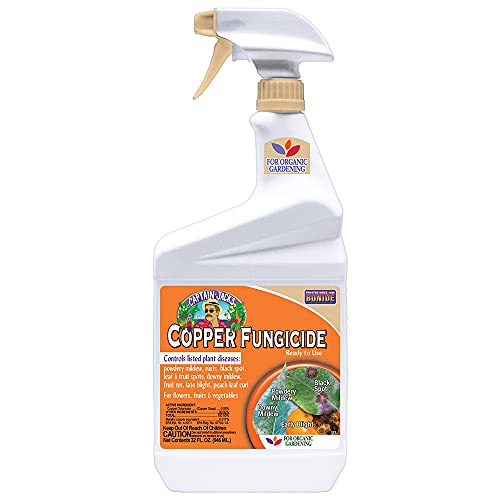
Control fungus and disease in your garden with Captain Jack’s ready-to-use Liquid Copper Fungicide!
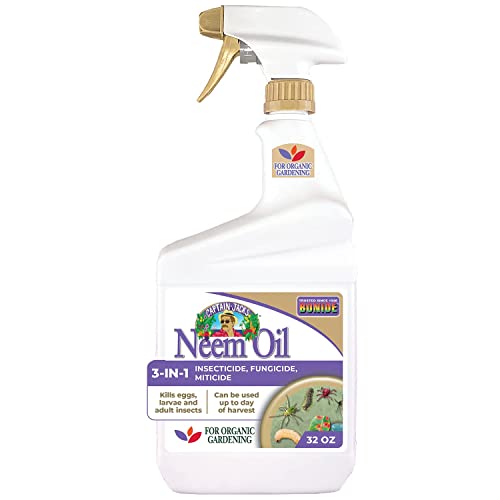
Protect your oasis with 3 garden products in 1 from Captain Jack’s; Bonide Captain Jack’s Ready-to-Use Neem Oil spray for plants is a multi-purpose fungicide, insecticide and miticide for your lawn & garden

Neudorff Copper Fungicide Controls Listed Plant Diseases: Powdery Mildew, Rusts, Black Spot, Leaf & Fruit Spot, Downy Mildew, Fruit Rot, Late Blight, Peach Leaf Curl and Other Listed Diseases.
Common Nectarine Tree Diseases to Watch For
Nectarine trees can thrive in San Diego’s coastal climate, but they are not immune to various diseases that can affect their health and productivity. Understanding the common ailments that can afflict these trees is crucial for maintaining a vibrant orchard. This section highlights the key diseases to watch for and offers insights on how to manage them effectively.
Nectarine trees are susceptible to certain diseases that can impact yield. Recognizing symptoms early can prevent severe damage.
Brown Rot: Affects fruit, causing decay. Remove infected fruit immediately.
Leaf Curl: Causes leaves to curl and distort. Apply fungicides in early spring.
Nectarine Harvest Timing for Optimal Flavor
Understanding the timing of nectarine harvest is crucial for achieving the best flavor and quality in your fruit. In San Diego’s unique coastal climate, knowing when to pick your nectarines can make a significant difference in taste and texture. This section will guide you through the optimal harvest period to ensure your nectarines are at their peak.
Timing is critical when harvesting nectarines. Picking fruit at the right stage ensures optimal flavor and texture.
Color: Look for a vibrant color change, indicating ripeness.
Firmness: Gently squeeze the fruit; it should yield slightly.
Taste Test: Sampling a fruit can confirm flavor readiness.
Nectarine Storage Techniques for Quality Preservation
Proper storage techniques are essential for preserving the quality and flavor of nectarines, especially in the unique climate of San Diego. Understanding how to handle and store these fruits can significantly extend their shelf life and maintain their delicious taste. This section explores effective methods to ensure your nectarines stay fresh and enjoyable for as long as possible.
Proper storage extends the shelf life of harvested nectarines. Follow these guidelines to maintain quality.
Room Temperature: Store unripe nectarines at room temperature until they soften.
Refrigeration: Once ripe, refrigerate to prolong freshness.
Avoid Ethylene Gas: Keep nectarines away from bananas and apples to prevent premature ripening.
Troubleshoot Common Growing Issues
Growing nectarines in San Diego can be rewarding, but various challenges may arise. Understanding common issues such as pests, diseases, and environmental factors is essential for maintaining healthy trees. This section will help you identify and troubleshoot these problems to ensure a bountiful harvest.
Identifying and addressing common issues can improve the health of your nectarine trees.
Leaf Drop: Caused by overwatering or drought stress. Adjust watering schedule.
Poor Fruit Set: May result from inadequate pollination. Plant companion flowers to attract pollinators.
| Issue | Symptoms | Solutions |
|---|---|---|
| Leaf Drop | Yellowing leaves | Adjust watering |
| Poor Fruit Set | Few fruits on tree | Encourage pollinators |
Recommended Products

Non-GMO Seeds: These nectarine tree seeds are completely natural and non-genetically modified, ensuring you grow authentic, wholesome fruit trees that produce delicious nectarines with traditional flavor and nutritional value for your family to enjoy

*Due to California Department of Agriculture, we cannot ship this item to the state of California*

We cannot ship this live plant to CA, AZ, AK, or HI. Any orders placed from these states will be canceled and refunded immediately.
Local Gardening Support for Nectarine Success
Growing nectarines in San Diego can be a rewarding experience, but local gardening support is crucial for success. Understanding the specific climate and soil conditions of the region can help you choose the right varieties and care techniques. This section explores resources and tips tailored to enhance your nectarine tree cultivation in the coastal environment.
Local gardening clubs and extension services can provide valuable support for growing nectarine trees. Engaging with these resources can enhance your knowledge and success.
Workshops: Attend workshops on tree care and pest management.
Networking: Connect with local growers for tips and advice.
Soil Testing Services: Use local services to analyze soil health.
By selecting the right varieties and implementing effective care practices, you can successfully grow nectarine trees in San Diego’s coastal climate.
