

Have you ever planted a fruit tree and wondered when you’ll finally get to enjoy its delicious bounty? You’re not alone. Many new gardeners face the same question, eager to see their hard work pay off.
Key Takeaways
- Understand Growth Stages: Fruit trees go through several stages, with the seedling stage lasting up to six months, followed by the young tree stage from six months to three years, before they start producing fruit.
- Species Matters: Different fruit tree species have varying timelines for fruit production, such as apple trees (3-5 years), pear trees (4-6 years), cherry trees (3-7 years), and peach trees (3-4 years).
- Optimal Growing Conditions: Ensuring nutrient-rich soil, adequate sunlight (6-8 hours a day), consistent watering, and proper fertilization are crucial for promoting healthy fruit tree growth and early fruit production.
- Pruning Techniques: Regular pruning helps shape trees, encourages airflow, removes dead branches, and ultimately stimulates fruit production, with the best time to prune being during the dormant season.
- Soil and Nutrient Management: Testing and amending soil for the right pH (6.0-7.0) along with balanced fertilization (10-10-10 N-P-K) can significantly boost fruit development and tree health.
- Timing Expectations: Knowing the expected timeline for your specific fruit trees can manage expectations and encourage patience as you await their fruitful rewards.
Understanding Fruit Tree Growth Stages
Understanding the growth stages of fruit trees helps you gauge when they’ll start producing. Each stage plays a crucial role in the tree’s development and eventual fruit production.
Seedling Stage
During the seedling stage, you’ll see the initial growth of your fruit tree. This stage typically lasts from germination to about six months old. Young seedlings focus on developing roots and leaves. You should ensure they receive plenty of sunlight and water to promote healthy growth. Protect seedlings from extreme temperatures and pests.
Young Tree Stage
The young tree stage begins when your tree is around six months to three years old. This is when the tree establishes its trunk and branches. During this time, proper pruning can encourage growth and shape the tree for future fruit production. Fertilization is also essential. Use a balanced fertilizer to support nutrient uptake. Expect your tree to show its first flowers in the last year of this stage, signaling the impending arrival of fruit.
Factors Influencing Fruit Production
Understanding the factors that influence fruit production helps you manage your expectations as a gardener. Several elements play a crucial role in determining how soon your fruit trees will yield harvestable fruit.
Recommended Products

Comprehensive Soil Analysis: Liquid soil test kits offer a comprehensive analysis of essential soil parameters, including pH, ammonia, nitrogen, phosphorus, and potassium. Having all these measurements in one kit provides a holistic understanding of the soil's fertility and health.

Quick, at home results for Soil pH, Nitrogen, Phosphorous and Potash Innovative and inexpensive soil test kit features an easy-to-use capsule system and patented color comparators

Kindly NOTE: This soil tester can not be applied to test pH value of any other liquid. If the soil is too dry the indicator will not move, and water it before testing.
Tree Species
Tree species significantly impact the timeline for fruit production. Different species mature at varying rates. Here’s a brief overview:
- Apple Trees: Common apple varieties, like Gala and Fuji, typically take 3-5 years to bear fruit.
- Pear Trees: Pears usually take about 4-6 years for production, with some varieties needing up to 7 years.
- Cherry Trees: Sweet cherries often require 4-7 years, while sour varieties may produce in 3-5 years.
- Peach Trees: Most peach trees start producing within 3-4 years.
Choosing the right species according to your climate and soil is essential for timely fruiting.
Growing Conditions
Growing conditions directly affect a tree’s ability to produce fruit. Key factors include:
- Soil Quality: Nutrient-rich, well-draining soil promotes healthy growth. Use soil testing kits to assess and amend your soil as needed.
- Sunlight: Most fruit trees require full sun for at least 6-8 hours a day. Position your trees in locations that capture the most sunlight year-round.
- Watering: Consistent moisture supports fruit development. Young trees need regular watering, especially during dry spells.
- Fertilization: Balanced fertilizers encourage growth. Apply a fertilizer with a ratio like 10-10-10 during the growing season.
By focusing on these factors, you enhance your tree’s potential for fruit production.
Timeline for Common Fruit Trees
Understanding when fruit trees start producing helps manage your gardening expectations. Here’s a timeline for some common fruit trees:
Recommended Products

Let our professionally formulated plant food help your fruit tree grow healthy, strong AND abundantly producing

Package Includes: Contents 1 Manual gardening grafting cutter and 2 rolls of 2 sizes of grafting tape, meeting your needs.

【Surgical-Precision Grafting Tools】 Crafted with Japanese SK5 High-Carbon Steel blades (HRC 58-60 hardness) and ergonomic ABS handles, our 2-in-1 pruner delivers clean cuts up to 1/2" diameter branches. Dual-edge Ω/U/V blades prevent stem crushing, boosting grafting success rates by 40%* (*lab test data).
Apple Trees
Apple trees typically produce fruit 3-5 years after planting. Plant grafted varieties for quicker results or opt for seedlings for a longer wait. Ensure full sunlight exposure and adequate watering. Pruning the tree annually encourages healthy growth and fruit production.
Cherry Trees
Cherry trees take 3-7 years to bear fruit, depending on the variety. Sweet cherries tend to produce sooner than sour cherries. Choose a site with well-draining soil and plenty of sunlight. Regular fertilization supports development and yields a better harvest.
Citrus Trees
Citrus trees usually start producing fruit within 2-5 years. Varieties like lemon or lime trees often bear fruit earlier. Provide ample sunlight and consistent watering. Keep the trees pruned to improve air circulation and enhance fruit quality.
Tips to Encourage Early Fruit Production
Encouraging your fruit trees to produce early can significantly enhance your gardening experience. Here are some practical strategies to achieve that.
Recommended Products
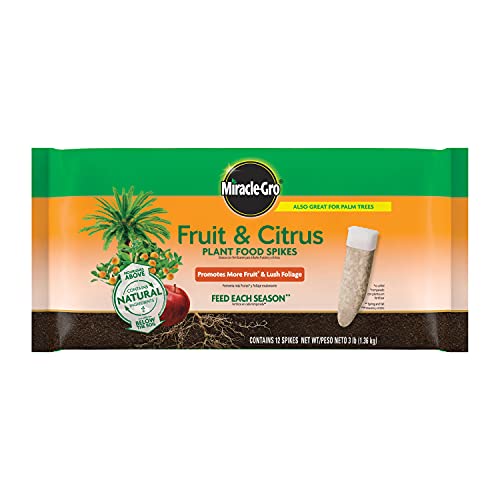
FORMULATED FOR CITRUS AND FRUIT TREES: Use these citrus fertilizer spikes on apple, orange, lemon, lime, and avocado trees; this formula is also great for feeding palm trees

Let our professionally formulated plant food help your fruit tree grow healthy, strong AND abundantly producing

Package contains 4 Pounds organic fruit and citrus fertilizer grains and is produced to avoid wasteful runoff, mess, hazards and smells
Proper Pruning Techniques
Pruning shapes your tree and promotes healthy growth. Start by removing dead or diseased branches. This action prevents potential pest infestations and allows more light to reach healthy growth. Thin out crowded branches to improve airflow, which helps reduce disease. Focus on maintaining an open canopy. This openness facilitates sunlight and air circulation, essential for fruit production.
Prune during the dormant season, typically late winter or early spring. Be cautious when removing branches; aim to retain a balanced structure. For young trees, prune to encourage a strong central leader. This technique helps the tree establish its framework. As trees mature, transition to more selective pruning, focusing on improving fruit quality rather than overall size.
Soil and Nutrient Management
Healthy soil promotes rapid growth and fruit production. Test your soil to ensure proper pH levels, ideally between 6.0 and 7.0. This range supports nutrient availability for fruit trees. If your soil is lacking, consider amending it with compost or well-rotted manure. These organic materials enhance soil structure and provide essential nutrients.
Fertilize your trees with a balanced fertilizer during the growing season. A ratio of 10-10-10 (N-P-K) works well. Apply according to the manufacturer’s instructions, typically once in spring and once in mid-summer. Avoid over-fertilizing, as this can lead to excessive foliage growth at the expense of fruit development.
Water your trees adequately, ensuring the soil remains moist but not waterlogged. Newly planted trees often require more frequent watering. A consistent moisture level supports root development and promotes fruiting. Use mulch to retain moisture and regulate soil temperature, creating a healthy environment for roots.
By implementing proper pruning techniques and maintaining optimal soil and nutrient management, you encourage your fruit trees to produce fruit sooner.
Conclusion
Growing fruit trees is a journey filled with excitement and patience. As you nurture your trees through their various stages of growth you’re not just waiting for fruit; you’re investing in a rewarding experience.
With the right care and attention your trees will eventually reward you with delicious fruits. Remember to keep an eye on the specific needs of your chosen varieties and adjust your care accordingly.
Before you know it you’ll be enjoying the fruits of your labor. Happy gardening and may your trees flourish!
Frequently Asked Questions
When can I expect to harvest fruit from my newly planted tree?
Generally, fruit trees take anywhere from 2 to 7 years to produce fruit, depending on the species. For example, citrus trees may begin bearing fruit in 2-5 years, while apple trees typically take about 3-5 years. The specific variety and proper care can also influence this timeline.
What are the growth stages of fruit trees?
Fruit trees go through three main stages: seedling (germination to 6 months), young tree (6 months to 3 years), and mature tree (3+ years). Each stage has unique growth needs, including proper sunlight, watering, and pruning to ensure healthy development.
How can I encourage early fruit production?
To promote early fruit production, focus on proper pruning, soil management, and adequate watering. Prune during the dormant season to remove dead branches and improve airflow. Ensure good soil quality with a pH of 6.0-7.0 and fertilize with a balanced fertilizer.
What factors influence fruit production in trees?
Several factors can impact fruit production, including tree species, soil quality, sunlight exposure, and water availability. Understanding these elements helps gardeners manage their expectations and optimize conditions for their fruit trees.
Are grafted fruit tree varieties better for quicker yields?
Yes, grafted fruit tree varieties often produce fruit more quickly than non-grafted varieties. This technique combines the best rootstock with desirable fruiting varieties, allowing for earlier fruit production and sometimes improved disease resistance.
