

Have you ever dreamed of picking fresh cherries from your own backyard? If you’re considering planting a cherry tree, you might be wondering how long it’ll take before those sweet fruits appear. It’s a common question for new gardeners eager to enjoy the rewards of their hard work.
Key Takeaways
- Fruiting Timeline: Cherry trees typically begin to bear fruit between 3 to 7 years after planting, depending on the variety and care provided.
- Variety Matters: Sweet cherry trees generally take longer (4 to 7 years) to fruit compared to sour cherries (3 to 5 years), and ornamental cherries may fruit in 2 to 5 years.
- Care for Success: Improving soil quality, providing adequate water, and proper fertilization are vital for encouraging fruitful growth in cherry trees.
- Watch for Challenges: Be mindful of pests, diseases, and environmental stressors that can hinder fruiting; regular monitoring and care can mitigate these risks.
- Growing Conditions: Ideal growing conditions include well-drained soil, sufficient sunlight (at least 6 hours), and consistent watering to support healthy tree development.
Factors Affecting Cherry Tree Fruiting
Multiple factors influence when cherry trees begin to bear fruit. Understanding these elements can help you maximize your yield and enjoy those delicious cherries sooner.
Tree Age
Tree age plays a crucial role in fruit production. Generally, cherry trees start fruiting between 3 to 7 years after planting. Younger trees may not produce any cherries, while mature trees yield significantly more. For example, sweet cherry trees often take about 4 to 6 years to start fruiting, whereas sour cherry trees typically fruit within 3 to 5 years. Regular care during these early years promotes healthy growth and can lead to earlier fruiting.
Variety of Cherry Tree
Different varieties of cherry trees have distinct growth and fruiting timelines. For instance, Bing cherries, a popular sweet variety, typically mature later than Morello cherries, which are known for their tartness. Other varieties, like Rainier cherries, are also well-known for their flavors but may take longer to bear fruit. Selecting the right variety for your climate and taste preferences can significantly impact your harvest timeline.
Growing Conditions
Growing conditions directly affect when cherry trees produce fruit. Factors like soil quality, sunlight, and water availability are vital. Ideal soil needs good drainage and a pH between 6.0 and 7.0. Cherry trees thrive in full sun, requiring at least 6 hours of direct sunlight daily. Additionally, consistent watering during dry spells supports healthy growth. Inadequate conditions can delay fruiting or lead to poor harvests. Implementing these practices creates a favorable environment for your cherry trees.
Timeline for Cherry Tree Fruiting
Cherry trees take several years to produce fruit, depending on factors like variety and growing conditions. Familiarizing yourself with these timelines helps you plan for harvesting fresh cherries from your garden.
From Planting to Fruiting
Most cherry trees start bearing fruit between 3 to 7 years after planting. If you planted a tree from a nursery, it might already be a year or two old, reducing the fruiting timeline. Patience is vital, as trees need time to establish their root systems. Regular care in the form of watering, pruning, and mulching supports this process and encourages earlier fruit production.
Expected Timeframes for Different Varieties
Different cherry tree varieties exhibit various timelines for fruiting. Here’s a breakdown:
| Variety Type | Fruit Bearing Timeframe |
|---|---|
| Sweet Cherry | 4 to 7 years |
| Sour Cherry | 3 to 5 years |
| Ornamental Cherry | 2 to 5 years |
- Sweet Cherry: Typically takes 4 to 7 years before you see its first fruits. Popular varieties like Bing and Rainier fall under this category.
- Sour Cherry: Fruiting occurs earlier, generally within 3 to 5 years. Varieties such as Montmorency produce tart cherries ideal for pies.
- Ornamental Cherry: Some ornamental trees bear small fruit within 2 to 5 years, though they are primarily grown for their blossoms.
Understanding these timelines allows you to choose the right tree based on how quickly you want to enjoy your cherries.
Care Tips for Encouraging Fruiting
Proper care significantly boosts your cherry tree’s chances of producing fruit. Focus on soil quality, fertilization, watering, and pruning practices to encourage healthy growth.
Recommended Products

Supports Roots, Foliage & Structure – Helps encourage strong roots and steady plant development.
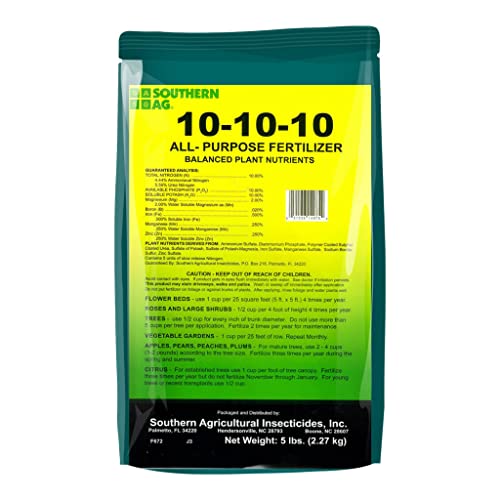

COMPREHENSIVE PLANT NUTRITION: The 10-10-10 in our liquid plant fertilizer signifies a balanced blend of Nitrogen (N), Phosphorus (P), and Potassium (K), each contributing 10% to the total composition. Nitrogen is essential for promoting lush, vibrant foliage and overall growth, while Phosphorus is integral to root development and crucial for blooming and fruiting. Potassium is responsible for overall plant health
Soil Quality and Fertilization
Good soil quality is essential for cherry tree health. Ensure your soil drains well and has a pH range of 6.0 to 7.0. You can improve soil texture by mixing in organic matter like compost or well-rotted manure. Regularly testing your soil can help identify nutrient deficiencies.
Fertilization plays a crucial role in tree development. Use a balanced fertilizer, such as a 10-10-10 NPK, applied in early spring. Follow package instructions for dosage based on your tree’s age and size. As a guideline, young trees may require 1 to 2 cups, while mature trees may need 3 to 4 cups. If your soil is rich in nutrients, reduce fertilizer applications to prevent over-fertilization.
Watering and Pruning Practices
Consistent watering helps establish your cherry tree. Aim for 1 to 2 inches of water weekly, either from rainfall or manual watering. The soil should remain moist but not soggy. During dry spells, increase your watering frequency to support fruit development.
Pruning supports good air circulation and light penetration, both vital for fruiting. In late winter or early spring, remove dead or diseased branches and those growing toward the center. Thin out excessive growth to shape the tree and allow sunlight to reach all parts. Proper pruning encourages vigorous growth while enhancing fruit quality and yield.
Common Challenges in Cherry Tree Fruiting
Cherry trees face several challenges that can affect fruiting. You can expect to encounter pests, diseases, and environmental stressors as you nurture your tree.
Recommended Products

Control diseases and insects in your garden with Captain Jack’s Fruit Tree Spray Concentrate! Use on a variety of listed fruits, nuts and citrus plants.

3-in-1 FORMULA: Aphid spray for outdoor plants for use on roses, flowers, shrubs and trees to control listed insects, disease and mites

3-IN-1 PLANT CARE: 3-In-1 Insect, Disease & Plant Mite Control provides insect control, disease control, and plant mite control all in one; Rainproof protection starts in 4 hours and lasts up to 14 days
Pests and Diseases
Pests like aphids and mites target cherry trees, sucking sap and weakening their growth. They’re particularly active during warm months. Regular monitoring and treatment can help keep these pests at bay. For example, introducing natural predators, such as ladybugs, can effectively control aphid populations.
Diseases, such as cherry leaf spot and brown rot, also pose threats. Cherry leaf spot manifests as dark spots on leaves, leading to premature leaf drop, while brown rot affects fruit, causing it to rot on the tree. To combat these diseases, maintain good air circulation and remove any infected leaves or fruit promptly. Applying fungicides in early spring can further reduce the risk.
Environmental Stressors
Environmental stressors, including temperature extremes and inadequate water, can impact your cherry tree’s ability to bear fruit. Cherry trees thrive in well-drained soil with a pH between 6.0 and 7.0. You may need to amend the soil with organic matter to improve its structure and drainage.
Temperature plays a crucial role in fruit set, with cherry trees needing a cold winter to break dormancy. Late spring frosts can damage blossoms, reducing your harvest. To protect blossoms, cover the tree during unexpected frosts, or plant in a location less prone to frost.
Watering practices also affect fruit production. You should aim to provide 1 to 2 inches of water weekly, especially during dry spells. Deep watering encourages strong root development, enhancing the tree’s resilience against stressors. Keeping these factors in check helps ensure your cherry tree produces a bountiful harvest.
Conclusion
Growing your own cherry tree can be a rewarding journey. While patience is key you’ll soon find that the effort you put in will pay off with delicious fruit. By understanding the specific needs of your tree and providing proper care you can help speed up the fruiting process.
Remember to keep an eye on soil quality and watering practices. With the right attention your cherry tree can thrive and bring joy to your garden. So get ready to enjoy those sweet or tart cherries in just a few years. Happy gardening!
Frequently Asked Questions
How long does it take for a cherry tree to bear fruit?
Cherry trees typically start producing fruit between 3 to 7 years after planting. Sweet cherries take about 4 to 7 years, while sour cherries can bear fruit in 3 to 5 years. Ornamental cherries may yield small fruit in 2 to 5 years.
What factors affect cherry tree fruiting?
Key factors include the age of the tree, variety, and growing conditions. Soil quality, sunlight, and water availability significantly influence fruit production. Proper care can help ensure a more successful harvest.
What are the best care practices for cherry trees?
To promote fruiting, focus on good soil drainage with a pH of 6.0 to 7.0, consistent watering of 1 to 2 inches weekly, and balanced fertilization in early spring. Regular pruning is also essential for healthy growth.
What should I do about pests affecting my cherry trees?
Common pests like aphids and mites can harm cherry trees. Use natural predators, such as ladybugs, to control these pests. Regular monitoring and maintenance can help protect your tree’s health.
How can I protect my cherry trees from diseases?
To prevent diseases like cherry leaf spot and brown rot, ensure good air circulation around the tree and apply fungicides when necessary. Regular inspections and prompt action can mitigate risks.
What environmental factors impact cherry tree growth?
Temperature extremes and inadequate watering can stress cherry trees and reduce fruit production. Implement deep watering techniques and provide frost protection to promote healthy growth and fruitful harvests.
