
Close Menu
    Fruit Tree Hub
    • Home
    • Apple Trees
    • Lemon Trees
    • Mango Trees
    • Orange Trees
    • More Trees
      • Best Fruit Trees
      • Apricot Trees
      • Cherry Trees
      • Fig Trees
      • Lime Trees
      • Mulberry Trees
      • Peach Trees
      • Pear Trees
      • Plum Trees
      • Pomegranate Trees
    • Tips and Advice
      • Tools
    • About Us
      • Contact
      • Privacy Policy
    Fruit Tree Hub
    Home»Tips and Advice»How Long Olive Tree Bear Fruit: Essential Tips for Successful Growing and Maintenance
    Tips and Advice

    How Long Olive Tree Bear Fruit: Essential Tips for Successful Growing and Maintenance

    Martha JacksonBy Martha JacksonJanuary 17, 20258 Mins Read
    Share Facebook Twitter Pinterest WhatsApp Email
    Share
    Facebook Twitter LinkedIn Pinterest Telegram Email

    Have you ever wondered how long it takes for an olive tree to start bearing fruit? If you’re thinking about planting one or just curious about these beautiful trees, you’re not alone. Many people dream of harvesting their own olives, but the timeline can be a bit unclear.

    Contents show
    1 Key Takeaways
    2 Understanding Olive Trees
    2.1 Olive Tree Varieties
    2.2 Growth Conditions
    3 Life Cycle of an Olive Tree
    3.1 Germination and Planting
    3.2 Early Growth Stages
    4 How Long Olive Trees Bear Fruit
    4.1 Timeframe for Fruit Production
    5 Maintaining Olive Trees for Optimal Yield
    5.1 Pruning Techniques
    5.2 Disease Prevention
    6 Conclusion
    7 Frequently Asked Questions
    7.1 How long does it take for olive trees to bear fruit?
    7.2 What factors influence olive fruit production?
    7.3 What are the best olive tree varieties for beginners?
    7.4 How can I improve the yield of my olive trees?
    7.5 What maintenance do olive trees require?
    7.6 Can olive trees live for a long time?
    7.7 What is alternate bearing in olive trees?

    Understanding the fruit-bearing timeline of olive trees can help you manage your expectations and plan accordingly. This article will break down the factors that influence when these trees begin to produce, so you can enjoy the fruits of your labor sooner rather than later. Whether you’re a seasoned gardener or just starting out, you’ll find valuable insights to guide your olive-growing journey.

    Key Takeaways

    • Fruit-Bearing Timeline: Olive trees typically begin producing fruit between 3 to 5 years after planting, with optimal production occurring around 10 to 15 years of age.
    • Importance of Variety: Different olive tree varieties, such as Manzanilla and Kalamata, have varying timelines for fruit production, so choice of variety is crucial.
    • Optimal Growth Conditions: Providing at least 6-8 hours of sunlight, well-draining soil, and proper watering practices is essential for healthy growth and faster fruiting.
    • Regular Maintenance: Pruning during late winter or early spring helps enhance air circulation and light penetration, boosting overall fruit yield.
    • Disease Prevention: Implementing proactive measures, like selecting resistant varieties and inspecting plants regularly, is vital for maintaining tree health and maximizing production.
    • Long-Term Yield: Once established, olive trees can bear fruit for 50 to 100 years or more, making them a valuable long-term addition to any garden.
    MUST READ
    Best Fruit Tree To Grow In Sacramento

    Understanding Olive Trees

    Olive trees are unique and adaptable plants known for their longevity and ability to thrive in various conditions. Understanding their characteristics helps you manage your expectations regarding fruit production.

    Recommended Products

    Gardenera Olive Tree Premium Potting Mix - Optimal Air, Moisture, and Nutrient Balance for Healthy Trees - 2 Quart
    Gardenera Olive Tree Premium Potting Mix - Optimal Air, Moisture, and Nutrient Balance for Healthy Trees - 2 Quart

    ✅ 🌿 Unleash Olive Tree Excellence: Our premium potting mix enhances growth, health, and productivity, resulting in flourishing olive trees.

    VIEW LATEST PRICE

    As an affiliate, we earn on qualifying purchases.

    Soil Sunrise Olive Tree Potting Soil Mix (8 Quarts) for Planting, Repotting, and Growing Olive Bushes/Plants
    Soil Sunrise Olive Tree Potting Soil Mix (8 Quarts) for Planting, Repotting, and Growing Olive Bushes/Plants

    100% Natural: Special custom blend for olive trees in containers

    VIEW LATEST PRICE

    As an affiliate, we earn on qualifying purchases.

    Farmer’s Secret Soil Revitalizer - Organic (OMRI Listed) Dirt Health Booster - Liquid Compost Soil Amendment - Activated Humic Acid (8oz)
    Farmer’s Secret Soil Revitalizer - Organic (OMRI Listed) Dirt Health Booster - Liquid Compost Soil Amendment - Activated Humic Acid (8oz)

    Feed the soil not the plants - stimulate microbial activity in your soil and boost probability of success with all types of plants… like composting but faster

    VIEW LATEST PRICE

    As an affiliate, we earn on qualifying purchases.

    Olive Tree Varieties

    Many varieties of olive trees exist, each with distinct qualities. Some popular types include:

    • Manzanilla: Known for its small, flavorful olives, this variety thrives in warmer climates.
    • Kalamata: Famous for its dark purple fruits, it prefers well-drained soil and full sun.
    • Arbequina: A hardy option, this variety yields abundant fruit and is suitable for diverse growing conditions.

    Choosing the right variety influences both the tree’s growth and its ability to produce fruit.

    Growth Conditions

    Olive trees flourish in specific growth conditions that promote healthy development. Key factors include:

    • Sunlight: Aim for at least 6-8 hours of direct sunlight daily.
    • Soil Type: Well-draining soil enhances root growth. Sandy or loamy soils are ideal.
    • Watering: Establish a consistent watering schedule, allowing the soil to dry between sessions.
    • Temperature: Olive trees prefer temperatures between 60°F to 80°F, as extreme cold or heat can hinder growth.

    By providing the right conditions, you encourage your olive trees to reach maturity faster and bear fruit more abundantly.

    MUST READ
    How Long Does a Loquat Tree Take to Fruit: Essential Tips for Faster Harvests

    Life Cycle of an Olive Tree

    Understanding the life cycle of an olive tree helps you appreciate its growth stages and fruit-bearing timeline. Olive trees go through key phases that impact their overall development and fruit production.

    Germination and Planting

    Germination begins when you plant olive seeds or saplings. It typically takes 1 to 3 weeks for seeds to sprout under ideal conditions. Choose high-quality seeds or healthy saplings to ensure strong growth. Plant them in well-drained soil with plenty of sunlight. Space the saplings at least 15 feet apart to allow for proper growth.

    Early Growth Stages

    During the early growth stages, olive trees focus on establishing strong roots. This phase lasts approximately 2 to 3 years. During this time, provide consistent watering to keep the soil moist, but avoid waterlogging. Fertilizing once a year with a balanced fertilizer promotes healthy foliage. Prune any competing branches to encourage better light exposure. These efforts set the foundation for healthy growth and future fruit production.

    How Long Olive Trees Bear Fruit

    Olive trees typically start producing fruit after about 3 to 5 years of age. However, this timeframe can vary depending on several factors that influence fruit production.

    Recommended Products

    Olive Tree Fertilizer – Fruit Tree Fertilizer for Olive Tree, Citrus, Lemon, Lime, Fig, Avocado, Mango, Apple & Pomegranate – for Potted & Outdoor Trees (8 oz - 1/2 lbs.)
    Olive Tree Fertilizer – Fruit Tree Fertilizer for Olive Tree, Citrus, Lemon, Lime, Fig, Avocado, Mango, Apple & Pomegranate – for Potted & Outdoor Trees (8 oz - 1/2 lbs.)

    🌳Olive & Fruit Trees: 6-4-6 fertilizer for fruit trees—ideal olive tree fertilizer for potted & outdoor trees; supports healthy growth and fruiting.

    VIEW LATEST PRICE

    As an affiliate, we earn on qualifying purchases.

    Premium Liquid Olive Tree Plant Fertilizer - 3-1-2 Concentrate for Indoor Plants and Flowers by Gardenera | Organic Plant Food for Olive Trees - 8oz
    Premium Liquid Olive Tree Plant Fertilizer - 3-1-2 Concentrate for Indoor Plants and Flowers by Gardenera | Organic Plant Food for Olive Trees - 8oz

    🌳 OLIVE OPULENCE: Specifically formulated for indoor olive trees, our 3-1-2 Liquid Fertilizer Concentrate provides the ideal balance of nitrogen, phosphorus, and potassium. This ensures your olive tree remains lush, vibrant, and on the path to bearing fruit.

    VIEW LATEST PRICE

    As an affiliate, we earn on qualifying purchases.

    Olive Tree Fertilizer – Liquid Plant Food for Bigger Harvests & Stronger Trees, 32 oz
    Olive Tree Fertilizer – Liquid Plant Food for Bigger Harvests & Stronger Trees, 32 oz

    Made for Olive Trees - This olive tree fertilizer is formulated specifically to support healthy growth and long-term vitality in olive trees.

    MUST READ
    What Fruit Trees Grow in San Antonio TX: A Guide to Thriving Varieties and Care Tips
    VIEW LATEST PRICE

    As an affiliate, we earn on qualifying purchases.

    Timeframe for Fruit Production

    1. Young Trees: Expect your olive trees to begin bearing fruit between 3 to 5 years. Trees grown from seeds may take longer than those grown from cuttings.
    2. Mature Trees: Once established, olive trees can produce fruit for 50 to 100 years or more, with peak production occurring around 10 to 15 years of age.
    3. Production Cycles: Be aware that olive trees often have alternate bearing cycles, meaning they may produce a heavy crop one year followed by a lighter crop the next year.
    1. Variety of Olive Tree: Different cultivar characteristics impact fruiting age. For example, Manzanilla and Kalamata often bear fruit sooner than other varieties.
    2. Growing Conditions: Sunlight, soil quality, and temperature significantly affect growth. Olive trees thrive with full sun and well-draining soil.
    3. Watering Practices: Irrigation during dry periods boosts fruit production. Aim for consistent moisture but avoid waterlogging, which can harm roots.
    4. Pruning and Care: Regular pruning helps increase air circulation and light penetration, promoting healthier growth and maximizing yield.
    5. Fertilization: Using the right fertilizer enhances nutrient availability. Apply balanced fertilizers annually during the growing season for optimal results.

    Maintaining Olive Trees for Optimal Yield

    Maintaining olive trees properly ensures maximum fruit production and longevity. Focus on specific techniques and preventive measures to keep your trees healthy and productive.

    Recommended Products
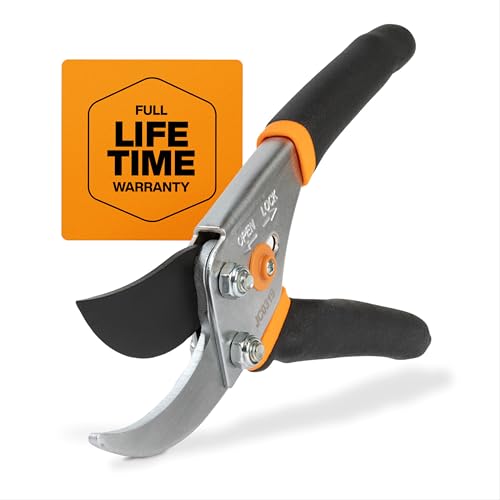
    Fiskars Bypass Pruning Shears, 5/8" Cut Capacity Gardening Scissors, Self-Cleaning Sap Groove Prevents Sticking, Non-Slip Grip for Cutting Stems & Branches, Sharp Steel Blades w/ Low-Friction Coating
    Fiskars Bypass Pruning Shears, 5/8" Cut Capacity Gardening Scissors, Self-Cleaning Sap Groove Prevents Sticking, Non-Slip Grip for Cutting Stems & Branches, Sharp Steel Blades w/ Low-Friction Coating

    CLEAN CUTS FOR LIVE GROWTH: Bypass blade design is ideal for pruning delicate flower stems and green growth, helping reduce crushing and plant damage while cutting stems and small branches up to 5/8” in diameter

    VIEW LATEST PRICE

    As an affiliate, we earn on qualifying purchases.

    DECERK® 8.5" Professional Pruning Shears - Cuts 4X Easier with Ultra Sharp Japanese Steel Titanium Blade, Arthritis Friendly Garden Scissors & Plant Clippers, Effortlessly Prunes 3/4" Branches
    DECERK® 8.5" Professional Pruning Shears - Cuts 4X Easier with Ultra Sharp Japanese Steel Titanium Blade, Arthritis Friendly Garden Scissors & Plant Clippers, Effortlessly Prunes 3/4" Branches

    Unbreakable sharpness! Japanese SK5 steel blade with titanium coating endures 100,000 cuts. Built for lifelong clean cuts

    MUST READ
    How to Make Guava Tree Bear Fruit: Essential Tips for Healthy Growth and Abundant Yields
    VIEW LATEST PRICE

    As an affiliate, we earn on qualifying purchases.

    2-Pack Stainless Steel Gardening Scissors, Pruning Shears and Clippers for Gardening
    2-Pack Stainless Steel Gardening Scissors, Pruning Shears and Clippers for Gardening

    DUAL CUTTING POWER: VERSATILE PRUNING COMBO --- With both Pruning Shears and Pruning Snip, this combo delivers unmatched versatility. Whether you're delicately trimming flowers and shrubs, tackling thicker tree branches, or tending to your vegetable and fruit garden, our combo pack excels in all areas. They're also perfect for landscaping projects and maintaining the health and appearance of indoor plants. With this pack, you have a versatile tool that simplifies your gardening tasks.

    VIEW LATEST PRICE

    As an affiliate, we earn on qualifying purchases.

    Pruning Techniques

    Pruning is crucial for promoting healthy growth and fruiting. Begin pruning in late winter or early spring, just before new growth starts. Aim to remove dead, damaged, or overcrowded branches. This increases air circulation and sunlight penetration, which are essential for healthier fruit production.

    • Thin the Canopy: Remove some branches from the center of the tree. It helps sunlight reach more leaves and encourages fruit formation.
    • Shape the Tree: Maintain a vase-like shape. This design maximizes light exposure and eases harvesting.
    • Shorten Long Branches: Cutting back long branches encourages bushier growth, providing more fruiting sites.
    • Monitor for Suckers: Regularly check for suckers (shoots growing from the base) and remove them promptly. They rob nutrients from the main tree.

    Disease Prevention

    Preventing diseases is vital for maintaining olive trees. Implementing proactive measures minimizes risks and ensures healthy yields.

    • Choose Resistant Varieties: Some olive tree varieties resist specific diseases. Select cultivars known for their durability in your local climate.
    • Maintain Proper Spacing: Ensure adequate distance between trees. Proper spacing improves air circulation, reducing the chance of fungal infections.
    • Water Wisely: Avoid overwatering. Soggy soil encourages root rot, a common olive tree problem. Water deeply but infrequently, allowing the soil to dry between watering sessions.
    • Inspect Regularly: Monitor for signs of pests or disease. Look for discolored leaves, unusual growths, or insects. Early detection allows for quicker treatment.
    • Use Organic Treatments: Employ organic fungicides or insecticides as needed. These options help manage issues while keeping your trees healthy and productive.
    MUST READ
    How to Make a Fruit Tree for a Party: Step-by-Step Guide to a Stunning Centerpiece

    By incorporating these maintenance practices, you ensure your olive trees remain robust and yield fruit efficiently throughout their lifespan.

    Conclusion

    Growing olive trees can be a rewarding journey that requires patience and care. With the right conditions and maintenance practices you can enjoy the fruits of your labor for decades. Remember that every tree is unique and may take a little longer to bear fruit depending on the variety and environment.

    By understanding the growth phases and being proactive with pruning and disease prevention you’ll set yourself up for success. Whether you’re a seasoned gardener or just starting out your olive tree adventure can bring joy and delicious rewards for many years to come. Happy gardening!

    Frequently Asked Questions

    How long does it take for olive trees to bear fruit?

    Olive trees typically start producing fruit after 3 to 5 years of age. However, the exact timing can vary based on factors like tree variety and cultivation methods.

    What factors influence olive fruit production?

    Key factors include the olive tree variety, growing conditions such as sunlight and soil quality, watering practices, regular pruning, and fertilization.

    What are the best olive tree varieties for beginners?

    Popular beginner-friendly varieties include Manzanilla, Kalamata, and Arbequina, each known for their adaptability and quality of fruit.

    How can I improve the yield of my olive trees?

    To maximize yield, provide adequate sunlight, maintain proper watering and fertilization, and implement consistent pruning practices.

    What maintenance do olive trees require?

    Essential maintenance includes regular watering, annual fertilization, and pruning in late winter or early spring to promote healthy growth and fruiting.

    Can olive trees live for a long time?

    Yes, olive trees can live for 50 to 100 years or more. With proper care, they can continue to produce fruit throughout their long lifespan.

    What is alternate bearing in olive trees?

    Alternate bearing refers to the natural cycle of heavy fruit production one year, followed by lighter yields the next. This is common in many olive tree varieties.

    Share. Facebook Twitter Pinterest LinkedIn Tumblr Email
    martha jackson
    Martha Jackson

      Martha Jackson is an accomplished freelance writer and editor with a strong interest in gardening. With a degree in English from the University of California, Berkeley, Martha has over 15 years of experience writing for a variety of publications. She is passionate about making gardening accessible to all and is always seeking out new techniques and innovations.

      Related Posts

      How Long Until Avocado Trees Bear Fruit and Tips for Faster Growth at Home

      February 20, 2025

      What Yellow Fruit Grows on Trees and Their Delicious Health Benefits

      February 20, 2025

      How to Air Layer Fruit Trees: A Step-by-Step Guide for Successful Propagation

      February 20, 2025

      When Do Grapefruit Trees Produce Fruit and How to Maximize Your Harvest

      February 20, 2025

      What Is a Fast Growing Fruit Tree: Discover Quick-Yield Options for Your Garden

      February 20, 2025

      Do Cherry Blossom Trees Have Fruit? Discover the Truth About Their Edibility and Benefits

      February 20, 2025
      Leave A Reply Cancel Reply

      Affiliate Disclosure

      As an Amazon Associate I earn from qualifying purchases.

      Recommended Reading

      Can You Eat the Fruit from a Palm Tree and What You Need to Know for Safe Enjoyment

      Plum Trees in a Pot in Ohio (Buckeye State Growth Manual)

      Where to Buy Dwarf Fruit Trees: Top Retailers for Your Space-Saving Garden

      When Is the Best Time to Cut Back Your Grapefruit Tree for Maximum Health and Yield

      Can You Plant Fruit Trees in Pots for a Bountiful Harvest in Small Spaces

      When to Prune Everbearing Raspberries: A Guide for Optimal Harvest Yields

      Do You Need 2 Cherry Trees to Produce Fruit: Maximizing Your Cherry Harvest and Growing Tips

      Star Fruit Trees in Georgia: Secrets to a Better Harvest

      Discover the Best Fruit Trees for Kansas: Tips for Thriving Orchards

      Why Do Leaves Keep Falling Off My Tangerine Tree? Understanding Causes & Solutions

      Fruit Tree Hub

      Fruit Tree Hub is a website dedicated to providing you everything you need to grow fruit trees successfully at in your own yard.

      Contact us at: [email protected]

      - AFFILIATE DISCLOSURE: As an Amazon Associate I earn from qualifying purchases.

      Latest Posts

      Growing Nectarine Trees in Hawaii (Tropical Harvest Secrets)

      Lime Trees in Baton Rouge, LA: Southern Growing Secrets

      Peach Trees in a Pot in Mississippi: Deep South Growth Tips

      Fig Trees in Arizona (Tips for Surviving Desert Heat)

      How to Grow Grapefruit Trees in Arlington, TX: Local Guide

      Fig Trees in Tucson, AZ: Desert Success and Irrigation

      Grapefruit Trees in Colorado Springs, CO: Mountain Advice

      Guava Trees in Pennsylvania (Keystone State Growing Tips)

      Categories
      • Almond Trees
      • Apple Trees
      • Apricot Trees
      • Best Fruit Trees
      • Blackberry
      • Cantaloupe
      • Cherry Trees
      • Crochet Ideas
      • Crochet Ideas for Beginners
      • Cucamelon
      • Easy Crochet Ideas
      • Easy Knitting Projects
      • Fig Trees
      • Grapefruit Trees
      • Grapes
      • Guava Trees
      • Honeydew
      • Jujube Trees
      • Kiwi
      • Knitting For Beginners
      • Knitting Ideas
      • Knitting Inspiration
      • Lemon Trees
      • Lime Trees
      • Loquat Trees
      • Mango Trees
      • Mulberry Trees
      • Nectarine Trees
      • Olive Trees
      • Orange Trees
      • Papaya Trees
      • Peach Trees
      • Pear Trees
      • Persimmon Trees
      • Planting
      • Plum Trees
      • Pomegranate Trees
      • Quince Trees
      • Raspberry
      • Reviews
      • Small Crochet Ideas
      • Star Fruit Trees
      • Summer Crochet Ideas
      • Tamarind Trees
      • Tangerine Trees
      • Tips and Advice
      • Tools
      • Uncategorized
      • Walnut Trees
      © 2026 Fruit Tree Hub
      • Home
      • About Us
      • Contact
      • Privacy Policy
      • Terms and Conditions
      • Disclaimer
      • Editorial Policy
      • Affiliate Disclosure

      Type above and press Enter to search. Press Esc to cancel.