

Ever wondered how long it takes for a mango tree to bear fruit? If you’ve planted one or are thinking about it, you’re not alone. Many people dream of enjoying fresh mangoes from their own backyard but often feel uncertain about the wait.
Key Takeaways
- Maturity Timeline: Grafted mango trees typically bear fruit in 3-5 years, while seed-grown varieties take longer, around 5-8 years.
- Optimal Conditions: Mango trees thrive in warm climates (70°F to 100°F) and require well-drained, nutrient-rich soil, full sunlight (6-8 hours daily), and consistent watering.
- Variety Selection: Choosing the right mango variety for your climate is essential; popular grafted options like Haden and Tommy Atkins mature faster than others.
- Care Practices: Regular watering, proper fertilization, and effective pest management are crucial for healthy growth and fruitful harvests.
- Environmental Factors: Temperature fluctuations, humidity levels, and stress can significantly impact blooming and fruit production.
- Patience and Care: With the right practices and a little patience, your mango tree can reward you with delicious fruits in just a few years.
Overview of Mango Trees
Mango trees (Mangifera indica) thrive in warm climates, requiring temperatures between 70°F and 100°F. Grown primarily in tropical and subtropical regions, these trees prefer well-drained soil enriched with organic matter.
Mango trees exhibit a growth pattern that influences the timeline for fruiting. Typically, they reach maturity after approximately three to five years when grown from grafted varieties. Seed-grown trees may take longer, achieving fruiting in five to eight years.
When planting a mango tree, select a suitable variety based on your climate and space. Bushy dwarf varieties suit smaller yards, while larger selections, like the Haden or Tommy Atkins, need ample room for growth.
Mango trees require regular watering, especially during dry spells. Young trees thrive with weekly watering, while mature trees perform well with deep watering every two to three weeks. Fertilization also supports healthy growth; use a nitrogen-rich fertilizer every few months during the growing season.
Factors that affect fruit production include pruning, pest management, and pollination. Proper pruning helps enhance air circulation and light penetration, promoting healthier fruit. Protect trees from pests like mango weevils and aphids by regularly inspecting leaves and using organic pesticides when necessary.
Factors such as temperature fluctuations, humidity, and tree stress can impact blooming and fruit set. To encourage fruiting, maintain a consistent watering routine and avoid over-fertilizing.
While anticipating your mango tree’s first fruits, understanding these factors helps you ensure a bountiful harvest. With patience and proper care, your mango tree can reward you with juicy, delicious fruit in just a few years.
Factors Influencing Fruiting Time
Several factors can affect how long it takes for your mango tree to bear fruit. Understanding these elements helps you maximize your chances of a fruitful harvest.
Recommended Products
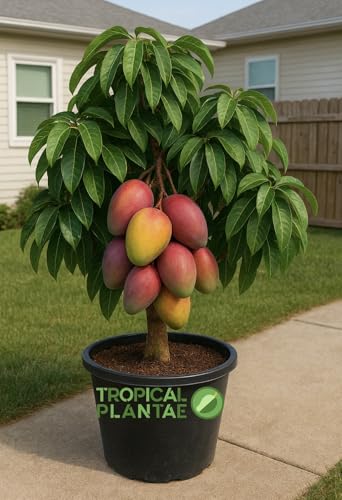
Imagine stepping into your backyard a few months from now and seeing a beautiful grafted Haden mango tree, growing stronger every day — a tree that will soon reward you with one of the most classic, flavorful mangoes ever grown.

Imagine stepping into your backyard and seeing a mango tree that grows neatly, looks elegant, and brings a sense of tropical calm to your space. That’s the experience a Grafted Ataulfo (Honey) Mango Tree creates over time.
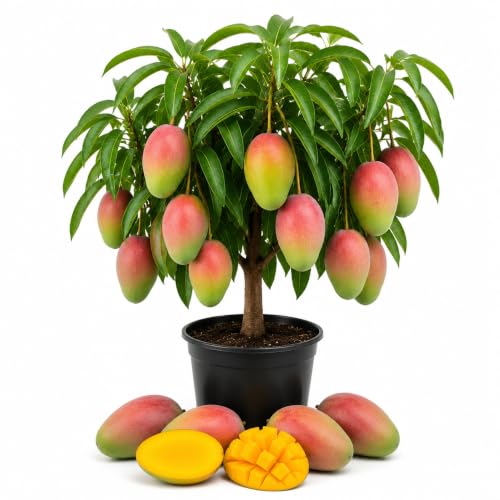
Tree Variety
Tree variety significantly impacts fruiting time. Grafted mango trees typically mature faster than seed-grown trees. For example, popular grafted varieties like Haden and Tommy Atkins may start producing fruit in about three to four years. In contrast, seed-grown varieties can take five to eight years before they bear fruit. Choosing a compatible variety for your climate enhances growth and fruiting potential.
Growing Conditions
Growing conditions play a crucial role in fruit yield. Factors such as soil quality, sunlight, water, and temperature significantly influence the tree’s health.
- Soil Quality: Use well-drained, nutrient-rich soil to promote strong roots. Testing soil pH may reveal nutrient deficiencies that affect growth.
- Sunlight: Ensure your mango tree gets full sunlight, around six to eight hours daily. Insufficient sunlight delays maturity and fruiting.
- Watering: Water your tree consistently, especially during dry spells. Overwatering can lead to root rot, while underwatering can stress the tree.
- Temperature: Mango trees thrive in temperatures between 70°F and 100°F. Extreme temperatures can disrupt flowering and fruit development.
By optimizing these factors, you can create a favorable environment for your mango tree to flourish and produce fruit in a timely manner.
Typical Timeframe for Fruiting
Mango trees require specific conditions and timeframes to produce fruit. Understanding these factors can help you manage your expectations and care for your tree accordingly.
Recommended Products

Grafted Mango Tree, showcasing the Mahachanok variety, is an excellent addition to any garden or landscape. This carefully grafted tree offers the delightful taste and quality of Mahachanok mangoes, known for their sweet, tangy, and tropical flavor.

Imagine stepping into your backyard and seeing a healthy mango tree that isn’t just decorative, but working for you—growing, maturing, and moving you closer to harvesting your own premium mangos. That’s exactly what this Grafted Palmer Mango Tree offers.

The Ivory Mango Tree, a grafted variety of Mangifera indica, is a highly sought-after tropical fruit tree known for its unique elongated fruit, creamy texture, and exceptional flavor. This premium mango variety is native to Southeast Asia and has become a favorite among mango enthusiasts worldwide. Its grafted nature ensures reliable fruit quality, early fruiting, and adaptability, making it an excellent choice for home gardens and orchards.
Seed Grown Trees
Seed-grown mango trees often take longer to fruit. Typically, you can expect them to start producing mangoes within five to eight years. This timeframe can vary based on the tree’s genetics and growing conditions. For example, trees started from seeds of hybrid mangoes might fruit sooner than those from common seed varieties. Providing optimal care, including regular watering and nutrient-rich soil, encourages earlier fruit production.
Grafted Trees
Grafted mango trees usually bear fruit sooner than seed-grown ones. Generally, they start producing in three to five years. Grafted varieties like Haden and Tommy Atkins often show impressive results within this period. Ensuring that your grafted tree receives ample sunlight, consistent moisture, and appropriate fertilizers significantly enhances fruiting potential. If you select the right variety for your climate and care for it properly, you’ll enjoy fresh mangoes much sooner.
Ensuring Healthy Growth
To ensure your mango tree thrives and produces abundant fruit, focus on specific care practices that cater to its needs.
Recommended Products

Comes in 5 lb. bag of granules

Let our professionally formulated plant food help your fruit tree grow healthy, strong AND abundantly producing

Let our professionally formulated plant food help your fruit tree grow healthy, strong AND abundantly producing
Soil Requirements
Healthy soil is crucial for mango tree growth. Use well-drained, sandy loam or loamy soil rich in organic matter. Aim for a soil pH between 5.5 and 7.5. If your soil is heavy clay, mix in compost or sand to improve drainage. Regular soil testing helps you monitor nutrient levels. If deficiencies occur, incorporate organic fertilizers like compost or aged manure.
Watering and Fertilization
Water your mango tree consistently, especially during the first few years. Aim for one to two inches of water weekly, adjusting based on rainfall. Avoid waterlogging, as mango trees prefer slightly dry conditions between waterings.
Fertilize four times a year using a balanced fertilizer high in potassium, phosphorus, and nitrogen. Apply in early spring, late spring, summer, and early fall. This schedule supports healthy growth and encourages fruit development. Consider adding mulching around the base to retain moisture and suppress weeds.
Conclusion
Growing a mango tree is a rewarding journey that requires patience and care. Whether you’ve chosen a grafted variety or a seed-grown tree you’ll be eagerly awaiting those delicious mangoes. By providing the right conditions and regular maintenance you can help your tree thrive and fruit sooner.
Remember to keep an eye on soil quality sunlight and watering needs. With a little love and attention your mango tree will soon be on its way to producing the juicy fruits you’ve been dreaming of. Enjoy the process and look forward to your own backyard harvest!
Frequently Asked Questions
How long does it take for a mango tree to bear fruit?
Grafted mango trees typically begin to bear fruit within three to five years after planting. In contrast, seed-grown mango trees may take longer, usually about five to eight years to produce their first fruits.
What conditions do mango trees need to grow?
Mango trees thrive in warm climates with temperatures between 70°F and 100°F. They prefer well-drained, organic-rich soil, optimal sunlight, and consistent moisture to grow healthily and yield fruit.
What are the best varieties of mango trees?
Popular varieties that produce fruit quickly include grafted types like Haden and Tommy Atkins, which often begin fruiting in about three to four years. Choose based on climate and available space for the best results.
How often should I water my mango tree?
Mango trees require consistent watering, especially during their first few years. Aim for about one to two inches of water per week, ensuring the soil is moist but avoiding waterlogging.
What type of soil is best for mango trees?
Mango trees prefer well-drained sandy loam or loamy soil that is rich in organic matter. The ideal soil pH is between 5.5 and 7.5 for optimal growth and fruit production.
How can I manage pests in my mango tree?
Regular monitoring for pests is crucial in managing a mango tree’s health. Utilize organic pesticides or natural pest control methods and maintain good garden hygiene to keep pests in check.
