

Have you ever planted a citrus tree and wondered when you’d finally get to enjoy those juicy fruits? You’re not alone. Many gardeners eagerly anticipate the day their trees start to bear fruit, but the waiting game can be frustrating.
Understanding how long it takes for citrus trees to produce fruit can help manage your expectations and guide your care routine. In this article, you’ll discover the factors that influence fruiting time and tips to encourage your tree to thrive. Soon enough, you’ll be well on your way to savoring the fruits of your labor.
Key Takeaways
- Citrus Tree Varieties: Different citrus trees have varying fruit-bearing timelines, with limes typically producing in 2-3 years, while lemons take 3-6 years, and oranges and grapefruits generally range from 3-6 years.
- Impact of Growing Conditions: Optimal growing conditions, such as warm climate, well-draining soil, adequate sunlight, and proper watering, are crucial for successful fruit production in citrus trees.
- Pruning Practices: Proper pruning during late winter or early spring can promote healthy growth and enhance fruit yield by increasing air circulation and sunlight penetration.
- Fertilization Strategy: Regular feeding with a balanced fertilizer and improving soil quality through organic matter can significantly support fruit production and overall tree health.
- Signs of Fruiting: Key indicators that your citrus tree is ready to bear fruit include flowering stages, presence of fruitlets, and the health of the leaves, which should be vibrant and lush.
Factors Influencing Citrus Tree Fruit Bearing
Several key factors influence how long it takes for citrus trees to bear fruit. Understanding these elements can enhance your success in growing these trees.
Recommended Products

Package contains 4 Pounds organic fruit and citrus fertilizer grains and is produced to avoid wasteful runoff, mess, hazards and smells
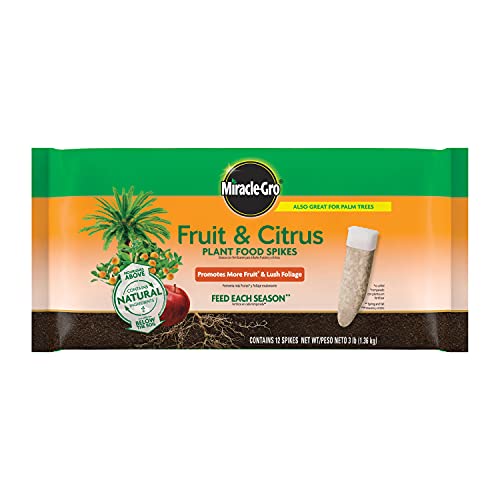
FORMULATED FOR CITRUS AND FRUIT TREES: Use these citrus fertilizer spikes on apple, orange, lemon, lime, and avocado trees; this formula is also great for feeding palm trees

FOR USE ON: Use Citrus-tone organic fertilizer for all citrus trees, including lemon, lime, orange, Meyer Lemon Trees as well as for avocado & nut trees
Tree Variety
Tree variety affects fruit-bearing timeline significantly. Different citrus varieties mature at varying rates. For example:
- Lemon Trees: Typically take 3 to 6 years before producing fruit.
- Orange Trees: Often bear fruit in 3 to 5 years.
- Grapefruit Trees: Usually take 4 to 6 years.
- Lime Trees: Can produce fruit as early as 2 to 3 years after planting.
Choosing the right variety aligns with your expectations for fruit-bearing times.
Growing Conditions
Growing conditions play a crucial role in determining when citrus trees bear fruit. Important aspects include:
- Climate: Citrus trees thrive in warm climates. Regions with frost can delay fruit production. Ideal temperatures range from 70°F to 100°F.
- Soil Quality: Well-draining, loamy soil helps support healthy growth and fruit production. Soil pH between 6.0 and 7.5 is optimal for citrus trees.
- Watering: Consistent and appropriate watering leads to better fruit yields. Overwatering or underwatering can hinder flowering and fruit set.
- Sunlight: Citrus trees require full sun, ideally 6 to 8 hours daily. Insufficient sunlight may delay maturation and fruiting.
- Nutrient Supply: Regular fertilization promotes healthy growth. Provide a balanced fertilizer in the spring for best results.
Maintaining the right growing conditions fosters the healthy development of your citrus trees, leading to fruitful yields.
Typical Timeframes for Different Citrus Varieties
Understanding the timeframes for citrus varieties helps manage expectations for fruit production. Each type of citrus tree has its specific timeframe for bearing fruit.
Oranges
Orange trees take about 3 to 5 years to produce fruit. Varieties like Navel and Valencia may mature faster under optimal conditions. Proper care, including sufficient sunlight and well-drained soil, promotes healthy growth and fruiting.
Lemons
Lemon trees generally bear fruit within 3 to 6 years. Varieties like Eureka can produce sooner than others, sometimes yielding fruit as early as 3 years. Regular watering and nutrient-rich soil can enhance fruit production.
Limes
Lime trees typically bear fruit in just 2 to 3 years. Varieties such as Persian limes often mature quickly. Ensure proper lighting and watering for the best yields. Avoid over-fertilizing, as this can delay fruiting.
Best Practices for Encouraging Fruit Production
Encouraging citrus trees to bear fruit involves a few essential practices. Attention to pruning and soil care significantly enhances your tree’s productivity.
Proper Pruning Techniques
Pruning your citrus trees promotes healthy growth and fruit production. Follow these tips:
- Timing: Prune during late winter or early spring. This timing minimizes stress and maximizes growth.
- Remove Dead Wood: Cut away any dead or diseased branches. This action encourages new growth.
- Thin Out Crowded Areas: Trim back branches that are too close together. This increases air circulation and sunlight penetration.
- Shape the Canopy: Aim for an open, vase-like shape. This structure helps light reach more leaves, promoting better fruit set.
Focusing on these pruning techniques helps your citrus trees thrive and become more productive.
Fertilization and Soil Quality
Fertilization and soil quality play vital roles in fruit production. Consider the following practices:
- Soil Testing: Test your soil to determine pH and nutrient levels. Citrus trees prefer slightly acidic conditions, around pH 6.0 to 7.0.
- Organic Matter: Add organic matter, like compost, to improve soil fertility and structure.
- Balanced Fertilizers: Use a balanced fertilizer specifically formulated for citrus trees. Look for a ratio like 8-8-8 or 10-10-10.
- Regular Feeding: Fertilize your trees three times a year: in early spring, mid-summer, and late summer. This schedule provides consistent nutrients during critical growth periods.
By prioritizing soil health and utilizing proper fertilizers, you create an optimal environment for citrus fruit production.
Signs That Your Citrus Tree Is Ready to Fruit
Observing your citrus tree closely reveals several signs that indicate it’s ready to bear fruit. Recognizing these signs helps you anticipate the exciting fruiting phase.
Flowering Stages
Citrus trees progress through distinct flowering stages before fruiting. Initially, you’ll notice small buds forming on the branches. These buds then develop into white or pink flowers, which can be fragrant. Flowers usually appear in clusters, attracting pollinators like bees. Once pollinated, the flowers drop, leaving behind tiny fruitlets. If your tree produces an abundant number of flowers, it’s a good sign of potential fruit development.
Fruit Development Indicators
Watch for specific indicators that signal fruit is on its way. You may see small fruitlets appearing shortly after flowering. As these fruitlets grow, they start to swell and change color—green fruitlets will eventually transition to yellow or orange, depending on the variety. Additionally, check the tree’s leaf health; healthy, vibrant leaves support fruit development. Leaves should be lush and dark green, indicating your tree receives proper nutrients. Consistent watering and adequate sunlight also contribute positively to fruit growth.
By monitoring these signs, you can gauge when to expect a harvest from your citrus tree.
Conclusion
Growing citrus trees is a rewarding journey that requires patience and care. While it might take a few years for your trees to start producing fruit you can enjoy the process of nurturing them along the way.
By understanding the specific needs of your citrus variety and providing the right conditions you can set the stage for a fruitful harvest. Keep an eye on the signs of fruit development and remember that every tree has its own timeline.
With dedication and the right practices you’ll soon be savoring the delicious fruits of your labor. Happy gardening!
Frequently Asked Questions
How long does it take for citrus trees to bear fruit?
Citrus trees vary in their fruit-bearing timelines. Lemon trees typically take 3 to 6 years, orange trees 3 to 5 years, grapefruit trees 4 to 6 years, and lime trees can bear fruit as early as 2 to 3 years, depending on the variety and growing conditions.
What factors influence when citrus trees produce fruit?
Several factors affect when citrus trees bear fruit, including the tree variety, climate, soil quality, watering, sunlight, and nutrient supply. Optimizing these conditions can lead to better fruit production.
What is the best care for citrus trees?
To ensure optimal growth and fruiting, provide adequate sunlight, well-drained soil, regular watering, and avoid over-fertilization. Proper care supports the tree’s health and productivity.
When should I prune my citrus trees?
Prune your citrus trees during late winter or early spring. This timing minimizes stress and allows for better light exposure and air circulation, promoting healthier growth and fruiting.
How can I tell if my citrus tree is ready to bear fruit?
Look for flowering stages, starting with small buds that develop into fragrant flowers. After pollination, tiny fruitlets will appear. Healthy, dark green leaves and consistent watering also signify readiness for fruit production.
