

Are you wondering when to prune your nectarine tree for optimal growth and fruit production? Picture this: you’re in your garden, admiring the lush foliage of your nectarine tree, but unsure about the right time to prune it. You’re not alone in facing this common dilemma. Knowing the best time to prune your nectarine tree is key to ensuring a bountiful harvest and maintaining its health.
In this article, you’ll discover the essential tips for pruning your nectarine tree at the perfect time. By understanding the pruning techniques and timing, you’ll set your tree up for success, leading to healthier growth and abundant fruit yields. Stay tuned to learn how to enhance the overall well-being of your nectarine tree through proper pruning practices.
Key Takeaways
- Pruning nectarine trees enhances fruit quality and quantity by redirecting the tree’s energy towards fruit production.
- Regular pruning supports tree health and longevity by eliminating diseased, damaged, or dead branches that can harbor pests and diseases.
- Pruning encourages new growth and vigorous branches, promoting the development of strong lateral branches for supporting heavy fruit loads.
- The best time to prune a nectarine tree is during the dormant season in late winter or early spring to prevent stimulating new growth that may be damaged by frost.
- Proper pruning techniques involve gathering the right tools, identifying dead and diseased branches, thinning out excessive growth, maintaining an open center shape, and making clean cuts for quick healing.
Importance of Pruning Nectarine Trees
Pruning nectarine trees is essential for optimal growth and fruit production. Understanding the significance of pruning helps ensure a bountiful harvest and maintains the tree’s health. Proper pruning techniques and timing promote healthier growth and abundant fruit yields. Here’s why pruning is crucial for your nectarine tree:
Enhances Fruit Quality and Quantity
Pruning nectarine trees helps redirect the tree’s energy towards fruit production, resulting in larger and sweeter nectarines. By removing excess branches and buds, you allow the tree to focus its resources on developing high-quality fruits. Additionally, pruning helps prevent overcrowding of branches, ensuring better air circulation and sunlight exposure for each fruit, leading to a higher yield.
Supports Tree Health and Longevity
Regular pruning eliminates diseased, damaged, or dead branches that can harbor pests and diseases. By cutting these parts, you reduce the risk of infections spreading to healthy areas of the tree. Removing weak or crossing branches also improves the overall structure of the tree, preventing breakage under the weight of fruit or harsh weather conditions. A well-pruned nectarine tree is healthier, more resilient, and can live longer, providing you with delicious fruits for years to come.
Encourages New Growth and Vigorous Branches
Pruning stimulates the growth of new shoots and branches by invigorating the tree’s natural regenerative processes. Selective pruning can promote the development of strong lateral branches, which are crucial for supporting heavy fruit loads. By shaping the tree through pruning, you help it maintain a balanced structure and encourage a steady supply of fresh growth for future fruiting seasons.
Timing is Key
Knowing when to prune your nectarine tree is vital for its overall well-being. The best time to prune is during the tree’s dormant season in late winter or early spring. Avoid pruning in fall or late summer to prevent stimulating new growth that may be damaged by frost. Early pruning also allows the tree to heal quickly before the growing season begins, reducing the risk of infections.
Conclusion
Pruning your nectarine tree at the right time and with proper techniques is essential for maximizing fruit quality, tree health, and longevity. By understanding the importance of pruning and following best practices, you can ensure a thriving nectarine tree that rewards you with plentiful, delicious fruits.
Best Time to Prune a Nectarine Tree
When it comes to pruning your nectarine tree, timing is crucial for its health and productivity. The dormant season, which typically occurs in late winter to early spring, is the best time to prune your nectarine tree. During this period, the tree is not actively growing, making it less susceptible to stress and damage from pruning.
Pruning during the dormant season offers several benefits. Firstly, it allows the tree to focus its energy on healing and new growth once the growing season begins. By removing dead, damaged, or diseased branches during this time, you can promote the tree’s overall health and vigor.
Additionally, pruning during the dormant season helps improve the tree’s structure and shape. You can shape the tree to encourage better sun exposure to all parts of the tree, leading to more uniform fruit ripening and reducing the risk of disease.
If you prune your nectarine tree during the growing season, it can result in excessive sap flow, making the tree more vulnerable to infections and diseases. Pruning during this time can also reduce the tree’s ability to produce fruit, as it expends energy on healing instead of fruit development.
Remember, each tree is unique, so it’s essential to assess your nectarine tree’s specific needs before pruning. By following the best practices and timing your pruning correctly, you can ensure your nectarine tree remains healthy, productive, and produces delicious fruit for years to come.
How to Properly Prune a Nectarine Tree
When it comes to pruning your nectarine tree, following proper techniques and timing is essential. Proper pruning helps maintain tree health, promotes fruit production, and ensures longevity. Here are some practical steps to help you prune your nectarine tree effectively:
Recommended Products

✂Multifunctional -2 in 1 Garden Grafting Tools-Professional grafting set allows you to pruning and grafting at the same time, saving more time and effort than traditional grafting methods, easy to use and more efficient. It allows you to trim away excess leaves and twigs and prepare the plants to be grafted. At the same time, you can make a precise cut into the grafting stock with the special grafting blade.
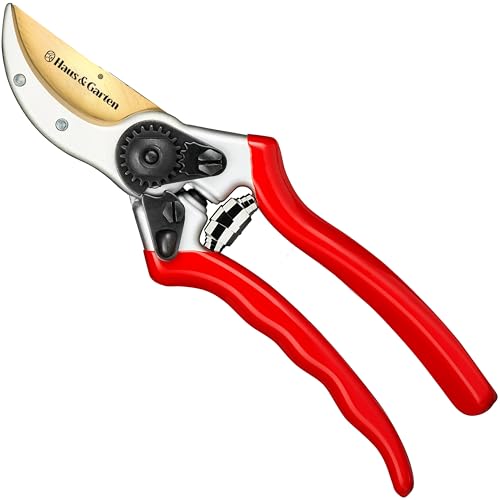
Sharp, Clean Cuts Every Time – Engineered from Japanese grade, high-carbon steel, ClassicPRO bypass pruning shears for gardening stay sharp and make precise cuts that encourage healthy growth and won’t damage your plants

★ 1. What you get: Professional convenient grafting tool set including a dual-use grafting pruner tool contain 2 extra replaceable blades, a wrench and a screwdriver, along with 36pcs wide rubber bands, 150 thick rubber bands and 1 grafting tape, packed in a black wallet to meet all your needs
1. Gather the Right Tools
Start by ensuring you have the necessary tools for pruning, including sharp bypass pruners, loppers for thicker branches, and pruning saw for larger cuts. Clean and sterilize your tools to prevent the spread of diseases between cuts.
2. Identify Dead and Diseased Branches
Inspect your nectarine tree and identify any dead, damaged, or diseased branches. These should be pruned first to prevent the spread of infections and to allow the tree to focus its energy on healthy growth.
3. Remove Water Sprouts and Suckers
Water sprouts and suckers are vigorous, non-fruit-bearing branches that compete with productive branches for nutrients. Remove these to redirect the tree’s energy into fruit production.
4. Thin Out Excessive Growth
Thinning out excessive growth helps improve air circulation and sunlight penetration throughout the tree canopy. This practice reduces the risk of fungal diseases and promotes even fruit ripening.
5. Maintain an Open Center Shape
Encourage an open center shape in your nectarine tree to allow sunlight to reach all parts of the tree. This shape enhances fruit quality, promotes uniform ripening, and aids in disease prevention.
6. Prune During Dormant Season
Pruning during the dormant season, typically in late winter to early spring, is ideal for nectarine trees. Avoid pruning during the growing season as it can stress the tree and reduce fruit production.
7. Make Clean Cuts
When making cuts, ensure they are clean and angled properly to promote quick healing. Cut just above a bud or lateral branch to encourage new growth in the right direction.
Signs that Indicate the Need for Pruning
Pruning your nectarine tree is crucial for its overall health and fruit production. Identifying the signs that indicate the need for pruning can help you maintain a thriving tree. Here are key indicators that it’s time to prune your nectarine tree:
- Overgrown Branches:
- Look for branches that have become excessively long or crowded. These branches may hinder sunlight penetration and air circulation, impacting fruit development.
- Diseased or Damaged Branches:
- Check for branches that show signs of disease, such as discoloration, lesions, or mold. Additionally, look for branches that are broken or split, as they can pose a risk to the tree’s health.
- Water Sprouts and Suckers:
- Remove water sprouts, which are vigorous vertical shoots growing on branches, as they divert energy from fruit production. Suckers, shoots emerging from the tree’s base, should also be pruned to maintain the tree’s shape.
- Crossing or Rubbing Branches:
- Branches that cross or rub against each other can cause wounds, leading to disease entry points. Pruning these branches prevents potential damage and promotes tree health.
- Excessive Growth:
- Thin out areas with excessive growth to improve air circulation and light exposure within the tree canopy. This helps optimize fruit production and reduces the risk of disease.
Recognizing these signs is essential for determining when to prune your nectarine tree. Regular pruning according to these indicators ensures a healthy, well-shaped tree that yields delicious nectarines season after season.
Common Mistakes to Avoid When Pruning
When it comes to pruning your nectarine tree, there are some common mistakes that you should be aware of and avoid to ensure the health and productivity of your tree. Here are some key pitfalls to steer clear of:
Pruning at the Wrong Time
Pruning your nectarine tree at the wrong time, such as in late summer or early fall, can stress the tree and affect its ability to bear fruit. It’s best to prune during the tree’s dormant season in late winter to early spring to promote healthy growth and fruit production.
Over-Pruning
Over-pruning, or cutting off more than a third of the tree’s canopy, can weaken the tree and reduce fruiting potential. It’s crucial to maintain a balance and avoid excessive pruning to ensure the tree’s vigor and productivity.
Incorrect Pruning Cuts
Making improper pruning cuts, such as leaving stubs or cutting too close to the trunk, can lead to disease or decay. Always make clean cuts at the correct angle just above a bud or branch collar to promote healing and prevent damage to your tree.
Neglecting Tools Maintenance
Using dull or dirty pruning tools can damage the tree and introduce infections. Keep your tools sharp and clean to make precise cuts that promote the tree’s health and prevent the spread of diseases.
Ignoring Tree Health
Neglecting to assess the overall health of your nectarine tree before pruning can be a critical mistake. Always check for signs of disease, pest infestations, or stress before pruning to address any issues that could affect the tree’s growth and fruit production.
Removing Too Many Fruit-Bearing Branches
Pruning off too many branches that bear fruit can reduce your harvest. Be selective in pruning and focus on removing dead, damaged, or crossing branches while preserving the ones that will yield healthy fruit.
By avoiding these common pruning mistakes, you can help your nectarine tree thrive, produce bountiful fruit, and maintain its overall health for years to come.
Conclusion
Pruning your nectarine tree is key to its growth, fruit production, and overall well-being. By redirecting energy, removing diseased branches, and encouraging new growth, you set the stage for bountiful harvests in the future. Remember, proper techniques like identifying dead branches and maintaining an open center shape are essential. Avoid common mistakes such as pruning at the wrong time, over-pruning, and neglecting tool maintenance to ensure your tree’s longevity. With the right care, your nectarine tree will flourish, providing you with delicious fruit and a healthy tree for years to come.
Frequently Asked Questions
When is the best time to prune nectarine trees?
It is best to prune nectarine trees during late winter or early spring before new growth begins.
How does pruning benefit nectarine trees?
Pruning helps redirect the tree’s energy, promotes growth, removes diseased branches, and stimulates new growth for future fruit production.
What shape should I maintain when pruning nectarine trees?
Maintain an open center shape to allow sunlight and air circulation, essential for fruit development and disease prevention.
What are common pruning mistakes to avoid?
Avoid pruning at the wrong time, over-pruning, making incorrect cuts, neglecting tool maintenance, ignoring tree health, and removing too many fruit-bearing branches.
How can proper pruning help nectarine trees in the long term?
Proper pruning techniques can help nectarine trees thrive, yield abundant fruit, and remain healthy for many growing seasons.
