

Growing olive trees in pots in South Carolina is feasible with the right techniques. These trees thrive in warm climates but require specific care to flourish in containers.
Container-Suitable Olive Tree Varieties
When considering olive trees for container gardening in South Carolina, selecting the right variety is crucial for success. Certain types thrive in pots, adapting well to the region’s climate and soil conditions. This section explores the best olive tree varieties that are suitable for container growth, ensuring a fruitful and vibrant addition to your outdoor space.
Choosing the right olive tree variety is crucial for successful growth in pots. Some varieties are better suited for container life due to their size and growth habits. Popular options include:
Arbequina: Compact growth, ideal for small spaces.
Mission: Larger but manageable in pots, produces high-quality olives.
Frantoio: Known for its oil quality, adapts well to container conditions.
Each variety has unique characteristics that influence its growth and fruit production. Selecting the right type ensures a better yield and healthier tree.
Recommended Products

Gourmet Home Gardening: Cultivate a taste of the Mediterranean in your own backyard with the Arbequina Olive Tree. This exquisite variety is renowned for its high-quality olives, suitable for homemade olive oil and culinary creations. Elevate your cooking experience with the authentic flavors of freshly harvested olives, right from your garden

【Lifelike Simulation】This artificial olive tree make of bark texture tree trunk and lush olive leaves and fruits make the faux olive tree looks like a piece of artwork

【Remarkably Lifelike】 Exquisitely crafted with a highly realistic appearance, this artificial olive tree boasts vibrant colors and lifelike textural details. When illuminated by lighting, it creates a natural, soothing ambiance that evokes a sense of tranquility and adds a brilliant splash of color to your living space. We recommend placing this lifelike olive tree inside a larger decorative planter to truly showcase its unique charm and natural beauty.
Olive Tree Potting Soil Essentials
Choosing the right potting soil is crucial for the health of olive trees in South Carolina. The unique climate and growing conditions require a specific blend that promotes drainage and nutrient retention. Understanding these soil essentials will help ensure your potted olive trees thrive in the southern environment.
The soil and pot you choose significantly impact the health of your olive tree. A well-draining potting mix is essential to prevent root rot. Consider the following:
Use a pot with drainage holes to allow excess water to escape.
A mix of potting soil, sand, and perlite promotes drainage.
Choose a container that is at least 12-16 inches deep for root development.
The right combination provides a stable environment for your olive tree to thrive. Regularly check soil moisture to ensure it remains adequately hydrated without becoming waterlogged.
Recommended Products
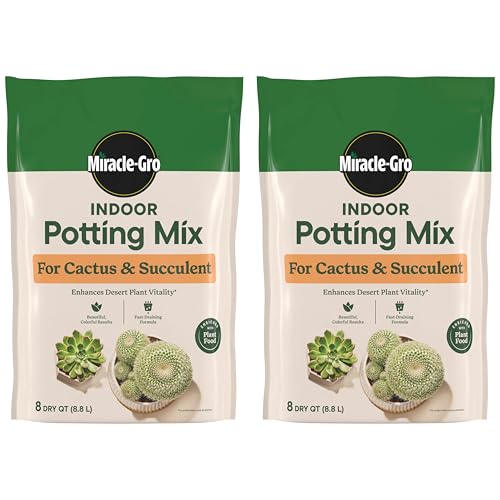
Miracle-Gro Indoor Potting Mix for Cactus and Succulent is enriched with Miracle-Gro Plant Food and enhances desert plant vitality (vs unfed plants when used as directed)
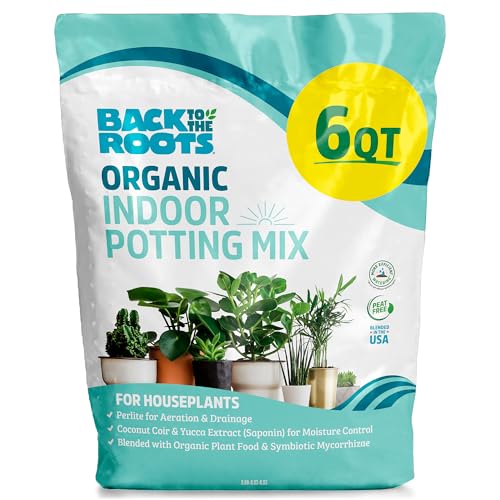
Includes 6qt of Back to the Roots Indoor Potting Mix. Our Potting Mix contains organic yucca extract that aids in retaining moisture in the soil which keeps your indoor plants happy and healthy

INDOOR GROWING: Growing indoors is easy under the right conditions; Miracle-Gro Houseplant Potting Mix is an indoor plant potting soil that combines key elements container plants need to thrive
Watering Guidelines for Potted Olive Trees
Proper watering is crucial for the health of potted olive trees in South Carolina’s climate. Understanding the specific needs of these trees can help ensure they thrive, especially given the region’s unique weather patterns. This section outlines essential watering guidelines to promote robust growth and vitality in your olive trees.
Watering olive trees requires a careful balance. Overwatering can lead to root diseases, while underwatering can stress the plant. Follow these guidelines:
Water deeply but infrequently to encourage deep root growth.
Allow the top inch of soil to dry out between watering sessions.
Adjust watering frequency based on seasonal changes and rainfall.
Monitoring soil moisture is key to maintaining the health of your olive tree. Use a moisture meter for accurate readings.
Recommended Products

Accurate Soil Moisture Detection: The XLUX Soil Moisture Meter can tell you if the soil deep inside your pot or garden is dry, moist or wet; whereas your eyes and fingers can only determine the moisture level of the soil surface. The probe is 5.5 inches (14 cm) longer than regular styles, allowing it to measure the soil moisture at the bottom of larger and deeper flower pots.

Kindly NOTE: This soil tester can not be applied to test pH value of any other liquid. If the soil is too dry the indicator will not move, and water it before testing.

Accurate Soil Moisture Detection: The XLUX Soil Moisture Meter detects deep soil moisture in pots or gardens (dry/moist/wet), unlike eyes or fingers that only sense surface soil.
Fertilization Strategies for Thriving Olive Trees
Fertilizing olive trees in pots requires a tailored approach to ensure healthy growth in South Carolina’s unique climate. Understanding the specific nutrient needs and timing can significantly enhance the vitality and productivity of these trees. This section explores effective fertilization strategies to help your potted olive trees thrive in the southern environment.
Proper fertilization is vital for promoting growth and fruiting in olive trees. A balanced fertilizer supports overall health. Consider these points:
Use a slow-release fertilizer formulated for fruit trees.
Fertilize in early spring and again in mid-summer.
Follow the manufacturer’s instructions for application rates.
Regular fertilization ensures your olive tree receives the necessary nutrients for optimal growth. Avoid over-fertilizing, as this can lead to excessive foliage at the expense of fruit production.
Pest Management Strategies for Olive Trees
Managing pests effectively is crucial for the health of olive trees grown in pots in South Carolina. This region presents unique challenges due to its climate and local insect populations. Understanding targeted pest management strategies will help ensure that your olive trees thrive and produce fruit successfully.
Pests can pose a significant threat to the health of your olive tree. Identifying and managing these pests is essential. Common pests include:
Olive fruit fly: Causes damage to fruit.
Scale insects: Affect leaves and stems.
Spider mites: Lead to leaf discoloration.
Implement integrated pest management strategies to control infestations. Regularly inspect your tree for signs of pests and take action promptly to avoid severe damage.
Seasonal Olive Tree Care in South Carolina
Caring for olive trees in pots in South Carolina requires an understanding of the state’s unique climate and seasonal changes. Proper attention to watering, sunlight, and temperature fluctuations throughout the year can significantly impact the health and productivity of these trees. This section explores the essential seasonal care techniques to ensure thriving olive trees in southern gardens.
Seasonal changes require adjustments in care for olive trees. Understanding these needs can enhance growth and fruiting. Key considerations include:
Spring: Focus on fertilization and watering as new growth begins.
Summer: Monitor for pests and ensure adequate moisture during heat.
Fall: Prepare for cooler temperatures by reducing watering.
Winter: Protect pots from freezing temperatures with insulation.
Adapting care routines to seasonal changes helps maintain the health of your olive tree throughout the year.
Olive Tree Care Schedule for South Carolina
Caring for olive trees in pots requires a tailored approach, especially in the unique climate of South Carolina. Understanding the specific needs of these trees throughout the seasons is crucial for successful growth and fruit production. This schedule outlines the essential care practices to ensure your olive trees thrive in a southern environment.
| Task | Frequency | Notes |
|---|---|---|
| Watering | Weekly | Adjust based on weather |
| Fertilizing | Twice a year | Use slow-release formula |
| Pest Inspection | Monthly | Check for common pests |
| Pruning | Annually in spring | Remove dead or damaged limbs |
Monitoring these tasks ensures your olive trees remain healthy and productive. Regular attention to their needs leads to better growth and fruit quality.
Optimal Care for Potted Olive Trees
Caring for potted olive trees in South Carolina requires an understanding of the unique climate and soil conditions of the region. Proper attention to watering, sunlight, and fertilization will ensure these trees thrive in containers. This section outlines essential care tips to help you cultivate healthy and productive olive trees in your Southern garden.
To ensure your olive trees thrive in pots, regularly assess their environment. Keep an eye on sunlight exposure and adjust pot placement as needed. Use protective measures during extreme weather conditions to safeguard your trees.
