

Guava trees are known for their resilience, but can they withstand strong winds? While they're tough, high winds can still cause damage.
So, how vulnerable are they, and what can you do to protect them? Let's explore the impact of wind on guava trees and how to ensure their well-being.
Key Takeaways
- Proper tree maintenance, including regular pruning and supporting vulnerable branches, improves a guava tree's ability to withstand high winds.
- Mulching around the base of the tree provides stability and prevents soil erosion caused by strong winds.
- High winds compromise the wind resistance and structural integrity of guava trees, leading to uprooting or destabilization.
- Implementing preventative measures such as staking young trees and pruning dead or weak branches can help mitigate wind damage to guava trees.
Guava Tree Vulnerability to High Winds
Guava trees are particularly susceptible to high winds, which can cause significant damage to their branches and fruit. Ensuring wind resistance is crucial for maintaining healthy guava trees.
To enhance their ability to withstand strong winds, proper tree maintenance is essential. Regular pruning helps to remove weak or damaged branches, improving the overall structural integrity of the tree. Additionally, supporting young or vulnerable branches can prevent them from snapping under high wind pressure.
Mulching around the base of the tree provides stability and helps to prevent soil erosion caused by strong winds.
Recommended Products

Includes: Each package contains 16pcs tree trunk protectors. Also included 38pcs zip ties to aid in connecting the protectors. These tree trunk protector guard are made of high-quality plastic, never rust, weather-proof, more sturdy and durable, long lasting and reusable.

Rich in Quantity: you will receive 4 pieces of fruit tree branch support in grey color, enough quantity to meet your needs and replacements, and you can also share some with your family members
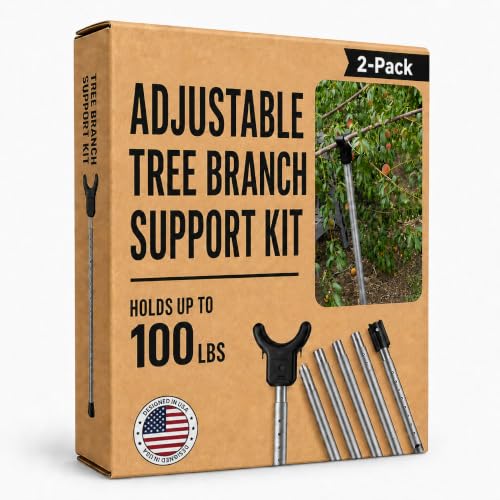
Protect Your Harvest Before Limbs Break: Support fruit-heavy branches as apples, citrus, peaches, and other crops ripen, helping reduce splitting, snapping, and lost fruit before overloaded limbs give way.
Impact of High Winds on Guava Trees
When high winds strike, they can compromise the wind resistance of your guava trees and jeopardize their structural integrity. The soil stability and root system of the trees are also at risk, potentially leading to uprooting or destabilization. To address these concerns, consider the following:
- Enhancing Wind Resistance: Regular pruning to remove dead or weak branches can help improve the tree's ability to withstand high winds.
- Supporting Tree Structure: Installing sturdy support structures, such as stakes or braces, can provide additional stability during windy conditions.
- Securing Soil Stability: Implementing erosion control measures and utilizing mulch can help maintain soil stability, protecting the guava tree's root system.
Signs of Wind Damage on Guava Trees
Upon inspecting your guava trees after a bout of high winds, you may notice a range of telltale signs indicating potential wind damage. The following table outlines common signs of wind damage on guava trees:
| Signs of Wind Damage | Description |
|---|---|
| Leaning | Tree trunk leaning to one side |
| Broken Branches | Twisted or snapped branches |
| Defoliation | Loss of leaves, especially on one side |
| Bark Damage | Scrapes, cuts, or bruises on the trunk |
Preventative measures such as staking young trees, pruning to remove dead or weak branches, and selecting a sheltered planting site can help mitigate wind damage. In terms of rehabilitation techniques, proper pruning and providing adequate nutrients and water to support the tree's recovery are essential.
Protecting Guava Trees From High Winds
To protect your guava trees from high winds, it's essential to implement strategic planting and structural support measures. Here's how you can do it:
- Choose Wind-Resistant Tree Species: Opt for varieties such as Mexican Cream and Hong Kong Pink, which have been known to withstand strong winds better than other guava tree species.
- Look for compact, sturdy varieties that are less prone to wind damage.
- Consider consulting with local nurseries or agricultural experts for advice on the most suitable species for your specific climate.
- Implement Windbreak Installation Techniques: Erect windbreaks using materials like mesh or wooden panels to shield your guava trees from strong winds.
- Ensure that the windbreak is positioned strategically to provide maximum protection.
- Regularly maintain and reinforce the windbreak to ensure its effectiveness in safeguarding your guava trees.
Recovery and Care for Damaged Guava Trees
After withstanding high winds, your guava trees may require special care and attention to aid in their recovery and promote new growth. One essential aspect of caring for damaged guava trees is employing proper pruning techniques to remove any broken or damaged branches. This helps the tree allocate its resources more efficiently towards healing and new growth. Additionally, effective water management is crucial to ensure that the damaged trees receive adequate hydration without being overwatered. Here's a simple guide to aid you in the recovery and care of your damaged guava trees:
| Pruning Techniques | Water Management |
|---|---|
| Remove broken and damaged branches using clean, sharp tools. | Provide adequate water to the tree, ensuring the soil is moist but not waterlogged. |
| Trim any diseased or dead branches to promote new growth. | Consider using mulch to retain soil moisture and regulate temperature. |
| Avoid over-pruning, as this can stress the tree further. | Monitor the tree's response to watering and adjust as necessary. |
Recommended Products
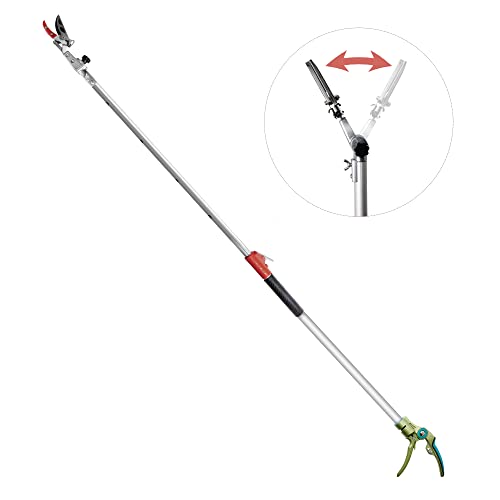
[Helpful Garden Tool] GARTOL brings to you a lightweight and extendable pruning tool to reach out to the least approachable arenas of your garden. You can conveniently get across other plants to remove the fastgrowing brambles and sting nettles without getting scratched or hurt. For gardening lovers, the telescopic pruner cutter head can can be rotated which resolves mobility issues and gives you the pleasure of trimming your garden without bending down or using a ladder to climb and cut them.

IDEAL BRANCH TRIMMER: Tree pruner that extends from 7.9 to 12 feet; Lightweight aluminum pole weighing less than five pounds to help minimize fatigue; Ideal for cutting high branches, or making low cuts without bending or kneeling

Adjustable and Durable Handle - Extendable Loppers: The lopping shears are adjustable from 16 inches to 24 inches, allowing you to handle tall branches easily. The iron arm is more sturdy and durable, and will not bend even when cutting large and thick branches.
Conclusion
Guava trees are susceptible to damage from high winds, leading to broken branches, uprooting, and stress. To safeguard your trees, consider pruning and staking as preventative measures.
If wind damage occurs, provide the necessary care for the tree's recovery. With proper attention, your guava tree can thrive once more, resilient against the forces of nature.
