
Close Menu
    Fruit Tree Hub
    • Home
    • Apple Trees
    • Lemon Trees
    • Mango Trees
    • Orange Trees
    • More Trees
      • Best Fruit Trees
      • Apricot Trees
      • Cherry Trees
      • Fig Trees
      • Lime Trees
      • Mulberry Trees
      • Peach Trees
      • Pear Trees
      • Plum Trees
      • Pomegranate Trees
    • Tips and Advice
      • Tools
    • About Us
      • Contact
      • Privacy Policy
    Fruit Tree Hub
    Home»Tips and Advice»How Long for a Peach Tree to Bear Fruit: A Guide to Faster Growth and Bountiful Harvests
    Tips and Advice

    How Long for a Peach Tree to Bear Fruit: A Guide to Faster Growth and Bountiful Harvests

    Martha JacksonBy Martha JacksonDecember 26, 20247 Mins Read
    Share Facebook Twitter Pinterest WhatsApp Email
    Share
    Facebook Twitter LinkedIn Pinterest Telegram Email

    Have you ever dreamed of biting into a juicy, homegrown peach? If you’re considering planting a peach tree, you might be wondering how long it’ll take before you can enjoy that sweet reward. Growing your own fruit can feel like a big commitment, especially when patience is key.

    Contents show
    1 Key Takeaways
    2 Understanding Peach Trees
    2.1 Growth Stages of Peach Trees
    2.2 Factors Affecting Fruit Production
    2.3 Tips for Encouraging Early Fruit Production
    3 Growing Conditions for Peach Trees
    3.1 Soil Requirements
    3.2 Climate Considerations
    4 Factors Influencing Fruit Bearing
    4.1 Tree Variety
    4.2 Care and Maintenance
    5 Typical Timeframes for Fruit Bearing
    5.1 Standard Timeframes
    5.2 Early vs. Late Varieties
    6 Conclusion
    7 Frequently Asked Questions
    7.1 How long does it take for a peach tree to bear fruit?
    7.2 What type of soil is best for peach trees?
    7.3 What climate do peach trees prefer?
    7.4 How can I encourage early fruit production in peach trees?
    7.5 What factors affect the bearing fruit time for peach trees?
    7.6 How can I protect my peach trees from frost?
    7.7 When is the best time to plant peach trees?
    7.8 What pests should I watch for with peach trees?

    Key Takeaways

    • Growth Timeline: Peach trees typically bear fruit 3-6 years after planting, depending on the variety and care provided.
    • Choosing the Right Variety: Early-bearing peach varieties, like ‘Early Elberta,’ can produce fruit in as little as 2-3 years, while late varieties may take 4-5 years.
    • Ideal Growing Conditions: Peach trees flourish in well-drained soil with a pH of 6.0-6.8, ample sunlight (6-8 hours daily), and protection from frost.
    • Impact of Care: Regular watering, fertilizing with balanced nutrients, and proper pruning significantly influence the health of the tree and its fruiting timeline.
    • Climate Considerations: Ensure the variety chosen is suited to your local climate, particularly in terms of chill hours and summer temperatures for optimal growth.

    Understanding Peach Trees

    Planting a peach tree involves knowing its key characteristics. Peach trees belong to the genus Prunus, which includes cherries and plums. They thrive in well-drained, sandy to loamy soil and require full sun for optimal growth. Peer into local climate conditions; peach trees prefer warm temperatures and are sensitive to frost.

    MUST READ
    Do Weeping Cherry Trees Have Fruit and What You Need to Know About Their Care

    Recommended Products

    Bonanza Patio Peach Tree, Compact, Fruit Bearing, Deciduous, Self-Sufficient, 5 gal, Nursery Pot (Due to Agricultural Laws, we Cannot Ship to CA, AZ, AK, or HI)
    Bonanza Patio Peach Tree, Compact, Fruit Bearing, Deciduous, Self-Sufficient, 5 gal, Nursery Pot (Due to Agricultural Laws, we Cannot Ship to CA, AZ, AK, or HI)

    USDA Hardiness Zones: Typically Zones 5-9

    VIEW LATEST PRICE

    As an affiliate, we earn on qualifying purchases.

    Bonanza Patio Peach Tree, 7 gal, Nursery Pot | Compact, Fruit Bearing, Deciduous, Self-Sufficient
    Bonanza Patio Peach Tree, 7 gal, Nursery Pot | Compact, Fruit Bearing, Deciduous, Self-Sufficient

    USDA Hardiness Zones: Typically Zones 5-9

    VIEW LATEST PRICE

    As an affiliate, we earn on qualifying purchases.

    Contender Peach Tree - Live Plant Shipped 1 to 2 Feet Tall by DAS Farms | Organic Orchard Trees, Self Pollinating, Ready to Plant
    Contender Peach Tree - Live Plant Shipped 1 to 2 Feet Tall by DAS Farms | Organic Orchard Trees, Self Pollinating, Ready to Plant

    These are ready to plant and should be put in the ground according to the included instructions upon arrival. All pictures are of fully grown plants. Sizes shipped are in the title and description. Deciduous plants do not have leaves in the winter.

    VIEW LATEST PRICE

    As an affiliate, we earn on qualifying purchases.

    Growth Stages of Peach Trees

    Peach trees undergo several growth stages before bearing fruit:

    1. Planting – Select a healthy nursery seedling. This stage begins the tree’s growth journey.
    2. Establishment – Lasts one to two years. The tree focuses on root development and overall health.
    3. Pre-fruiting – Occurs after two to four years. The tree matures and prepares for fruit production.
    4. Bearing stage – Begins four to six years after planting. The tree typically produces its first crop of peaches.

    Factors Affecting Fruit Production

    Several factors determine how quickly a peach tree bears fruit:

    • Variety – Certain peach varieties mature faster. For example, the Early Elberta can produce fruit within three years, while Babcock might take longer.
    • Growing Conditions – Proper soil fertility, sunlight exposure, and water availability directly influence fruiting.
    • Tree Care – Regular pruning and pest management promote healthy growth and fruit production.

    Tips for Encouraging Early Fruit Production

    To encourage your peach tree to bear fruit quickly, consider these actionable tips:

    • Choose the Right Variety – Research and select early-bearing varieties suitable for your area.
    • Provide Adequate Nutrition – Use balanced fertilizers in early spring for robust growth.
    • Water Appropriately – Maintain consistent moisture, particularly during flowering and fruit development.
    MUST READ
    How to Apply Neem Oil to Fruit Trees for Effective Pest Control and Healthy Growth

    This knowledge paves the way for successfully nurturing your peach tree and enjoying a bountiful harvest.

    Growing Conditions for Peach Trees

    Peach trees thrive in specific conditions that support their growth and fruiting. Understanding these aspects helps you create an ideal environment for your tree.

    Recommended Products

    Rapitest Soil Test Kit for Gardens, Vegetables, Flowers and Lawns. USA designed and assembled soil tester completely, quickly and accurately measures/analyzes soil pH acidity and garden nutrients.
    Rapitest Soil Test Kit for Gardens, Vegetables, Flowers and Lawns. USA designed and assembled soil tester completely, quickly and accurately measures/analyzes soil pH acidity and garden nutrients.

    Quick, at home results for Soil pH, Nitrogen, Phosphorous and Potash Innovative and inexpensive soil test kit features an easy-to-use capsule system and patented color comparators

    VIEW LATEST PRICE

    As an affiliate, we earn on qualifying purchases.

    MySoil Soil Test Kit, Unlock Your Lawn & Garden Potential, Complete & Accurate Nutrient and pH Analysis with Recommendations Tailored to Your Soil and Plant Needs
    MySoil Soil Test Kit, Unlock Your Lawn & Garden Potential, Complete & Accurate Nutrient and pH Analysis with Recommendations Tailored to Your Soil and Plant Needs

    KNOW BEFORE YOU GROW | Grow the healthiest, sustainable lawn and garden with the most accurate and easy to use professional soil test kit on the market

    VIEW LATEST PRICE

    As an affiliate, we earn on qualifying purchases.

    SONKIR Soil pH Meter, MS02 3-in-1 Soil Moisture/Light/pH Tester Gardening Tool Kits for Plant Care, Great for Garden, Lawn, Farm, Indoor & Outdoor Use (Green)
    SONKIR Soil pH Meter, MS02 3-in-1 Soil Moisture/Light/pH Tester Gardening Tool Kits for Plant Care, Great for Garden, Lawn, Farm, Indoor & Outdoor Use (Green)

    Kindly NOTE: This soil tester can not be applied to test pH value of any other liquid. If the soil is too dry the indicator will not move, and water it before testing.

    VIEW LATEST PRICE

    As an affiliate, we earn on qualifying purchases.

    Soil Requirements

    Soil plays a crucial role in the health of your peach tree. Choose well-draining, sandy loam with a pH between 6.0 and 6.8. Testing your soil ensures it meets these criteria.

    • Drainage: Incorporate organic matter, like compost, to improve drainage.
    • Nutrients: Add balanced fertilizers based on soil tests to provide necessary nutrients.
    • Root Space: Ensure the soil depth reaches at least 3 feet to allow for strong root development.
    MUST READ
    How Long for Meyer Lemon Tree to Fruit: Key Tips for a Bountiful Harvest

    Climate Considerations

    Peach trees flourish in regions with warm summers and a chilling period in winter. Aim for temperatures consistently above 75°F during the growing season.

    • Chill Hours: Many varieties require 600–1,000 chill hours at temperatures below 45°F. Select a variety suited to your climate zone.
    • Sunlight: Ensure your tree receives 6–8 hours of direct sunlight daily. Positioning is key for optimal growth.
    • Frost Protection: Keep an eye on late frosts, which can damage blossoms. Consider planting in a location with some natural protection from frost.

    Factors Influencing Fruit Bearing

    Several factors directly influence how long it takes for peach trees to bear fruit. Understanding these can significantly enhance your growing experience.

    Recommended Products

    Farmer's Secret Fruit Tree Booster Fertilizer - Super Concentrated and Phosphorus Rich - Formulated for All Fruit Trees Including Peach, Banana, and Apple (8oz)
    Farmer's Secret Fruit Tree Booster Fertilizer - Super Concentrated and Phosphorus Rich - Formulated for All Fruit Trees Including Peach, Banana, and Apple (8oz)

    Let our professionally formulated plant food help your fruit tree grow healthy, strong AND abundantly producing
    VIEW LATEST PRICE

    As an affiliate, we earn on qualifying purchases.

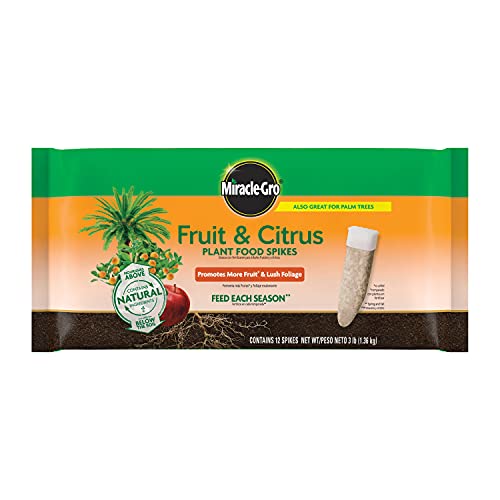
    Miracle-Gro Fruit & Citrus Plant Food Spikes, 12 Spikes, 3 lb. | 10-15-15 Easy-to-Use Nutrient Spikes for Fruit and Citrus Trees, Plant Fertilizer
    Miracle-Gro Fruit & Citrus Plant Food Spikes, 12 Spikes, 3 lb. | 10-15-15 Easy-to-Use Nutrient Spikes for Fruit and Citrus Trees, Plant Fertilizer

    FORMULATED FOR CITRUS AND FRUIT TREES: Use these citrus fertilizer spikes on apple, orange, lemon, lime, and avocado trees; this formula is also great for feeding palm trees

    VIEW LATEST PRICE

    As an affiliate, we earn on qualifying purchases.

    Peach Tree Fertilizer – Liquid Plant Food for Healthy Growth, 32 oz | Boosts Fruit Production & Sweetness, Supports Bloom Development, For In-Ground & Container Growing, Encourages Root Vigor
    Peach Tree Fertilizer – Liquid Plant Food for Healthy Growth, 32 oz | Boosts Fruit Production & Sweetness, Supports Bloom Development, For In-Ground & Container Growing, Encourages Root Vigor

    Made for Peach Trees - This peach tree fertilizer is formulated specifically to support healthy growth and fruiting in peach trees.

    VIEW LATEST PRICE

    As an affiliate, we earn on qualifying purchases.

    Tree Variety

    Different peach tree varieties exhibit varying timelines for fruit production. Standard varieties often bear fruit in 3–4 years, while some dwarf varieties may produce in as little as 2 years. For instance, cultivars like ‘Early Redhaven’ yield fruit sooner than ‘Elberta.’ Be sure to select a variety suited to your climate and space for optimal results.

    MUST READ
    How Tall Do Star Fruit Trees Grow to Maximize Your Garden's Potential

    Care and Maintenance

    Care and maintenance practices play a crucial role in fruit bearing.

    • Watering: Regular irrigation ensures the tree remains hydrated. Young trees typically need deep watering once a week.
    • Fertilizing: Apply balanced fertilizers during the growing season to provide essential nutrients. Example: A 10-10-10 NPK fertilizer promotes healthy growth.
    • Pruning: Proper pruning encourages airflow and sunlight penetration, essential for fruit development. Prune during dormancy to promote better yields.
    • Pest & Disease Control: Keeping a close eye on pests and diseases prevents these issues from impacting fruit production. Use organic pesticides or consult local extension services for solutions.

    By focusing on these factors, you encourage your peach tree to thrive and bear fruit sooner.

    Typical Timeframes for Fruit Bearing

    Understanding the timelines for peach trees to bear fruit helps manage expectations. Many factors influence the duration, including tree variety and care practices.

    Standard Timeframes

    Standard peach tree varieties typically begin to bear fruit within 3–4 years after planting. Parental care during the establishment phase significantly affects this timeframe. For optimal results, plant in well-draining soil, provide consistent watering, and fertilize appropriately.

    Here’s a breakdown of growth stages:

    StageDuration
    PlantingYear 0
    Establishment1–2 years
    Pre-Fruiting2–3 years
    Fruit Bearing3–4 years

    Early vs. Late Varieties

    Early-bearing varieties of peach trees, such as ‘Flordaprince’ or ‘July Prince,’ often produce fruit within 2–3 years. Late-bearing varieties, like ‘Elberta’ or ‘Redhaven,’ typically take 4–5 years to start fruit production. Each variety’s growth rate contributes to your overall harvest timeline.

    Consider the following tips:

    • Choose Early Varieties: Selecting early varieties gives quicker fruiting results.
    • Know Your Climate: Research which varieties thrive in your specific climate for better crop health.

    Understanding these timeframes allows you to plan your gardening activities effectively for a fresh peach harvest.

    Conclusion

    Growing your own peach tree is a rewarding journey filled with anticipation. While it may take a few years for your tree to start producing fruit you can enjoy the process every step of the way. By choosing the right variety and providing proper care you can help your tree flourish and potentially speed up the fruit-bearing timeline.

    MUST READ
    How to Propagate Fruit Trees: Simple Techniques for a Thriving Home Orchard

    Remember to stay patient and keep an eye on your tree’s needs. With time and dedication you’ll be savoring those sweet peaches right from your backyard. Enjoy the experience and happy gardening!

    Frequently Asked Questions

    How long does it take for a peach tree to bear fruit?

    Typically, standard peach tree varieties bear fruit within 3–4 years after planting. Early-bearing varieties may produce fruit in as little as 2–3 years, while late-bearing varieties can take up to 4–5 years.

    What type of soil is best for peach trees?

    Peach trees thrive in well-draining sandy loam soil with a pH between 6.0 and 6.8. Good soil quality is vital for root development and overall tree health.

    What climate do peach trees prefer?

    Peach trees prefer regions with adequate sunlight and a chilling period during winter. They thrive best in climates that provide warm summers and cool winters.

    How can I encourage early fruit production in peach trees?

    To encourage early fruit production, choose the right variety, ensure balanced fertilization, provide sufficient watering, and engage in proper pruning practices.

    What factors affect the bearing fruit time for peach trees?

    Factors influencing fruit-bearing time include tree variety, local climate conditions, soil quality, and maintenance practices such as watering, fertilization, and pest control.

    How can I protect my peach trees from frost?

    To protect peach trees from frost, consider planting them in a location with good air drainage, covering them during cold snaps, and choosing varieties known for frost resistance.

    When is the best time to plant peach trees?

    The ideal time to plant peach trees is in early spring after the last frost or in late fall, allowing the roots to establish before extreme temperatures.

    What pests should I watch for with peach trees?

    Common pests include aphids, peach tree borers, and spider mites. Regular monitoring and timely intervention, such as insecticidal soaps or neem oil, can help manage these pests.

    Share. Facebook Twitter Pinterest LinkedIn Tumblr Email
    martha jackson
    Martha Jackson

      Martha Jackson is an accomplished freelance writer and editor with a strong interest in gardening. With a degree in English from the University of California, Berkeley, Martha has over 15 years of experience writing for a variety of publications. She is passionate about making gardening accessible to all and is always seeking out new techniques and innovations.

      Related Posts

      How Long Until Avocado Trees Bear Fruit and Tips for Faster Growth at Home

      February 20, 2025

      What Yellow Fruit Grows on Trees and Their Delicious Health Benefits

      February 20, 2025

      How to Air Layer Fruit Trees: A Step-by-Step Guide for Successful Propagation

      February 20, 2025

      When Do Grapefruit Trees Produce Fruit and How to Maximize Your Harvest

      February 20, 2025

      What Is a Fast Growing Fruit Tree: Discover Quick-Yield Options for Your Garden

      February 20, 2025

      Do Cherry Blossom Trees Have Fruit? Discover the Truth About Their Edibility and Benefits

      February 20, 2025
      Leave A Reply Cancel Reply

      Affiliate Disclosure

      As an Amazon Associate I earn from qualifying purchases.

      Recommended Reading

      Planting Blackberries and Raspberries Together: Tips for Successful Co-planting

      Do I Need Two Persimmon Trees to Get Fruit for a Bigger Harvest and Better Quality?

      How to Make Lemon Tree Fruit: Essential Tips for Thriving and Fruiting Lemon Trees

      How Many Years Before Plum Trees Produce Fruit: Tips for Faster Fruiting and Care

      When to Take Cuttings from Fruit Trees: Essential Timing and Techniques for Successful Propagation

      When Do Nectarine Trees Lose Their Leaves? Tips for Leaf Shedding Management

      When Do Olive Trees Produce Fruit and How to Maximize Your Harvest

      Caring for Your Grapefruit Tree: Soil Tips, Pest Management, Harvesting & Storage Secrets

      How Many Years Until Peach Trees Bear Fruit: A Complete Guide to Growing Sweet Peaches

      Growing Banana Trees in Wichita, KS: High Plains Growth Tips

      Fruit Tree Hub

      Fruit Tree Hub is a website dedicated to providing you everything you need to grow fruit trees successfully at in your own yard.

      Contact us at: [email protected]

      - AFFILIATE DISCLOSURE: As an Amazon Associate I earn from qualifying purchases.

      Latest Posts

      18 Coastal Crochet Tops in White and Neutral Shades

      16 Retro Crochet Tops Built Around Multicolor Granny Squares

      16 Modest Crochet Tops Featuring Higher Necklines

      19 Cottagecore Crochet Tops With Square Necklines

      13 Ruffled Crochet Tops With Flared Hems

      19 Lace Crochet Tops Featuring Intricate Openwork

      14 Floral Crochet Tops Inspired by Botanical Motifs

      20 Boho Crochet Halter Tops for Festival Outfits

      Categories
      • Almond Trees
      • Apple Trees
      • Apricot Trees
      • Best Fruit Trees
      • Blackberry
      • Cantaloupe
      • Cherry Trees
      • Christmas Crochet Ideas
      • Crochet Bag Ideas
      • Crochet Blanket Ideas
      • Crochet Dress Ideas
      • Crochet Ideas
      • Crochet Ideas for Beginners
      • Crochet Top Ideas
      • Cucamelon
      • Easy Crochet Ideas
      • Easy Knitting Projects
      • Fall Crochet Ideas
      • Fig Trees
      • Grapefruit Trees
      • Grapes
      • Guava Trees
      • Halloween Crochet Ideas
      • Honeydew
      • Jujube Trees
      • Kiwi
      • Knitting For Beginners
      • Knitting Ideas
      • Knitting Inspiration
      • Lemon Trees
      • Lime Trees
      • Loquat Trees
      • Mango Trees
      • Mulberry Trees
      • Nectarine Trees
      • Olive Trees
      • Orange Trees
      • Papaya Trees
      • Peach Trees
      • Pear Trees
      • Persimmon Trees
      • Planting
      • Plum Trees
      • Pomegranate Trees
      • Quince Trees
      • Raspberry
      • Reviews
      • Small Crochet Ideas
      • Star Fruit Trees
      • Summer Crochet Ideas
      • Tamarind Trees
      • Tangerine Trees
      • Tips and Advice
      • Tools
      • Uncategorized
      • Walnut Trees
      • Winter Crochet Ideas
      © 2026 Fruit Tree Hub
      • Home
      • About Us
      • Contact
      • Privacy Policy
      • Terms and Conditions
      • Disclaimer
      • Editorial Policy
      • Affiliate Disclosure

      Type above and press Enter to search. Press Esc to cancel.