

Are you dreaming of a lush backyard filled with fresh fruit trees? Planting them at the right time is key to enjoying a bountiful harvest. In Missouri, the timing can be a bit tricky due to the varying climate and seasonal changes.
Imagine standing in your yard, surrounded by vibrant apple or peach trees, all thanks to your careful planning. This article will guide you through the best times to plant fruit trees in Missouri, ensuring you set your garden up for success. Whether you’re a seasoned gardener or just starting out, you’ll find valuable tips to help you cultivate your own delicious fruit oasis.
Key Takeaways
- Optimal Planting Times: Early spring (late March to early April) is ideal for bare-root trees, while late fall (September to October) suits potted trees for successful establishment.
- Climate Awareness: Consider Missouri’s climate factors, including frost dates and soil temperature (ideally above 50°F) to ensure healthy root development.
- Choosing the Right Varieties: Select native fruit tree varieties (e.g., American persimmon, black cherry) and adaptable species (e.g., Honeycrisp apples, Bartlett pears) for better growth and resilience.
- Soil and Site Preparation: Prepare well-draining, nutrient-rich soil and choose a sunny location with proper spacing for optimal growth conditions.
- Care for New Trees: Provide consistent watering and timely fertilization in the first season to promote healthy growth and establish robust root systems.
Understanding Fruit Tree Planting Times
Planting fruit trees at the right time ensures a healthy growth cycle and a fruitful harvest. Consider both the timing and Missouri’s climate for optimal results.
Importance of Timing
Timing significantly affects fruit tree establishment and growth. Early spring is ideal for planting bare-root trees, as this allows roots to settle before summer heat arrives. Late fall works well for potted trees, letting them acclimate to the ground in cooler temperatures. Both methods support strong root development, leading to better fruit production.
Climate Considerations in Missouri
Missouri’s climate features hot summers and cold winters, which influence planting times.
- Frost Dates: To avoid frost damage, wait until after the last expected frost, typically around mid to late April in most areas.
- Winter Dormancy: Plant trees during their dormancy, usually from late March to early April. This reduces stress and promotes healthier growth once spring arrives.
- Soil Temperature: Check that soil temperatures reach at least 50°F before planting, as warmer soil encourages root activity.
Understanding these climate factors ensures you choose the best planting time, enhancing your fruit trees’ long-term success.
Best Times to Plant in Missouri
Timing is essential for planting fruit trees in Missouri. Two primary seasons stand out for planting: spring and fall. Each season offers unique advantages that align with Missouri’s climate.
Spring Planting
Spring is often the ideal time for planting bare-root fruit trees. Aim for early spring, typically from late March to early April. During this period, the soil starts warming up, and roots can establish themselves before summer heat arrives.
Selecting bare-root trees promotes faster root establishment. After the last expected frost, usually mid to late April, you should consider planting. This timing helps avoid frost damage.
Monitor soil temperatures, ensuring they reach at least 50°F. Warm soil encourages root activity, allowing trees to grow successfully throughout the season.
Fall Planting
Fall planting works well for potted fruit trees. Consider planting from late September through October. Cooler temperatures allow trees to acclimate and establish roots before winter sets in.
Potted trees benefit from being placed in the ground while temperatures are still mild. This method reduces transplant shock and promotes healthier growth in the following spring.
Give the trees adequate water before frost. This helps them survive the winter months and kickstarts their growth when spring arrives. Aim to plant at least a month before the first expected frost date, giving the trees time to settle.
By understanding and following these guidelines, you enhance the success of your fruit trees in Missouri.
Choosing the Right Fruit Trees
Selecting the right fruit trees for your Missouri garden involves considering several factors such as climate, soil, and local wildlife. You want to ensure these trees thrive and produce abundant fruit.
Recommended Products

Used Book in Good Condition

American Red Plum (Prunus americana): The American Red Plum is a common shrub or small tree, often found along roadsides. Fruits are yellow to red in color and used for jellies and jams. Found from Massachusetts to Manitoba, South to Georgia, New Mexico and Utah

For sale are 5 American Persimmon trees that are approximately 6-15" tall
Native Varieties
Native fruit trees often adapt better to local conditions. They handle Missouri’s climate more effectively than non-native species. Here are some native options to consider:
- American Persimmon: Produces sweet, flavorful fruit. This tree is drought-tolerant and attracts wildlife.
- Black Cherry: Offers small, dark cherries ideal for cooking or eating fresh. Trees are also beneficial for birds.
- Sour Cherry: Thrives in Missouri’s climate, providing tart cherries perfect for pies and jams.
Choosing native varieties promotes sustainability and supports local ecosystems.
Adaptability to Climate
Consider fruit trees that can thrive in Missouri’s diverse climate. Look for trees that withstand hot summers and cold winters effectively. Here are some adaptable choices:
- Apple Trees: Varieties like ‘Honeycrisp’ and ‘Fuji’ handle temperature fluctuations well and produce high-quality fruit.
- Pear Trees: ‘Bartlett’ and ‘Kieffer’ pears perform great in Missouri’s conditions, offering delicious harvests.
- Plum Trees: ‘Methley’ and ‘Santa Rosa’ plums are reliable choices that adapt easily to various soil types.
By selecting adaptable trees, you ensure better growth and increased fruit production year after year.
Preparing for Planting
Preparing for planting fruit trees involves key steps to ensure they thrive in Missouri’s climate. Proper soil and site selection sets the foundation for healthy growth and fruitful harvests.
Recommended Products

Comprehensive Soil Analysis: Liquid soil test kits offer a comprehensive analysis of essential soil parameters, including pH, ammonia, nitrogen, phosphorus, and potassium. Having all these measurements in one kit provides a holistic understanding of the soil's fertility and health.

Quick, at home results for Soil pH, Nitrogen, Phosphorous and Potash Innovative and inexpensive soil test kit features an easy-to-use capsule system and patented color comparators

KNOW BEFORE YOU GROW | Grow the healthiest, sustainable lawn and garden with the most accurate and easy to use professional soil test kit on the market
Soil Preparation
Ensure the soil is well-draining and nutrient-rich. Test the soil pH; ideal levels range from 6.0 to 6.8. Amend soil with organic matter like compost or well-rotted manure to enhance fertility. Tilling the soil to a depth of at least 12 inches supports root development. Remove rocks, weeds, and debris for a clean planting area. Consider using a soil moisture meter to help determine the right watering schedule.
Site Selection
Choose a sunny location that receives at least six hours of direct sunlight daily. Position trees away from taller plants or structures that cast shadows. Avoid areas prone to standing water, as excess moisture can harm roots. Check the wind exposure; a sheltered spot helps protect trees from harsh winds. Consider planting near existing trees or shrubs that may aid in pollination, enhancing fruit production. Aim for proper spacing between trees, typically 15 to 20 feet apart, to allow for adequate airflow and growth.
Caring for Newly Planted Trees
Caring for newly planted trees is essential for their growth and long-term health. Proper attention during the first few months sets the foundation for your trees’ vitality.
Recommended Products
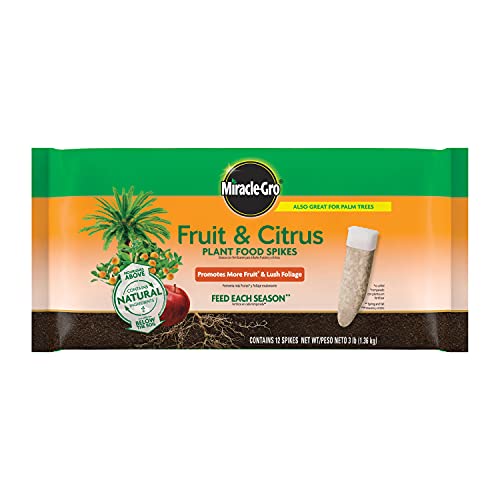
FORMULATED FOR CITRUS AND FRUIT TREES: Use these citrus fertilizer spikes on apple, orange, lemon, lime, and avocado trees; this formula is also great for feeding palm trees

Let our professionally formulated plant food help your fruit tree grow healthy, strong AND abundantly producing

2X MORE VALUE: HiThrive Peach Plant Fertilizer 16 oz bottle makes 16 gallons of fruit tree spray, while the bigger size 32 oz makes 32 gallons to keep your peach trees thriving season after season.
Watering Needs
Watering plays a critical role in establishing newly planted trees. Trees require consistent moisture, particularly in their first season.
- Water Frequency: Water at least once a week, increasing to two times during hot, dry spells.
- Water Amount: Provide enough water to saturate the root zone, typically 10 to 20 gallons per week, depending on tree size and soil conditions.
- Soil Check: Ensure the top few inches of soil stay moist but avoid overwatering, which can lead to root rot.
Fertilization Tips
Fertilizing newly planted trees supports root development and boosts growth.
- Timing: Fertilize about six weeks after planting. This timing allows the tree to adjust before adding nutrients.
- Type of Fertilizer: Use a slow-release, balanced fertilizer with a ratio like 10-10-10 or one formulated for trees.
- Application Rate: Follow package instructions, typically applying around 0.5 to 1 pound of fertilizer per inch of trunk diameter.
- Distribution: Spread fertilizer evenly in a circle around the tree, avoiding direct contact with the trunk.
By addressing watering and fertilization effectively, you increase the chances of thriving fruit trees in your Missouri garden.
Conclusion
Planting fruit trees in Missouri can be a rewarding experience when you get the timing right. By focusing on early spring for bare-root trees and late fall for potted ones you set the stage for healthy growth and bountiful harvests.
Don’t forget to consider your soil and site conditions to give your trees the best chance to thrive. With a little preparation and care you can enjoy fresh fruit from your own backyard. So get ready to dig in and watch your garden flourish!
Frequently Asked Questions
When is the best time to plant fruit trees in Missouri?
Plant fruit trees in Missouri during early spring (late March to early April) for bare-root trees and late September through October for potted trees. Timing is crucial to avoid frost damage and to ensure trees acclimate to temperatures.
What types of fruit trees are best suited for Missouri?
Native varieties like American Persimmon and Black Cherry are ideal for Missouri’s climate. Adaptable trees such as ‘Honeycrisp’ and ‘Fuji’ apple trees also thrive well, promoting sustainability and successful harvests.
How can I prepare my soil for planting fruit trees?
Prepare your soil by ensuring it is well-draining and nutrient-rich. Test the pH (ideally 6.0 to 6.8), amend with compost, and till to at least 12 inches deep. Remove debris and ensure the planting site is clear.
How often should I water newly planted fruit trees?
Water newly planted fruit trees weekly, and twice during hot spells. Ensure the soil stays moist but avoid overwatering to promote healthy root development and prevent stress.
What precautions should I take to protect my fruit trees from frost?
To protect against frost, plant after the last expected frost date, typically mid to late April in Missouri. Monitor local weather and consider covering young trees during unexpected cold snaps.
