Close Menu
    Fruit Tree Hub
    • Home
    • Apple Trees
    • Lemon Trees
    • Mango Trees
    • Orange Trees
    • More Trees
      • Best Fruit Trees
      • Apricot Trees
      • Cherry Trees
      • Fig Trees
      • Lime Trees
      • Mulberry Trees
      • Peach Trees
      • Pear Trees
      • Plum Trees
      • Pomegranate Trees
    • Tips and Advice
      • Tools
    • About Us
      • Contact
      • Privacy Policy
    Fruit Tree Hub
    Home»Tips and Advice»How Long Does It Take Peach Tree to Bear Fruit and Tips for Successful Growth
    Tips and Advice

    How Long Does It Take Peach Tree to Bear Fruit and Tips for Successful Growth

    Martha JacksonBy Martha JacksonOctober 30, 20247 Mins Read
    Share Facebook Twitter Pinterest WhatsApp Email
    Share
    Facebook Twitter LinkedIn Pinterest Telegram Email

    Ever wondered how long you’ll have to wait for your peach tree to reward you with juicy fruit? If you’ve just planted one or are thinking about it, you’re probably eager to know when those sweet peaches will be ready to enjoy.

    Contents show
    1 Key Takeaways
    2 Overview of Peach Trees
    2.1 Types of Peach Trees
    2.2 Growth Stages
    2.3 Time to Bear Fruit
    2.4 Environmental Considerations
    2.5 Care Requirements
    3 Factors Affecting Fruit Bearing
    3.1 Tree Variety
    3.2 Growing Conditions
    4 Typical Timeframe for Fruiting
    4.1 Standard Peach Trees
    4.2 Dwarf Peach Trees
    5 Tips to Encourage Fruiting
    5.1 Proper Care and Maintenance
    5.2 Pollination Considerations
    6 Conclusion
    7 Frequently Asked Questions
    7.1 How long does it take for a newly planted peach tree to bear fruit?
    7.2 What factors influence the fruit-bearing timeline of peach trees?
    7.3 What are the different types of peach trees?
    7.4 How can I ensure my peach tree produces fruit?
    7.5 Are peach trees self-pollinating?

    Key Takeaways

    • Timeframe for Fruiting: Peach trees typically bear fruit within 3 to 4 years after planting, though dwarf varieties may yield fruit in just 2 to 3 years.
    • Importance of Tree Variety: Different peach varieties have varying timelines for fruit production; choose one that suits your climate and desired harvest time.
    • Optimal Growing Conditions: Peach trees thrive in full sun (6 to 8 hours daily), well-drained soil with a pH of 6.0 to 6.8, and require consistent watering for healthy growth.
    • Proper Care Strategies: Regular pruning, fertilizing in early spring, and vigilant pest management are essential for encouraging fruiting and maintaining tree health.
    • Pollination Considerations: While many peach trees are self-pollinating, planting multiple varieties can enhance fruit set through cross-pollination.
    • Environmental Factors: Chill hours and suitable climate play a critical role in successful flowering and fruit development for peach trees.

    Overview of Peach Trees

    Peach trees are beloved for their sweet and juicy fruit. Knowing what to expect from your peach tree is essential for successful cultivation.

    Types of Peach Trees

    You’ll find several varieties of peach trees, including:

    • Clingstone Peaches: Flesh adheres to the pit, often used for canning.
    • Freestone Peaches: Flesh separates easily from the pit, ideal for fresh eating.
    • Donut Peaches: Flat-shaped peaches that offer a unique flavor and texture.
    MUST READ
    How Long Does Fruit Trees Take to Grow: Essential Timelines and Care Tips for Gardeners

    Growth Stages

    Peach trees progress through distinct growth stages:

    1. First Year: Focus on establishing roots. You may notice a few leaves and branches.
    2. Second Year: Growth increases. You’ll likely see more branches and some blooms.
    3. Third Year: Expect a chance of fruit. Some trees may bear a small crop at this point.

    Time to Bear Fruit

    Typically, peach trees take about 3 to 4 years to produce their first fruit. Factors like the variety, climate, and care play crucial roles in this timeline.

    Environmental Considerations

    Your peach tree thrives in specific conditions:

    • Sunlight: Needs full sun for at least 6 hours daily.
    • Soil: Prefers well-drained soil with a pH between 6.0 and 6.8.
    • Watering: Regular watering supports growth, especially in the dry months.

    Care Requirements

    Proper care significantly impacts fruit production:

    • Pruning: Regularly prune to promote air circulation and increase sunlight exposure.
    • Fertilizing: Use a balanced fertilizer in early spring for optimal growth.
    • Pest Management: Monitor for pests and diseases early to protect your tree.

    Understanding these aspects prepares you for the journey of growing peach trees and enjoying the fruits of your labor.

    Factors Affecting Fruit Bearing

    Several factors determine how long it takes for a peach tree to bear fruit. Understanding these can help you make the most of your growing experience.

    Recommended Products

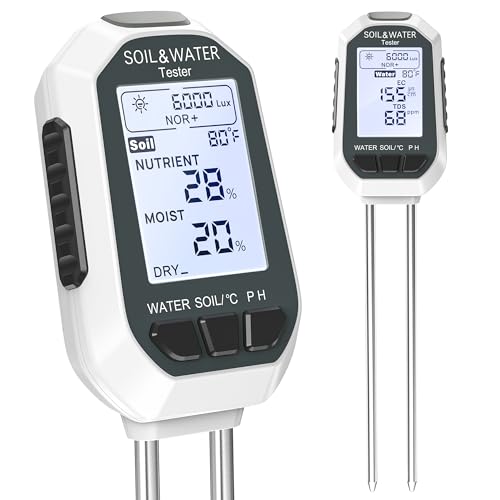
    YAMRON 4-in-1 Soil Moisture Meter Digital Plant Temperature/Soil Moisture/pH Meter/Sunlight Intensity Backlight LCD Display Soil Test Meter for Gardening, Farming and Outdoor Plants
    YAMRON 4-in-1 Soil Moisture Meter Digital Plant Temperature/Soil Moisture/pH Meter/Sunlight Intensity Backlight LCD Display Soil Test Meter for Gardening, Farming and Outdoor Plants

    【4 in 1 function】This is a 4-in-1 multifunctional soil tester.Our soil tester fastly to measure soil moisture, pH, temperature and sunlight to help you take better care of flowers and plants.You can know when you need to water your soil by measuring moisture and pH & Temperature value of the soil and sunlight level of plants with it.

    VIEW LATEST PRICE
    MUST READ
    Why Are My Fruit Trees Dropping Fruit

    As an affiliate, we earn on qualifying purchases.

    SONKIR Soil pH Meter, MS02 3-in-1 Soil Moisture/Light/pH Tester Gardening Tool Kits for Plant Care, Great for Garden, Lawn, Farm, Indoor & Outdoor Use (Green)
    SONKIR Soil pH Meter, MS02 3-in-1 Soil Moisture/Light/pH Tester Gardening Tool Kits for Plant Care, Great for Garden, Lawn, Farm, Indoor & Outdoor Use (Green)

    Kindly NOTE: This soil tester can not be applied to test pH value of any other liquid. If the soil is too dry the indicator will not move, and water it before testing.
    VIEW LATEST PRICE

    As an affiliate, we earn on qualifying purchases.

    AiGerdinn Soil Test Kit, 2-in-1 Soil Moisture Meter, Soil pH Meter -Dual Dial-Simultaneously-Display Results-Soil pH Tester, Moisture Meter for Garden,Lawn,Farm Indoor&Outdoor Plants-PureWhite
    AiGerdinn Soil Test Kit, 2-in-1 Soil Moisture Meter, Soil pH Meter -Dual Dial-Simultaneously-Display Results-Soil pH Tester, Moisture Meter for Garden,Lawn,Farm Indoor&Outdoor Plants-PureWhite

    2-in-1 Soil Moisture Meter & Soil pH Meter: Designed for beginners, upgraded testing structure, a creative Dual-Dial design, can meet your different needs. Simply unbox and use. This soil meter takes the guesswork out of taking care of your plants and elevates your planting experience to the next level. Helps you to plant lush and healthy house plants.

    VIEW LATEST PRICE

    As an affiliate, we earn on qualifying purchases.

    Tree Variety

    Tree variety significantly influences fruit-bearing timelines. Different peach tree varieties produce fruit at varying rates. For instance, standard varieties like ‘Elberta’ and ‘J.H. Hale’ typically bear fruit within 3 to 4 years after planting. In contrast, newer varieties such as ‘Flameprince’ may start yielding fruit in just 2 to 3 years. Always choose a variety that suits your climate and desired harvest time.

    Growing Conditions

    Growing conditions play a crucial role in fruit production. Key aspects include:

    • Soil Quality: Fertile, well-draining soil promotes strong root development. Aim for a pH level of 6.0 to 6.8.
    • Sunlight: Peach trees require full sun for at least 6 to 8 hours daily. Insufficient sunlight can delay fruiting.
    • Watering: Consistent watering, especially during dry spells, ensures healthy growth and fruit development. Trees typically need about 1 inch of water per week.
    • Temperature: Peach trees thrive in temperate climates. They require a certain number of chill hours (at least 300) each winter to ensure proper flowering.

    By focusing on these factors, you can enhance your peach tree’s potential to produce fruit efficiently.

    MUST READ
    How Many Years Before a Fig Tree Bears Fruit: Essential Tips for Growing Success

    Typical Timeframe for Fruiting

    You can expect a newly planted peach tree to start bearing fruit within a specific timeframe. Various factors influence the timeline, including tree variety, growing conditions, and care practices.

    Recommended Products

    Mixrug Organic Dwarf Peach Seeds for Planting Outdoor, 5pcs Perennial Organic Peachs Fruit Tree Seeds Sweet Edible Plants, Non-GMO Heirloom Sweet Juicy Fruits Plants in Your Home Garden
    Mixrug Organic Dwarf Peach Seeds for Planting Outdoor, 5pcs Perennial Organic Peachs Fruit Tree Seeds Sweet Edible Plants, Non-GMO Heirloom Sweet Juicy Fruits Plants in Your Home Garden

    Fragrant Flowers: Bloom blossoms that provide precious nectar for pollinators like bees, creating your own romantic orchard with heavy fruit and rich flavor

    VIEW LATEST PRICE

    As an affiliate, we earn on qualifying purchases.

    Mixrug 5+ Dwarf Peach Tree Seeds for Planting,Organic Fruit Tree Seeds,Prunus Persica Seed Non-GMO Heirloom for Sweet Juicy Fruit, Self Pollinating & Fast Growing Backyard Orchard Tree
    Mixrug 5+ Dwarf Peach Tree Seeds for Planting,Organic Fruit Tree Seeds,Prunus Persica Seed Non-GMO Heirloom for Sweet Juicy Fruit, Self Pollinating & Fast Growing Backyard Orchard Tree

    Product Quantity: Five+ dwarf peach tree seeds per packet; Premium selection for optimal viability; Perfect for starting your own backyard orchard

    VIEW LATEST PRICE

    As an affiliate, we earn on qualifying purchases.

    10 Seeds Dwarf Peach Fruit Tree Indoor/Outdoor
    10 Seeds Dwarf Peach Fruit Tree Indoor/Outdoor

    Sweet and juicy, Great for pies, jams, or just outright eating.

    VIEW LATEST PRICE

    As an affiliate, we earn on qualifying purchases.

    Standard Peach Trees

    Standard peach trees typically bear fruit 3 to 4 years after planting. Varieties like ‘Elberta’ and ‘J.H. Hale’ are popular choices that grow well in most regions. These trees require full sun, well-draining soil, and consistent watering to thrive. Fertilizing in early spring and proper pruning can encourage healthier growth and fruit production.

    Dwarf Peach Trees

    Dwarf peach trees offer a quicker yield, producing fruit within 2 to 3 years. Varieties such as ‘Bonanza’ or ‘Pix Zee’ are known for their compact size and delicious peaches. These trees still need similar care, including sunlight and regular watering. Dwarf trees are an excellent option for smaller spaces, making peach cultivation accessible even in limited areas. Pruning these trees helps maintain their size and encourages fruiting.

    Tips to Encourage Fruiting

    Encouraging a peach tree to bear fruit involves proper care and attention to specific needs. Implementing the right practices helps maximize your tree’s potential.

    MUST READ
    How Much Fruit Does a Peach Tree Produce and Tips for Maximizing Your Harvest

    Recommended Products

    Peach Tree Fertilizer – Liquid Peach Tree Plant Food for Healthy Growth & Fruit Production, 32 oz
    Peach Tree Fertilizer – Liquid Peach Tree Plant Food for Healthy Growth & Fruit Production, 32 oz

    Made for Peach Trees - This peach tree fertilizer is formulated specifically to support healthy growth and fruiting in peach trees.

    VIEW LATEST PRICE

    As an affiliate, we earn on qualifying purchases.

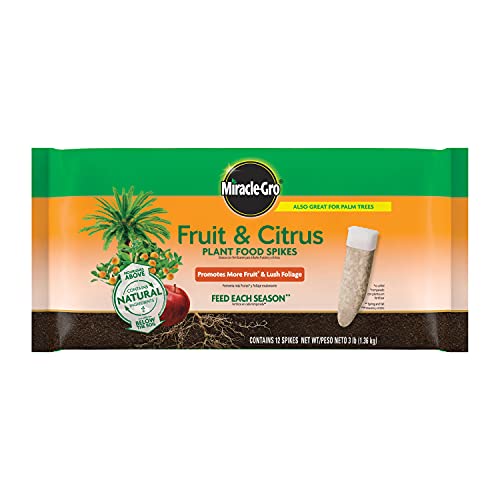
    Miracle-Gro Fruit & Citrus Plant Food Spikes, 12 Spikes, 3 lb.
    Miracle-Gro Fruit & Citrus Plant Food Spikes, 12 Spikes, 3 lb.

    FORMULATED FOR CITRUS AND FRUIT TREES: Use these citrus fertilizer spikes on apple, orange, lemon, lime, and avocado trees; this formula is also great for feeding palm trees

    VIEW LATEST PRICE

    As an affiliate, we earn on qualifying purchases.

    Farmer's Secret Fruit Tree Booster Fertilizer (8oz) - Super Concentrated and Phosphorus Rich - Formulated for All Fruit Trees Including Peach, Banana, and Apple
    Farmer's Secret Fruit Tree Booster Fertilizer (8oz) - Super Concentrated and Phosphorus Rich - Formulated for All Fruit Trees Including Peach, Banana, and Apple

    Let our professionally formulated plant food help your fruit tree grow healthy, strong AND abundantly producing

    VIEW LATEST PRICE

    As an affiliate, we earn on qualifying purchases.

    Proper Care and Maintenance

    Cultivating your peach tree with meticulous care ensures healthy growth and fruiting.

    • Watering: Provide consistent moisture, especially during dry spells. Aim for about 1 to 2 inches of water per week.
    • Fertilizing: Use a balanced fertilizer during early spring, applying it according to the package instructions. This promotes vigorous growth and fruit production.
    • Pruning: Prune your tree during dormancy, typically in late winter. Remove dead or crowded branches to improve air circulation and light penetration.
    • Mulching: Apply mulch around the base to retain soil moisture and regulate temperature, while also reducing weeds.
    • Pest and Disease Management: Monitor for signs of pests like aphids and spider mites. Use appropriate organic or chemical treatments when necessary.

    Pollination Considerations

    Pollination plays a critical role in fruit development for peach trees. Many peach varieties are self-pollinating, but planting multiple trees enhances yield.

    • Variety Selection: Choose trees proven to produce high-quality fruit in your climate. Varieties like ‘Elberta’ and ‘J.H. Hale’ thrive in many regions.
    • Cross-Pollination: If space allows, adding different varieties can increase the chance of cross-pollination, improving fruit set.
    • Pollinator Attraction: Planting flowering plants nearby can attract bees and other pollinators, boosting pollination success.
    MUST READ
    How Long Before a Pomegranate Tree Bears Fruit and What Factors Influence Timing

    By following these tips, your peach tree can thrive and produce delicious fruit sooner than expected.

    Conclusion

    Growing a peach tree is a rewarding journey that requires patience and care. Knowing that your tree will likely start bearing fruit in about 3 to 4 years can help you plan for those sweet rewards. Remember to provide the right conditions and care to encourage healthy growth and abundant fruit production.

    With the right practices in place and a little love for your tree, you’ll be enjoying delicious peaches before you know it. So keep nurturing your peach tree and get ready for the delightful harvest that awaits you!

    Frequently Asked Questions

    How long does it take for a newly planted peach tree to bear fruit?

    A newly planted peach tree typically takes about 3 to 4 years to produce fruit. However, some dwarf varieties may bear fruit within 2 to 3 years, depending on the tree type and growing conditions.

    What factors influence the fruit-bearing timeline of peach trees?

    The fruit-bearing timeline of peach trees depends on various factors, including tree variety, soil quality, sunlight exposure, watering consistency, and temperature. All these elements play a crucial role in how quickly a tree can produce fruit.

    What are the different types of peach trees?

    The main types of peach trees include clingstone, freestone, and donut peaches. Each type has unique characteristics, but they all require similar care for optimal fruit production.

    How can I ensure my peach tree produces fruit?

    To encourage fruit production, provide consistent watering, balanced fertilization, proper pruning, mulching for moisture retention, and effective pest management. Planting multiple trees can also enhance pollination and yield.

    Are peach trees self-pollinating?

    Many peach tree varieties are self-pollinating, meaning they can produce fruit with just one tree. However, planting multiple trees can improve pollination and lead to a more abundant harvest.

    Share. Facebook Twitter Pinterest LinkedIn Tumblr Email
    martha jackson
    Martha Jackson

      Martha Jackson is an accomplished freelance writer and editor with a strong interest in gardening. With a degree in English from the University of California, Berkeley, Martha has over 15 years of experience writing for a variety of publications. She is passionate about making gardening accessible to all and is always seeking out new techniques and innovations.

      Related Posts

      How Long Until Avocado Trees Bear Fruit and Tips for Faster Growth at Home

      February 20, 2025

      What Yellow Fruit Grows on Trees and Their Delicious Health Benefits

      February 20, 2025

      How to Air Layer Fruit Trees: A Step-by-Step Guide for Successful Propagation

      February 20, 2025

      When Do Grapefruit Trees Produce Fruit and How to Maximize Your Harvest

      February 20, 2025

      What Is a Fast Growing Fruit Tree: Discover Quick-Yield Options for Your Garden

      February 20, 2025

      Do Cherry Blossom Trees Have Fruit? Discover the Truth About Their Edibility and Benefits

      February 20, 2025
      Leave A Reply Cancel Reply

      Affiliate Disclosure

      As an Amazon Associate I earn from qualifying purchases.

      Recommended Reading

      What is Fruiting Wood on a Fig Tree and How to Maximize Your Harvest

      How to Grow Grapefruit Trees in Denver, CO: High Altitude

      How to Grow Raspberries from Canes: Tips for Successful Planting and Care

      Mulberry Trees in a Pot in Wyoming (High Elevation Potted Growth)

      How to Protect Fruit Trees from Frost with Water: Effective Tips for Gardeners

      Do Peach Trees Also Make Nectarines? Exploring the Intriguing Connection

      What Month to Plant Fruit Trees: Timing Tips for a Successful Harvest

      Can I Prune Fruit Trees in Summer for Healthy Growth and Better Fruit Production?

      Growing Star Fruit Trees in San Antonio, TX: Water-Wise Tips

      Dormant Oil on Pomegranate Trees (Authority Defense Strategies)

      Fruit Tree Hub

      Fruit Tree Hub is a website dedicated to providing you everything you need to grow fruit trees successfully at in your own yard.

      Contact us at: [email protected]

      - AFFILIATE DISCLOSURE: As an Amazon Associate I earn from qualifying purchases.

      Latest Posts

      Can Olive Trees Grow in New Jersey? Garden State Growth Tips

      Can Star Fruit Trees Grow in Missouri? Expert Variety Guide

      How to Grow Jujube Trees in Las Vegas, NV: Desert Growth

      Mango Trees in Illinois: Indoor and Greenhouse Growth Secrets

      Growing Papaya Trees in Oklahoma: High Heat Resilience

      Tamarind Trees in a Pot in Ohio (Complete Maintenance Manual)

      Can Fig Trees Grow in Long Beach, CA? Coastal Salt Tips

      Plum Trees in District of Columbia (Urban Microclimate Tips)

      Categories
      • Almond Trees
      • Apple Trees
      • Apricot Trees
      • Best Fruit Trees
      • Blackberry
      • Cantaloupe
      • Cherry Trees
      • Crochet Ideas
      • Crochet Ideas for Beginners
      • Cucamelon
      • Easy Crochet Ideas
      • Easy Knitting Projects
      • Fig Trees
      • Grapefruit Trees
      • Grapes
      • Guava Trees
      • Honeydew
      • Jujube Trees
      • Kiwi
      • Knitting For Beginners
      • Knitting Ideas
      • Knitting Inspiration
      • Lemon Trees
      • Lime Trees
      • Loquat Trees
      • Mango Trees
      • Mulberry Trees
      • Nectarine Trees
      • Olive Trees
      • Orange Trees
      • Papaya Trees
      • Peach Trees
      • Pear Trees
      • Persimmon Trees
      • Planting
      • Plum Trees
      • Pomegranate Trees
      • Quince Trees
      • Raspberry
      • Reviews
      • Small Crochet Ideas
      • Star Fruit Trees
      • Summer Crochet Ideas
      • Tamarind Trees
      • Tangerine Trees
      • Tips and Advice
      • Tools
      • Uncategorized
      • Walnut Trees
      © 2026 Fruit Tree Hub
      • Home
      • About Us
      • Contact
      • Privacy Policy
      • Terms and Conditions
      • Disclaimer
      • Editorial Policy
      • Affiliate Disclosure

      Type above and press Enter to search. Press Esc to cancel.