

Ever wondered how long it takes for those tiny cucamelon seeds to burst into life? Picture this: you’ve carefully planted your cucamelon seeds, eagerly awaiting the moment they sprout. But days pass, and there’s no sign of life in the soil. How long should you wait before giving up hope?
In this article, we’ll explore the timeline of cucamelon seed germination. You’ll discover the key factors that influence their growth and learn valuable tips to ensure successful sprouting. By understanding the germination process, you’ll be equipped with the knowledge to nurture your cucamelon seeds effectively.
Key Takeaways
- Cucamelon seeds prefer warm soil temperatures for optimal germination.
- Adequate moisture is crucial but avoid waterlogging for successful cucamelon seed germination.
- Opt for high-quality seeds from reputable sources to ensure faster germination.
- Cucamelon seeds do not require light exposure during the germination stage.
- Maintain a consistent temperature between 75-85°F (24-29°C) and moist but well-draining soil for best results.
- Soak the seeds in water for 24 hours before planting to improve germination rates.
Understanding Cucamelon Seed Germination
When it comes to cucamelon seed germination, understanding the process can help you nurture your seeds effectively. Let’s delve into the factors that influence germination time and the ideal conditions for cucamelon sprouting.
Factors Influencing Germination Time
Germination time for cucamelon seeds can vary based on several key factors. The primary influences include:
- Temperature: Cucamelon seeds prefer warm soil temperatures for optimal germination. Ideally, keep the soil consistently warm to speed up the sprouting process.
- Moisture Levels: Adequate moisture is crucial for cucamelon seeds to germinate. Ensure the soil remains moist but not waterlogged to support successful sprouting.
- Seed Quality: The quality of the seeds plays a significant role in how quickly they germinate. Opt for high-quality cucamelon seeds from reputable sources for better and faster results.
- Light Exposure: While some seeds require light to germinate, cucamelon seeds do not need light during this stage.
Ideal Conditions for Cucamelon Germination
Creating optimal conditions is vital for successful cucamelon seed germination. Here are some tips to ensure your seeds sprout efficiently:
- Warmth: Maintain a consistent temperature between 75-85°F (24-29°C) for best results.
- Moisture: Keep the soil consistently moist but not waterlogged throughout the germination period.
- Soil Quality: Plant cucamelon seeds in well-draining soil rich in organic matter to promote healthy growth.
- Planting Depth: Sow the seeds about 1 inch deep in the soil and cover them lightly with a thin layer of compost or vermiculite.
Steps to Germinate Cucamelon Seeds
To successfully germinate cucamelon seeds, you need to follow specific steps that ensure optimal conditions for sprouting. Here’s what you should do:
Recommended Products

EASIER SEED STARTING: Our Burpee SuperSeed tray with 36 flexible pop-out cells is designed to simplify indoor seed starting for all your favorite vegetables, flowers and herbs. Just add seed starting mix, seeds, water and light to get growing! Rows are labeled alphanumerically for seedling identification with included Plant-o-Gram diagram. Tray dimensions: 11.5" x 10-3/8" x 2-1/4"
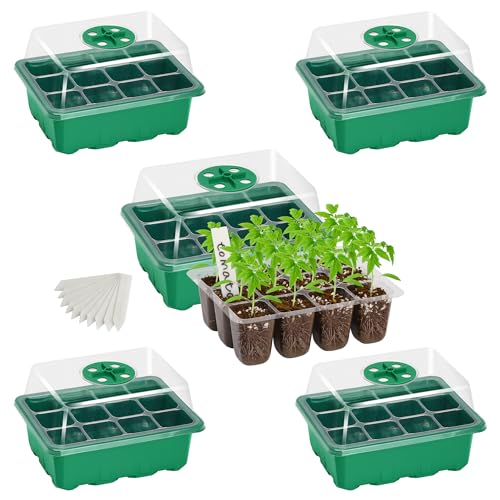
【Keep an eye on your plant】: The only design in the market- High quality clear plastic trays of this seed grow kit make it easier to observe your plants without interrupting the process.

【Value Package】The kit contain 4 pcs base trays, 4 pcs seed trays with 12 cells in each, 4 pcs humidity lids with dome, and 50 pcs peat pellets, not need soil to fill the cells, help you keep clean and tidy when planting, and creates a moist and warm environment needed for seed germination.
Preparing the Seeds
When preparing cucamelon seeds for germination, it’s essential to create an environment that supports their growth. Here’s how you can prepare the seeds effectively:
- Seed Selection: Choose high-quality cucamelon seeds from a reputable source to increase the likelihood of successful germination.
- Seed Treatment: Before sowing, consider soaking the seeds in water for 24 hours to help soften the seed coat and improve germination rates.
- Drying Process: After soaking, allow the seeds to dry on a paper towel briefly before planting them to prevent mold formation.
- Storage: Store any leftover seeds in a cool, dry place away from direct sunlight to maintain their viability for future use.
Sowing Techniques
Once your cucamelon seeds are prepared, it’s time to sow them using proper techniques that promote successful germination. Follow these steps when sowing your cucamelon seeds:
- Container Selection: Choose a suitable container with drainage holes at the bottom to avoid waterlogging, which can hinder seed germination.
- Soil Preparation: Use well-draining soil rich in organic matter for planting cucamelon seeds. Ensure the soil is moist but not waterlogged before sowing.
- Planting Depth: Plant each seed about 1/2 inch deep in the soil and cover them lightly with additional soil for adequate protection and moisture retention.
- Watering Regimen: Water the planted seeds gently after sowing to provide initial moisture without disturbing them excessively.
By following these steps carefully when preparing and sowing your cucamelon seeds, you’ll create an ideal environment for successful germination and healthy seedling growth.
Common Issues and Solutions During Germination
When it comes to cucamelon seed germination, there are a few common issues you might encounter. Here are some practical solutions to help you navigate through these challenges effectively.
Overwatering and Underwatering
Overwatering your cucamelon seeds can lead to rotting, while underwatering can cause the seeds to dry out and fail to sprout. To strike the right balance:
- Solution: Ensure that the soil is consistently moist but not waterlogged.
- Tip: Use a spray bottle for gentle watering until seedlings emerge.
Temperature Fluctuations
Fluctuating temperatures can slow down or even halt the germination process of cucamelon seeds. Here’s what you can do to mitigate this issue:
- Solution: Keep the growing environment at a stable temperature between 70-85°F (21-29°C).
- Tip: Consider using a heating mat to maintain optimal warmth for successful germination.
By being mindful of these common issues and implementing the suggested solutions, you’ll increase the likelihood of successful cucamelon seed germination.
Comparing Cucamelon Germination to Other Plants
When comparing cucamelon germination to other plants, it’s essential to understand the distinct characteristics that influence this process. Unlike some plants that require extended periods for germination, cucamelon seeds are known for their relatively quick sprouting time. While cucamelons typically take around 7-14 days to germinate under optimal conditions, certain plants may take significantly longer.
For instance:
- Cucumbers: Cucumber seeds usually germinate within 7-10 days, similar to cucamelons.
- Tomatoes: Tomato seeds can take anywhere from 5-10 days to germinate, slightly faster than cucamelons in some cases.
- Carrots: Carrot seeds have a longer germination period of about 14-21 days compared to cucamelons.
Understanding these differences can help you appreciate the unique pace at which different plant species go through the germination process. Each plant has its own requirements and timelines for successful sprouting, making it crucial to tailor your care and attention accordingly.
Recommended Products

Beautiful – Large premium packet of Cucamelon (Melothria scabra) seeds. Also known as Mexican Sour Gherkin, cucamelon is a unique, vining plant that produces small, cucumber-like fruits with a tangy, citrusy flavor. Perfect for pickling, salads, or snacking, these little fruits are a fun addition to any garden. Minimum of 200 mg per packet (about 65 seeds).
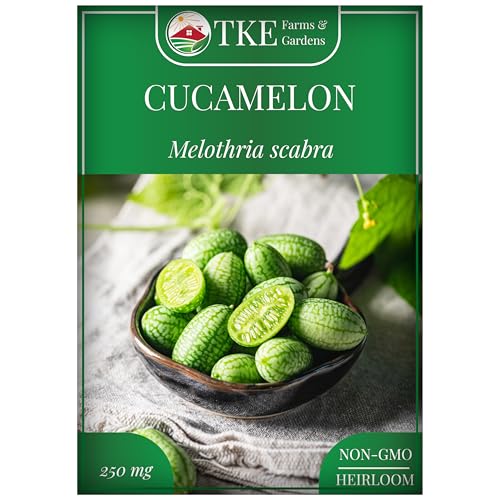
EASY TO GROW - INSTRUCTIONS INCLUDED: Perfect for both beginners and experienced gardeners, these cucamelon seeds are easy to grow. With straightforward instructions, you’ll cultivate a lush crop of bite-sized fruits—great for snacking straight off the vine or adding a twist to dishes.

Cucamelon Appearance: Cucamelons look like miniature watermelons or tiny cucumbers, typically growing to about the size of a grape. They have a green skin with faint stripes and a small white or yellow tip at the end.
Conclusion
You now have a better understanding of the germination process for cucamelon seeds. By recognizing the distinct germination times compared to other plants, you can adjust your care methods accordingly. Remember that each plant species has its own pace for sprouting, and providing tailored attention is key to successful germination. Follow the outlined guidelines to create optimal conditions for your cucamelon seeds and watch as they flourish in their unique timing. Happy gardening!
Frequently Asked Questions
What is the importance of understanding cucamelon seed germination?
Understanding cucamelon seed germination is crucial for successful cultivation as it helps in creating optimal conditions for sprouting.
What factors influence cucamelon seed germination?
Factors like temperature, moisture, soil quality, and sunlight play a significant role in influencing the germination process of cucamelon seeds.
How can I create ideal conditions for cucamelon seed sprouting?
To create ideal conditions, ensure proper soil moisture, warmth (around 70-80°F), adequate sunlight, and well-draining soil for successful cucamelon seed sprouting.
How do I prepare and sow cucamelon seeds?
Prepare by soaking seeds overnight and sow them about an inch deep in well-draining soil or starting pots to kickstart the germination process.
How does the cucamelon germination time compare to other plants like cucumbers and tomatoes?
Cucamelons have a unique pace of germination compared to other plants. They typically sprout faster than cucumbers but slower than tomatoes. Understanding these differences aids in tailored care for each plant’s needs.
