

Have you ever wondered how long it takes for an orange tree to start producing those sweet, juicy fruits? If you’ve planted one or are thinking about it, you’re not alone. Many gardening enthusiasts dream of enjoying homegrown oranges but often find themselves impatiently waiting for their trees to bear fruit.
Understanding the timeline for fruit production can help set your expectations and guide your care routine. This article will walk you through the factors that influence how long it takes for orange trees to mature and start yielding fruit. You’ll gain insights that can help you nurture your tree effectively and enjoy the fruits of your labor sooner.
Key Takeaways
- Fruit-Bearing Timeline: Orange trees generally take 3 to 5 years to start producing fruit, depending on the variety and growing conditions.
- Varietal Impact: Different orange varieties have specific timelines; for example, Valencia oranges bear fruit in 3-4 years, while Navel oranges take 4-5 years.
- Essential Growing Conditions: Adequate sunlight, soil quality, consistent watering, and proper fertilization are crucial to encourage healthy growth and fruit production.
- Growth Stages: Orange trees progress through distinct stages: Seedling (1-2 years), Young Tree (2-4 years), and Mature Tree (4-5 years), each requiring specific care to facilitate fruiting.
- Common Pitfalls: Avoid overwatering and poor soil quality, as they can significantly delay fruit production and harm the tree’s health.
- Nurturing Your Tree: Regular monitoring and care during each growth stage, including appropriate fertilization and pest management, lead to a more fruitful harvest.
Factors Influencing Fruit Bearing
Orange trees take varying times to bear fruit based on several influencing factors. Understanding these factors helps you cultivate your tree effectively for a fruitful harvest.
Recommended Products

FOR USE ON: Use Citrus-tone organic fertilizer for all citrus trees, including lemon, lime, orange, Meyer Lemon Trees as well as for avocado & nut trees

Let our professionally formulated plant food help your citrus tree grow healthy, strong AND abundantly producing
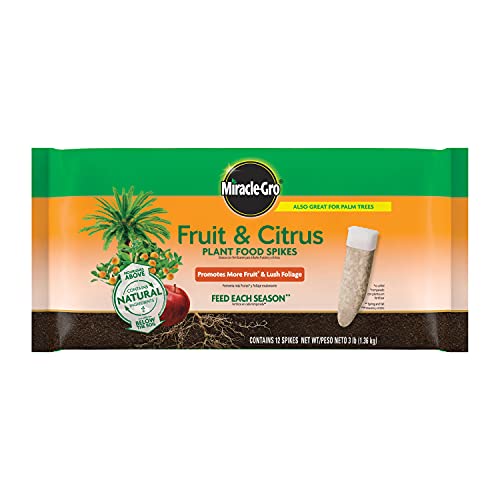
FORMULATED FOR CITRUS AND FRUIT TREES: Use these citrus fertilizer spikes on apple, orange, lemon, lime, and avocado trees; this formula is also great for feeding palm trees
Tree Variety
Different varieties of orange trees produce fruit at different rates. For instance:
- Valencia oranges typically start bearing fruit in 3-4 years.
- Navel oranges usually produce fruit within 4-5 years.
- Blood oranges may take 3-5 years to yield fruit.
Choosing the right variety for your climate and preferences can make a significant impact on how quickly you’ll enjoy the fruits of your labor.
Growing Conditions
The growing conditions of your orange tree play a crucial role in its fruit-bearing timeline. Key factors include:
- Soil Type: Well-draining, sandy loam soils enhance growth and fruiting. Tests can identify pH and nutrient levels for optimization.
- Sunlight: Orange trees need full sun, about 8-10 hours daily, to thrive. Insufficient sunlight may delay fruiting.
- Watering: Consistent watering, especially during dry spells, supports healthy growth. Over-watering could lead to root rot, while under-watering can stress the tree.
- Fertilization: Balanced fertilizers provide essential nutrients. Use a slow-release fertilizer during the growing season for optimal results.
By managing these growing conditions, you can help your orange tree reach its fruit-bearing potential faster.
Growth Stages of an Orange Tree
Understanding the growth stages of an orange tree helps you gauge when to expect fruit. Each stage plays a crucial role in the tree’s development and overall health.
Seedling Stage
During the seedling stage, which lasts about 1 to 2 years, your orange tree focuses on establishing roots and leaves. You’ll notice the tree growing leaves, improving its photosynthesis ability. Provide consistent watering, around once a week, and ensure it receives full sunlight for at least 6 to 8 hours daily. Avoid over-fertilizing; a light, balanced fertilizer every few months supports healthy growth without stress.
Young Tree Stage
The young tree stage spans from 2 to 4 years. At this point, your tree grows taller, branching out as it continues developing a robust root system. Expect flowering during the second or third year. Maintain soil moisture and provide nutrients. A monthly fertilization routine encourages healthy foliage, which supports future fruiting. Pruning helps shape the tree—remove any dead or crossed branches to promote airflow and sunlight exposure.
Mature Tree Stage
The mature tree stage begins around 4 to 5 years old, when your tree starts producing fruit. Depending on the variety, you might see flowers and fruit in the same year. Once fruiting starts, ensure your tree gets adequate water, ideally 1 to 2 inches weekly. Fertilizing every 6 to 8 weeks supports optimal growth and fruit quality. Regularly check for pests and diseases, which can hinder production. Proper care during this stage can lead to an abundant harvest for years to come.
Average Time to Bear Fruit
Orange trees typically take 3 to 5 years to produce fruit after planting. Several factors can influence the exact timing.
General Timeline
Most orange trees follow a predictable growth pattern. You’ll notice three distinct stages:
- Seedling Stage (1 to 2 years): Focus on root and leaf establishment. Ensure consistent watering and full sunlight.
- Young Tree Stage (2 to 4 years): Growth accelerates, and the tree may begin to flower. Provide monthly fertilization and occasional pruning.
- Mature Tree Stage (4 to 5 years): Fruit production starts. Maintain adequate watering, regular fertilization, and watch for pests.
By understanding these stages, you can better gauge when to expect your first oranges.
Varietal Differences
Different orange tree varieties impact the timeline for fruiting. Here are some common types:
- Navel Orange: Bears fruit in about 3 to 4 years. Known for its sweet flavor and easy peeling.
- Valencia Orange: Takes around 4 to 5 years. Often used for juicing due to its juicy content.
- Blood Orange: Fruits in approximately 3 to 4 years. Recognizable for its unique color and tart taste.
Considering these varietal differences helps you select the best type for your garden, aligning with your goals for fruit production.
Common Mistakes to Avoid
Gardening can be rewarding, but mistakes can delay your orange tree’s fruit production. Here are some common pitfalls to avoid.
Recommended Products

Kindly NOTE: This soil tester can not be applied to test pH value of any other liquid. If the soil is too dry the indicator will not move, and water it before testing.

KNOW BEFORE YOU GROW | Grow the healthiest, sustainable lawn and garden with the most accurate and easy to use professional soil test kit on the market

Accurate Soil pH Testing: Dewildetradingco Soil pH Test Strips offer measurements of soil pH levels (pH 3.5-9). As an essential tool for every gardener and grower, these test strips help determine the optimal pH for various plants, such as outdoor plants, indoor plants, gardens, grass lawns, fruit trees, flowers, vegetables, and forest shrubs.
Overwatering
Overwatering your orange tree often leads to root rot and poor fruit production. This issue occurs when the soil remains saturated, denying roots of necessary oxygen. Water the tree only when the top inch of soil feels dry. During the growing season, about every 1 to 2 weeks works well, while reducing frequency during winter.
Poor Soil Quality
Poor soil quality inhibits growth and fruiting. If the soil lacks nutrients, it affects your tree’s health. Test your soil’s pH level, aiming for a slightly acidic to neutral range of 6.0 to 7.0. Amend the soil with organic matter, like compost, to enhance its drainage and nutrient content. Use a balanced fertilizer during the growing season to provide essential nutrients that support fruit production.
Conclusion
Growing an orange tree is a rewarding journey that requires patience and care. By understanding the timelines and factors that influence fruit production you can set realistic expectations and enjoy the process.
Whether you choose a Navel Valencia or Blood orange tree each variety brings its own unique timeline and charm. With the right conditions and proper care your tree will flourish and eventually reward you with delicious fruit.
So keep nurturing your tree and remember that each year brings you closer to that first juicy bite of homegrown goodness. Happy gardening!
Frequently Asked Questions
How long does it take for an orange tree to bear fruit?
Orange trees typically take 3 to 5 years to produce fruit, depending on the variety. Navel and Blood oranges may bear fruit in about 3 to 4 years, while Valencia oranges usually take around 4 to 5 years.
What factors affect fruit production in orange trees?
Several factors influence fruit production, including the orange tree variety, growing conditions, soil type, sunlight exposure, consistent watering, and proper fertilization.
How can I speed up the fruiting process of my orange tree?
To encourage quicker fruiting, ensure your orange tree receives adequate sunlight, regular watering, balanced fertilization, and proper pruning. Avoid overwatering and enhance soil quality to prevent root issues.
What are the growth stages of an orange tree?
An orange tree goes through three growth stages: seedling (1-2 years), young tree (2-4 years), and mature tree (4-5 years). Each stage requires specific care to support healthy growth and fruit production.
What common mistakes delay orange fruit production?
Common mistakes include overwatering, which can lead to root rot, and poor soil quality, which inhibits growth. Testing soil pH and using balanced fertilizers can help prevent these issues.
